How-to
Moving outdoor gear and firewood without carrying pests
Check outdoor furniture, toys and equipment for spongy moth egg masses before a move out of a quarantine area, and leave the firewood behind.
Satisfy+ Editorial · Published August 3, 2026 · 3 min read · 1 hr to do · Free
At a glance
- The pest
- Spongy moth, which feeds on over 300 kinds of trees and shrubs
- Who has to inspect
- Anyone moving out of a quarantine area to one that isn't
- What to check
- Everything that was stored outside
- Firewood
- Leave it, and buy it where you'll burn it
Spongy moth egg masses stick to patio chairs, grills, bikes and anything else left outside, and invasive insects hide in firewood. Most of these insects only travel a few miles on their own, but they can ride hundreds of miles on a load of firewood or yard gear. When you move out of a spongy moth quarantine area, inspect your outdoor household items before they go on the truck.
What you need
- A putty knife or stiff brush
- A bucket of hot, soapy water, or plastic bags
- The self-inspection checklist (PPQ Form 377), on the back of the spongy moth moving flyer
- A tarp, if the inspection can't wait until moving day
Steps
- 1
Find out if you're in a quarantine area
Look up your address on the U.S. map at YourMoveSpongyMothFree.com. If you don't live in a quarantine area, you can skip the inspection.
5 min
- 2
Plan when to inspect
Between April and August, do the inspection on moving day if you can. If you can't, protect the items until then by sealing them under a tarp or keeping them indoors or in a closed moving truck.
5 min
- 3
Inspect everything that was outside
Check every surface and crevice of patio furniture, lawn equipment, grills, toys, bikes, trailers, boats and vehicles. The checklist also names items such as ladders, doormats, trash cans, empty plant containers, swing sets, sleds, stored snow tires and house plants that spent the summer outdoors.
40 min
- 4
Scrape off any egg masses
Remove each egg mass with a putty knife, stiff brush or similar hand tool. Drop egg masses and any caterpillars or pupae into hot, soapy water, or seal them in a plastic bag and set it in the sun.
10 min
- 5
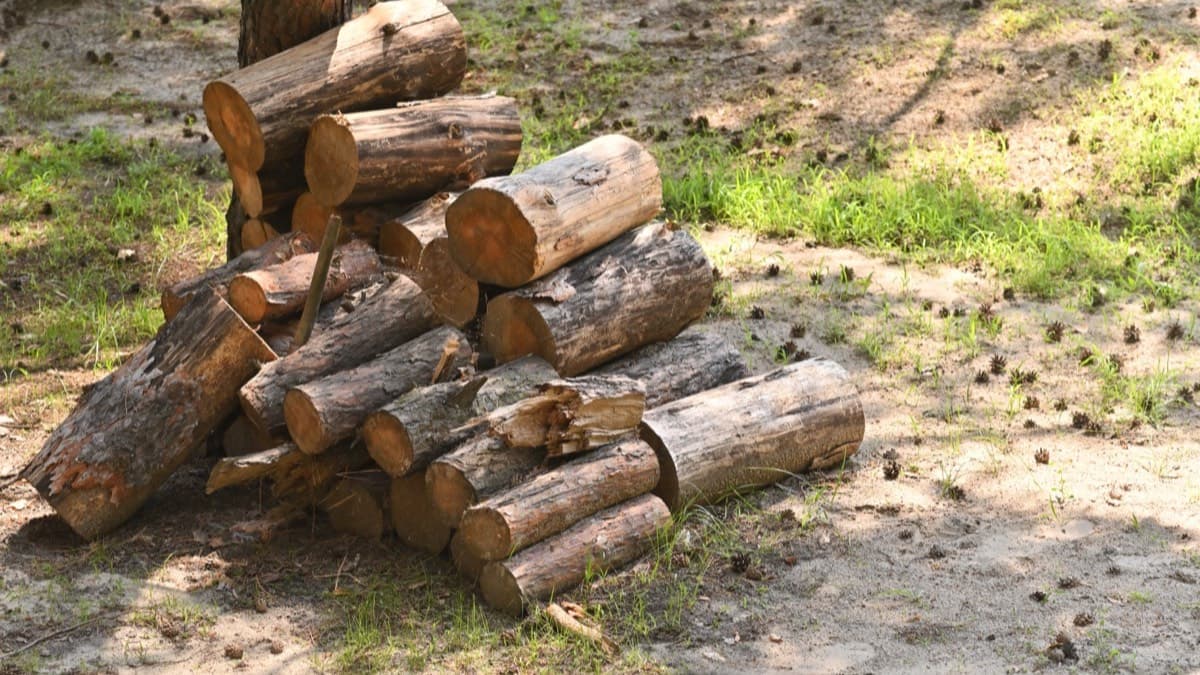
Leave the firewood behind
Many insect pests survive in firewood, some for more than three years. Use it up or give it away before the move, and buy firewood near the new house. If wood has to move, move only firewood that's certified, treated and labeled by USDA or a state.
5 min
- 6
Put the signed checklist in the moving vehicle
Tick each item as you go, sign the form and keep a copy in the vehicle carrying your things, in case a USDA or state official asks for it. If you aren't driving, give a copy to the driver. Afterward, keep it with your moving papers for at least 5 years.
5 min
Keep pests off the moving truck
- Check whether the house is in a spongy moth quarantine
- Inspect the outdoor gear for egg masses before the move
- Clear out the firewood before moving day
If someone else does the inspection
A qualified certified applicator can inspect your outdoor household items instead. Get a copy of the completed, signed checklist from them, and keep it in the vehicle during the move the same way.
FAQ
Do I have to inspect for spongy moth before I move?
Only if you're moving from a spongy moth quarantine area to an area outside it. The flyer's U.S. map at YourMoveSpongyMothFree.com shows the quarantine areas.
What do spongy moth egg masses look like?
The flyer shows photos of every life stage. Egg masses sit on the surfaces and in the crevices of things stored outside, such as a lawn mower deck or a padlock.
Can I take my firewood when I move?
It's best to leave it. Insect pests can survive in firewood for years. Buy firewood near the new house instead.
Sources
Checked October 20, 2026
- USDA Animal and Plant Health Inspection Service. It's the law: before moving, check for the spongy moth (Program Aid 2147, with PPQ Form 377) (2023)
- USDA National Invasive Species Information Center. Firewood (2026)
- Moving
- Pests
- Beginner
- Free
- DIY