How-to
Checking refrigerator and freezer temperatures
Put an appliance thermometer in the refrigerator and the freezer, set them to 40°F and 0°F, and check both once a week.
Satisfy+ Editorial · Published September 15, 2026 · 2 min read
At a glance
- Refrigerator
- 40°F (4°C) or colder
- Freezer
- 0°F (-18°C)
- Check
- Once a week
- Tool
- One appliance thermometer for each
Cold slows the growth of the bacteria that cause foodborne illness. Keep the refrigerator at 40°F or colder and the freezer at 0°F. An appliance thermometer is the best way to know those temperatures, and it's inexpensive.
What you need
- Two appliance thermometers, one for the refrigerator and one for the freezer
Steps
- 1
Place the thermometers where you'll see them
Put one at the front of the refrigerator and one at the front of the freezer, where each is easy to read.
2 min
- 2
Read them the next day
The refrigerator should read 40°F (4°C) or colder and the freezer 0°F (-18°C).
1 min
- 3
Adjust the setting if a reading is off
Turn the control colder or warmer, then read the thermometer again.
2 min
- 4
Leave room for the air to move
Don't pack the refrigerator or the freezer so tightly that the cold air can't circulate.
5 min
- 5
Check both once a week
Make it part of the weekly grocery run or the trash night.
1 min
Keep the refrigerator and freezer cold enough
- Get a thermometer for the refrigerator and the freezer
- Check the refrigerator and freezer thermometers
Where food goes
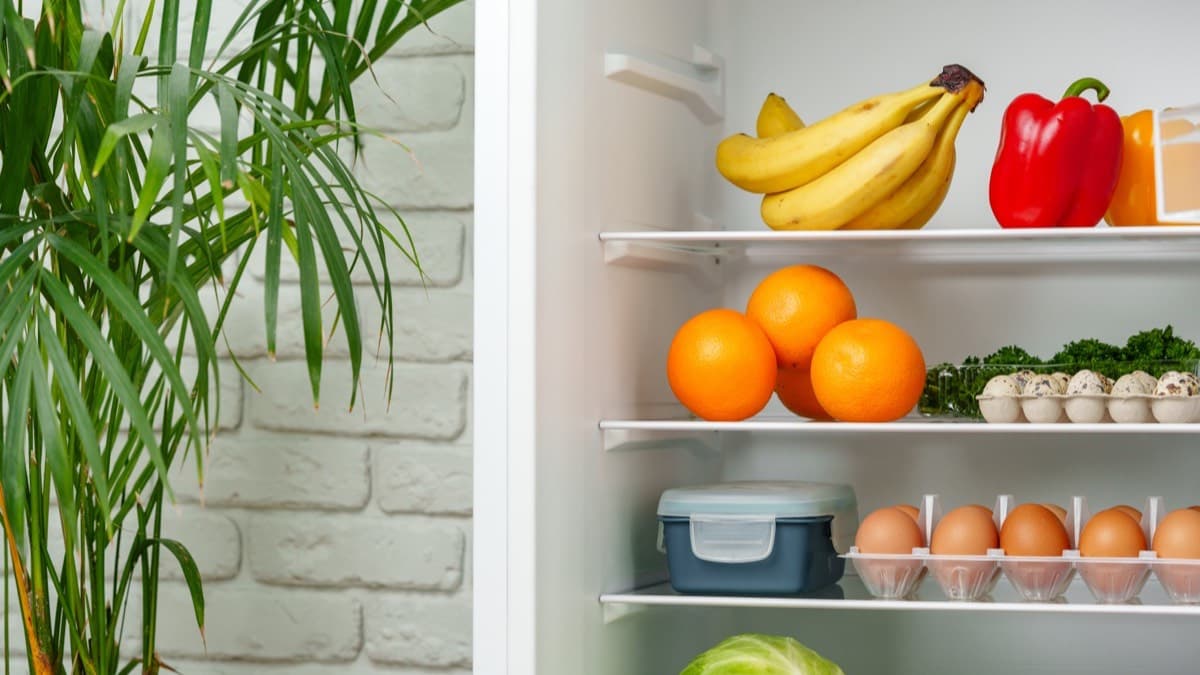
Store eggs in their carton on a shelf, not in the door, where the temperature is warmer. Keep refrigerated food covered, and check leftovers daily. Lunch meats and other ready-to-eat foods are best used soon, since Listeria can grow in them as they sit, more so above 40°F.
Getting food into the cold
Put groceries that need refrigeration away as soon as you get home. Don't leave meat, poultry, seafood, eggs, produce or leftovers at room temperature for more than two hours, or one hour when the air is above 90°F. Marinate food in the refrigerator, not on the counter, and boil a used marinade before serving it as a sauce. Wipe up spills right away, so drips from thawing meat don't reach other food.
A "use by" date is about flavor and quality, not safety. Infant formula and some baby foods are the exception and must be used by that date.
When the power goes out
Keep the doors shut. An unopened refrigerator keeps food cold for about four hours, and a full freezer holds its temperature for about 48 hours. When the power comes back, a freezer thermometer at 40°F or below means the frozen food is safe to refreeze. Throw out refrigerated perishables such as meat, fish, milk, eggs and leftovers that sat above 40°F for four hours or more. Food safety when the power goes out covers the rest.
FAQ
What temperature should a refrigerator be?
40°F (4°C) or colder.
What temperature should a freezer be?
0°F (-18°C).
Is food with freezer burn safe to eat?
Yes. Freezer burn affects quality, not safety.
Sources
Checked October 19, 2026
- U.S. Food and Drug Administration. Are you storing food safely? (2023)
- Appliances
- Owner
- Under $100
- Beginner
- Tenant
- DIY