Checklist
Electrical panel checks and the warning signs
Learn what the breakers in your panel do, give them their yearly and monthly checks, and know which outlet, switch and appliance problems need an electrician.
Satisfy+ Editorial · Published September 18, 2026 · 3 min read
At a glance
- Breakers
- Off and on three times, once a year
- GFCI and AFCI breakers
- Test monthly
- Whole-house check
- Every 6 months
- Call an electrician
- Warm outlets, shocks, loose plugs
The electrical panel, or the fuse box in an older house, protects each circuit in the house from carrying more current than its wiring can take. A few checks on it are yours to do. Give the panel its monthly and yearly checks, and walk the rest of the house every 6 months.
The panel
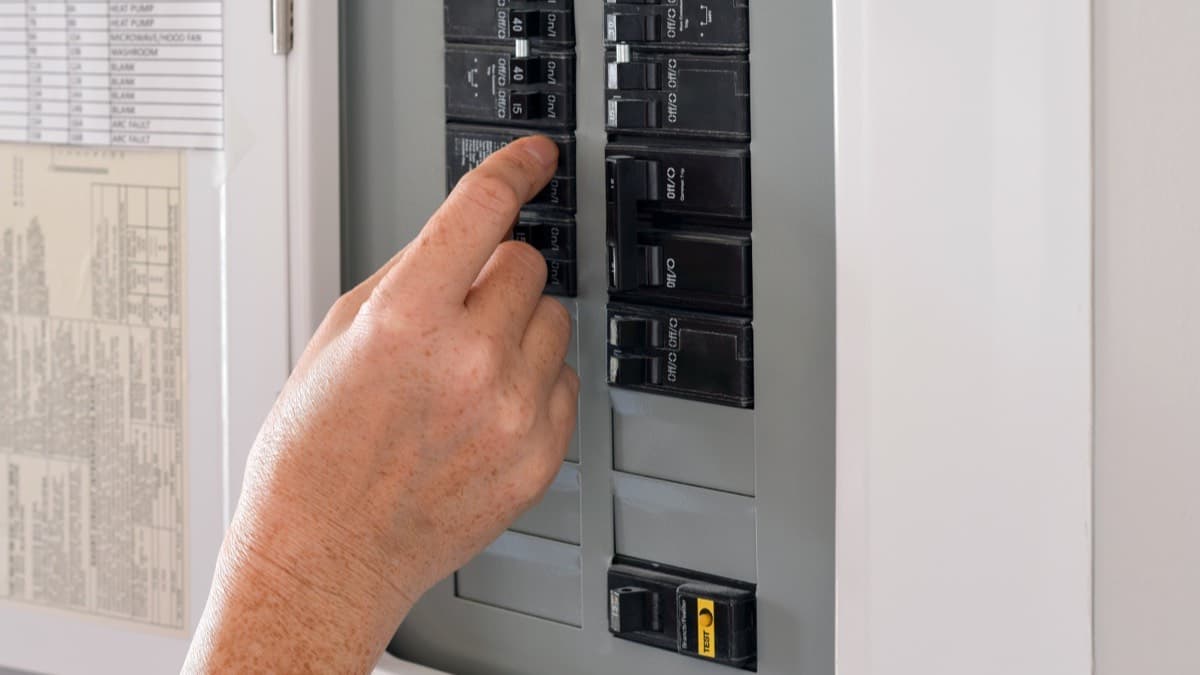
- Exercise the circuit breakers once a yearTurn off the freezer, the refrigerator and the air conditioner first, then flip each breaker off and on three times. A breaker that sits untouched for years can stick.
- Test GFCI breakers every monthPush the test button, and the handle should move to the middle or off position. To reset it, move the handle to off and then back to on.
- Test AFCI breakers every month the same wayAn AFCI shuts off a circuit when it detects arcing from a damaged wire or connection, which can otherwise start a fire unnoticed.
- Check that each fuse is the right size for its circuitA fuse that's too large lets too much current flow, and the wiring can overheat. If you don't know the right size, have an electrician label each one.
- Have an electrician replace any GFCI or AFCI breaker that fails its testThese breakers can stop working without any sign of failure, which is why the monthly test matters.
Check the electrical panel
- Turn each circuit breaker off and on three times
- Test each GFCI and AFCI breaker with its test button
- Walk the house for warm outlets and loose plugs
Outlets and switches
- Feel each outlet and switch plateAn unusually warm one can mean a loose connection that can start a fire. Stop using it and have an electrician check it. Some dimmer switches run warm in normal use.
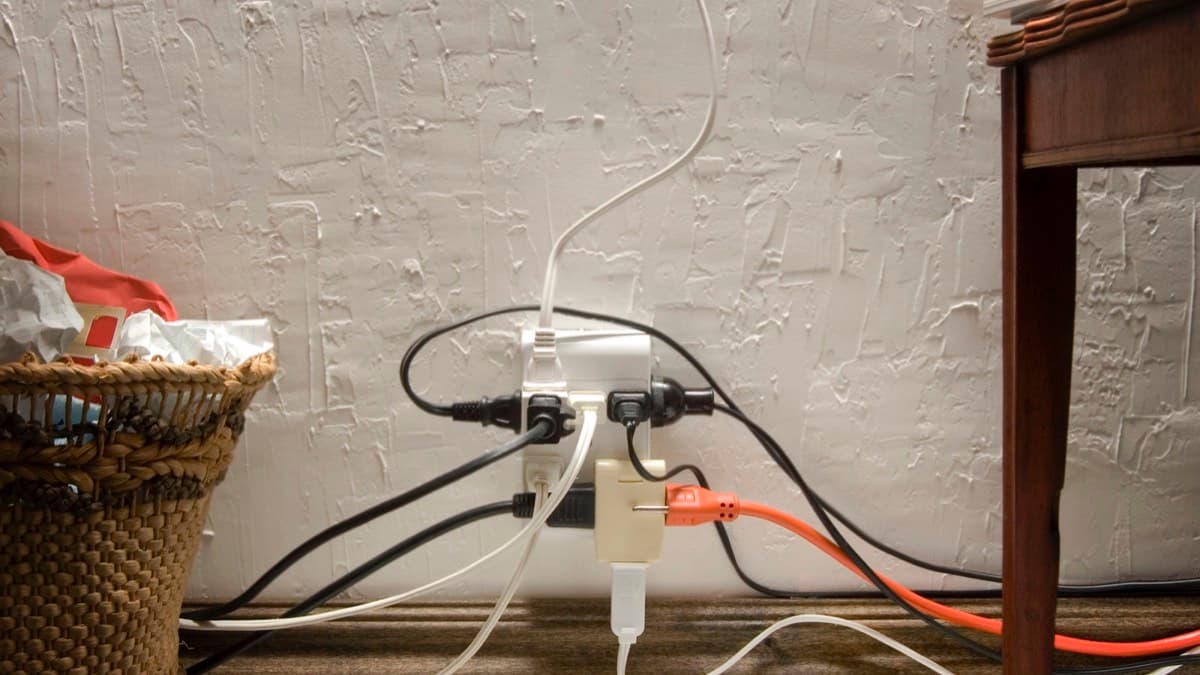
- Check that each plug fits snuglyA loose connection can't carry much current without getting hot. Have a loose outlet replaced.
- Note any outlet or switch that works only some of the timeIt can mean a loose wire or a worn switch, which can arc and overheat. Have an electrician look at it.
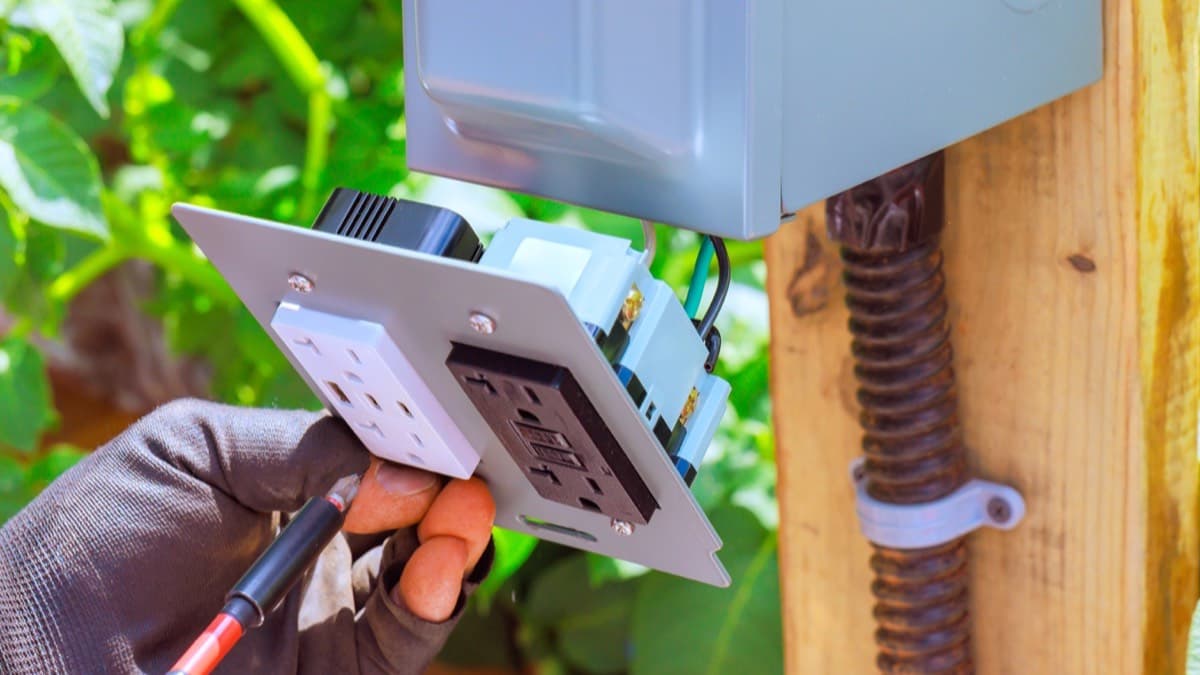
- Put a faceplate on every outlet and switchExposed wiring is a shock hazard.
Appliances and cords
- Treat even a slight shock from an appliance as an emergencyDon't touch the appliance again. Turn its power off at the circuit breaker, and have it checked before anyone uses it.
- Watch for smoke, sparks or odd noises from small appliancesHave the appliance repaired or get rid of it.
- Replace any cord that's frayed, cracked or damaged
- Unwrap any cord wound tightly around itselfA wrapped cord traps heat that a loose one lets escape.
- Feel extension cords in useA cord, plug or outlet that feels warm may be overloaded.
Leave any work inside the panel, from replacing a breaker to adding a circuit, to a qualified electrician. GFCI outlets and the monthly test covers the outlets in the kitchen, bathrooms and garage.
FAQ
Why turn circuit breakers off and on?
Breakers need exercising once a year so they don't stick. Turn off the freezer, refrigerator and air conditioner before you do it.
Is a warm outlet dangerous?
It can be. An unusually warm outlet can mean a loose connection that can start a fire, so stop using it and have an electrician check it.
What should I do if an appliance gives me a shock?
Don't touch it again, turn its power off at the breaker and have it checked by an electrician.
Sources
Checked October 19, 2026
- U.S. Consumer Product Safety Commission. Home electrical safety checklist (Publication 513) (2008)
- Owner
- Beginner
- Electrical
- Tenant
- Free
- Either