Explainer
Dwelling coverage and the cost to rebuild your house
Learn how the dwelling limit relates to the cost to rebuild your house rather than its market value, and when to check it again.
Satisfy+ Editorial · Published June 30, 2026 · 2 min read
Satisfy+ is not an insurance agent, broker or adjuster. Your policy's wording controls.
At a glance
- Dwelling coverage
- Pays to repair or rebuild the house after a covered loss
- The right yardstick
- The cost to rebuild, not the market value
- Extended replacement cost
- Pays above the limit, often 20% or more
- When to look again
- At each renewal and after any addition or remodel
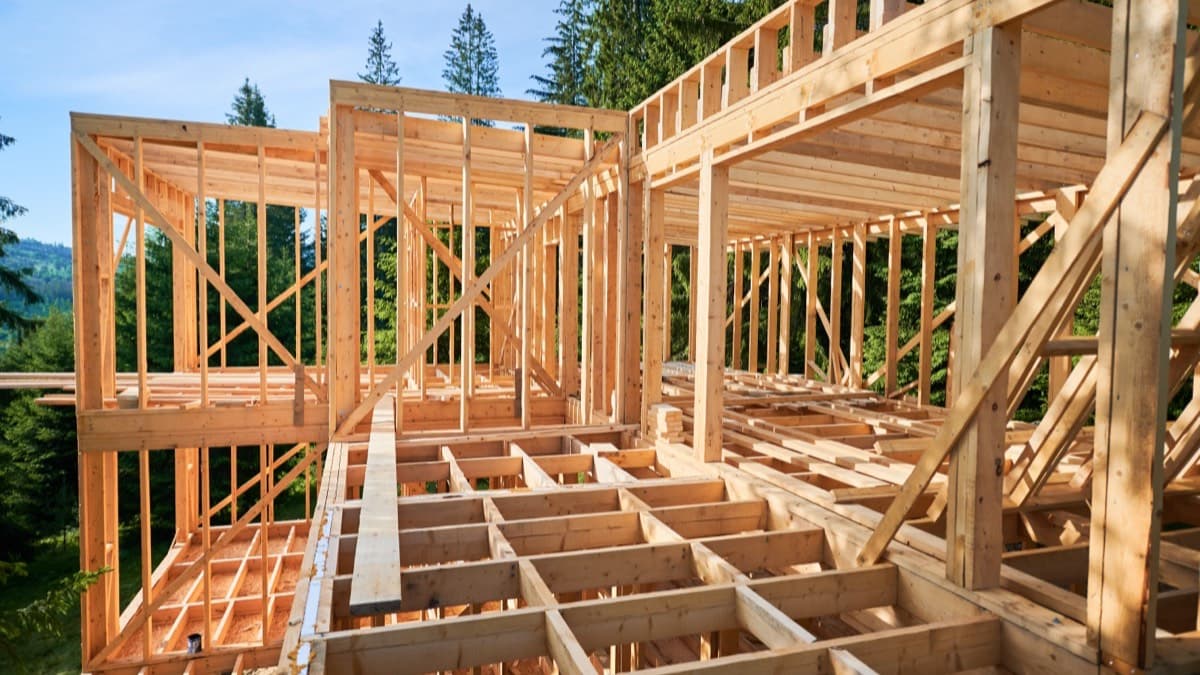
The dwelling line on your declarations page, often called Coverage A, is the most the policy pays to repair or rebuild the house after a covered loss. The number that matters for it is the cost to rebuild. The cost to replace your home and contents is one of the factors in your premium, and it's not the same as the home's market value. A house can sell for more or less than it would cost to build again.
Why rebuilding cost and market value differ
Market value includes the land, the location and what buyers will pay this year. Rebuilding cost covers the labor, materials, permits and debris removal for the house itself. Rising labor and materials costs are among the forces pushing premiums up, and when they rise, a dwelling limit set a few years ago can fall behind.
Extended replacement cost
Extended replacement cost pays a set percentage above the dwelling limit when rebuilding costs more than the limit, often 20% or more, depending on the insurer. Guaranteed replacement cost pays whatever it costs to rebuild the house as it was. Your policy and declarations page show whether you have it and how much extra it pays. Ask your insurer or agent if you can't find it.
Keeping the limit current
Review your coverage amounts each year, so the dwelling limit keeps up with the full cost to replace the home and your belongings. Three changes are worth a call to your insurer when they happen:
- An addition or a finished basement. More square feet means more house to rebuild.
- A major remodel. A new kitchen or new bathrooms raise what it costs to put the house back as it was.
- A rise in local building costs. Labor and materials drive the cost to rebuild.
An annotated example
What to do next
Find Coverage A on your declarations page and write it down with the house's square footage. Ask your insurer or agent how the figure was estimated and whether the policy includes extended replacement cost. Keep records of any addition or remodel with the policy, so the next renewal starts from the house you have now.
Check the dwelling limit at renewal
- Check the dwelling limit at renewal
- Call the insurer after an addition or major remodel
FAQ
Should the dwelling limit equal what I paid for the house?
Not necessarily. The cost to replace your home is not the same as its market value, and the purchase price includes the land, which the dwelling limit doesn't rebuild.
Sources
Checked October 20, 2026
- National Association of Insurance Commissioners. A consumer's guide to home insurance (2022)
- Insurance Information Institute (insurer-funded). Insurance for your house and personal possessions (2026)
- National Association of Insurance Commissioners. Understanding your homeowners or renter's policy (2024)
- Owner
- Insurance cost
- Renovating