Explainer
Fake check scams and the money you're asked to send back
Learn how a fake check scam works, the stories that come with one, and why money in your account doesn't prove a check is good.
Satisfy+ Editorial · Updated September 22, 2026 · 2 min read
This is general education, not individual financial, investment or tax advice.
At a glance
- How it starts
- A check for more than you're owed
- The ask
- Send part of the money back, or on to someone else
- The catch
- It can take weeks to learn a check is fake
- Who repays
- You, once the bank finds out
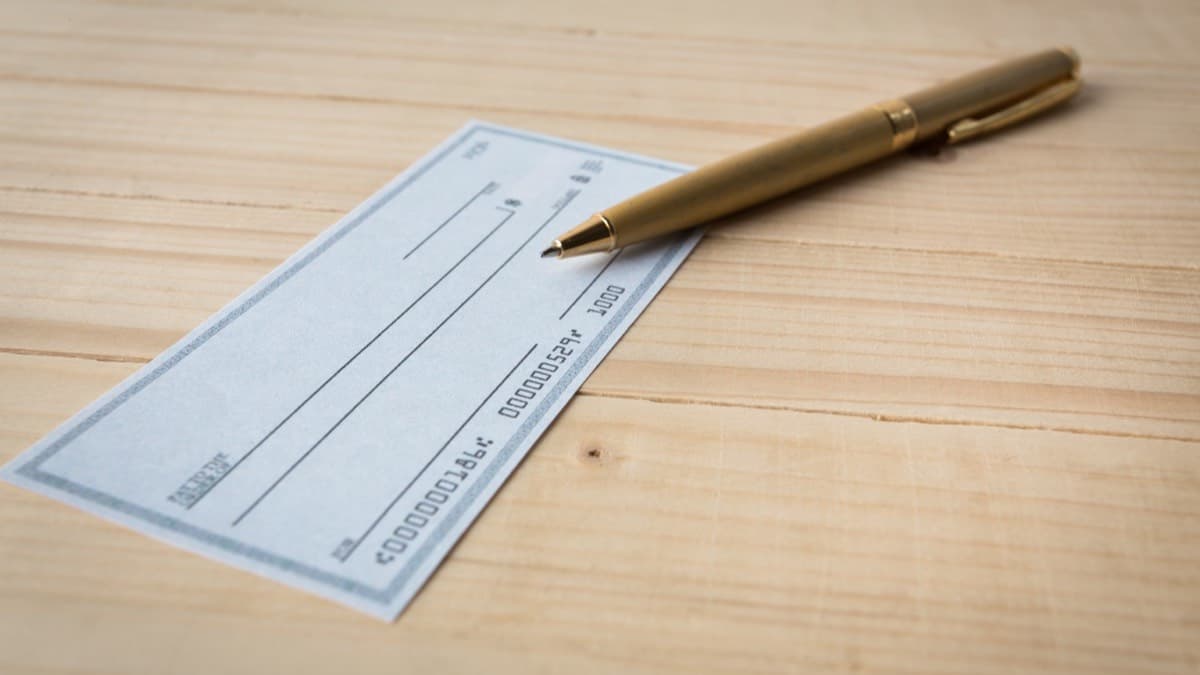
A fake check scam starts with a check from someone you don't know, for more than they owe you. Then comes a request to send some of the money back or pass it on to someone else. The check bounces later, after your money is gone.
How the scam works
The scammer always has a story for why you can't keep the whole amount. The extra might be for taxes, fees or supplies, or it might be an overpayment they want refunded. You deposit the check, the money appears in your account, and you send the part they asked for by wire, gift card, money order or cryptocurrency.
The stories that come with it
- A mystery shopper job. You're hired to rate a store that sells gift cards or money orders, deposit a check, and wire part of the money to someone else.
- A personal assistant job. Your new boss tells you to use the check to buy gift cards and send the PINs.
- Car wrap ads. You're paid to put an ad on your car, deposit a check, and pay installers who don't exist.
- A prize. You've won a sweepstakes, but you have to pay taxes or shipping before the prize arrives.
- An overpayment. A buyer for something you're selling sends too much and asks you to refund the difference.
Why the money shows up first
Deposited money can show up in your account before the bank knows whether the check is real. It can take weeks for a bank to find out a check is fake. Fake checks can look real even to bank employees. Some carry the name of a real bank, and some draw on the account of a person whose identity was stolen.
Who pays
By the time the bank finds out the check is fake, the scammer usually has your money. You're the one left to repay the bank.
An annotated example
What to do next
Set a rule for your household: no one uses money from a check to buy gift cards or money orders, buy cryptocurrency, or wire money to anyone who asks. Turn down a check for more than the agreed price. Ignore any prize that asks you to pay before you collect it. Rely on money from a check only when you know and trust the person who sent it.
Keep fake checks from costing your household
- Talk through fake check warning signs at home
- Set a rule against sending back money from a check
FAQ
If the money is in my account, is the check good?
Not necessarily. The money can appear before the bank knows whether the check is real, and finding out can take weeks.
Who pays if a check I deposited turns out to be fake?
You're usually left to repay the bank for the money that came back out.
Sources
Checked October 19, 2026
- Federal Trade Commission. How to spot, avoid, and report fake check scams (2025)
- Scam