Explainer
Scams aimed at homeowners
Learn the signs of deed fraud, fake utility shutoff calls and mortgage relief scams, and the check you can make for each.
Satisfy+ Editorial · Published September 9, 2026 · 2 min read
This is general education, not individual financial, investment or tax advice.
At a glance
- Deed fraud
- A forged transfer filed with the recorder's office
- Utility calls
- Pay now or the power goes off
- Mortgage relief
- Fees up front, and a request for your deed
- Check
- The county's property records, and the number on your bill
Three scams go after a house directly, through the deed, the utility bill and the mortgage.
Deed fraud
In deed fraud, someone forges the owner's signature, or uses a fake ID, to transfer the property's title to themselves, then files the paperwork with the local recorder's office. On the record, it looks like a voluntary transfer.
Scammers often pick properties that are empty or have no mortgage. The signs are property tax bills that stop arriving, mail for someone else at your address, and unexpected notices from banks or government offices. Check the county's online tax and property records from time to time, and ask the county whether it offers fraud alerts for property documents.
Fake utility calls
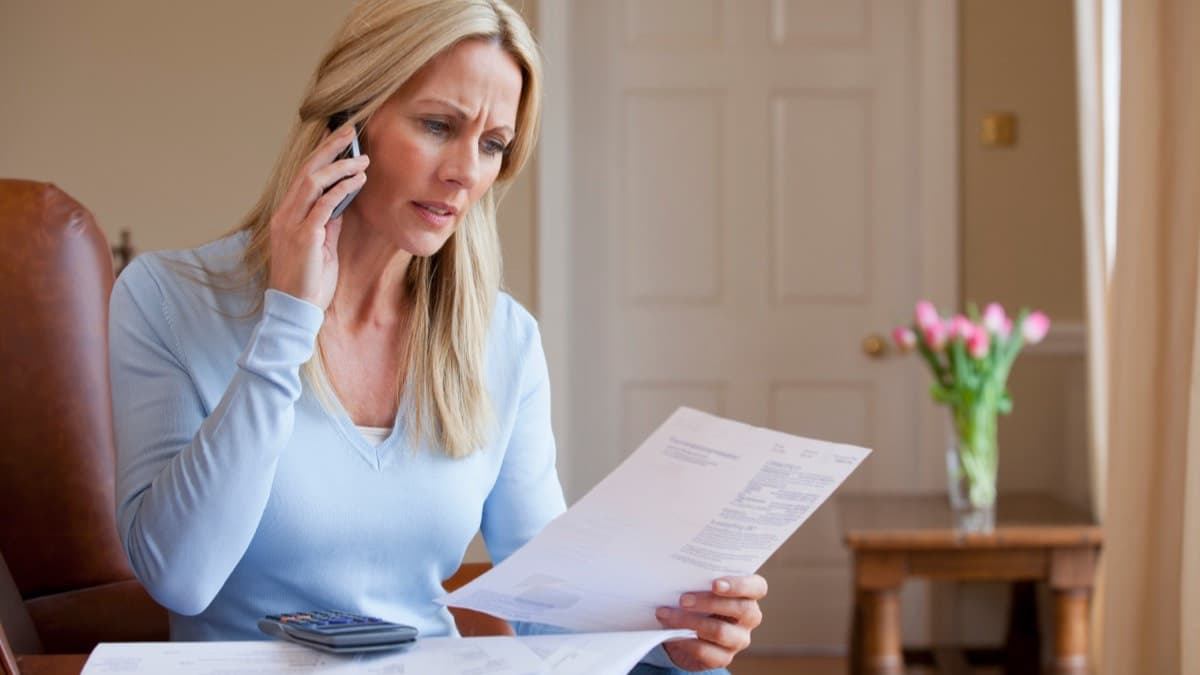
The caller says your electricity or water will be shut off unless you pay a past due bill. If you know you already paid, stop there. The other signs:
- A demand for one payment method. The caller wants gift cards, cash reload cards, a wire transfer or cryptocurrency. Legitimate companies don't demand one specific method of payment.
- A request for banking details. Never give banking information by email or phone.
The check is a call you place yourself. Contact the utility directly, using the number on your paper bill or on the company's website, and not any number the caller gave you.
Mortgage relief offers
Offers to rescue a struggling mortgage are another way in. These are the signs:
- Payment up front. Scammers demand payment before you get any services.
- Promises that aren't kept. Scammers promise to change your mortgage or save your home, then don't deliver.
- Don't talk to your lender. Scammers typically tell you not to contact your lender.
- Pay us instead. They may tell you to make your mortgage payments directly to them.
- Sign over the deed. Scammers may try to talk you into transferring the deed to your home to them.
Your mortgage servicer or lender is the place to start, and a certified housing counselor gives free help.
An annotated example
What to do next
Look up your property in the county's online records and check that the owner shown is you, and ask whether the county offers property fraud alerts. Save your utility's customer service number from a paper bill in your phone, so you can check a threatening call against it. Keep the mortgage servicer's number with your loan papers.
Check the house's records for fraud
- Check the county's online property and tax records
- Ask the county whether it offers property fraud alerts
- Save the utility's number from a paper bill in your phone
FAQ
How do I check whether someone has filed a deed on my house?
Check the county's online tax and property records from time to time, and ask whether the county sends fraud alerts for property documents.
Will the electric company ask me to pay with a gift card?
No. Legitimate companies don't demand one specific method of payment.
Sources
Checked October 20, 2026
- National Association of Realtors (industry trade group). Consumer guide: understanding and protecting yourself from title fraud (2025)
- Federal Trade Commission. Empower yourself against utility scams (2022)
- Federal Trade Commission. Mortgage relief scams (2022)
- Owner
- Scam
- Mortgage
- Paid off