Guide
Why home improvement projects get off track
Learn the common ways a home project drifts off budget and schedule, and the paperwork that keeps each one in check.
Satisfy+ Editorial · Published October 12, 2026 · 2 min read
At a glance
- Scope
- Every material named
- Changes
- A written change order
- Payments
- Tied to finished stages
- Dates
- Start and finish in the contract
A home project usually drifts off budget or schedule where something was left out of the paperwork. A written, signed contract with the details in it gives you and the contractor the same record of what was agreed. Both of you sign and date it before the work begins, and each keeps a copy.
A scope that left the details open
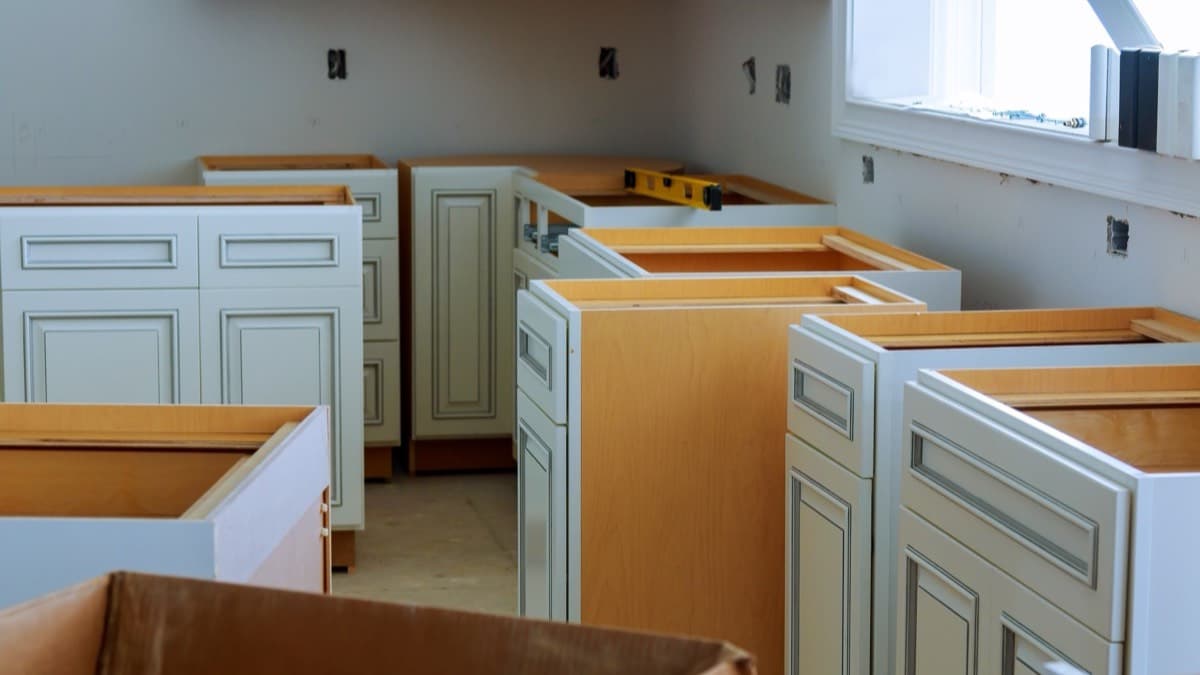
"Install kitchen cabinets" can mean a dozen different cabinets at a dozen prices. A better line names the maker and the brand, with the design drawings attached. The contract should also set out the type of work, such as demolition, installation, finishing and removal, and any subcontractors. Before you sign, check that no blank spaces are left in the contract, and that any promise made in conversation is written into it.
A schedule nobody wrote down
The contract states when the job begins and when it ends, with milestone dates for each stage on a large job and deadlines for the permits, the materials and the inspections. It also names who pulls the building permits. A written timeline gives you and the contractor a date to check progress against.
Changes agreed by conversation
Small changes, such as moving an outlet or upgrading a faucet, add up in the price and the finish date. The contract should say how changes are handled, through written change orders, and both of you sign and date each one. Keep them with the project paperwork.
Payments ahead of the work
Don't pay the full cost up front. A contractor who asks for the whole amount before starting, or who will take only cash, is showing a common warning sign of a scam. The contract includes a payment schedule, written in before the work begins.
An annotated example
What to do next
Before the job starts, read the contract for the materials, the payment schedule and the dates. During the job, put each change in a written change order before the work on it begins. Keep a weekly record of photos and notes, so you and the contractor work from the same facts. Store the contract, each change order and every receipt together in the project's folder.
Set up the project to stay on track
- List the materials by maker and brand in the contract
- Put each change in a written change order
- Schedule each payment after a finished stage
FAQ
Is some drift normal?
Most projects have some changes. A change order puts each one in writing, signed by both of you.
Sources
Checked October 20, 2026
- Federal Emergency Management Agency. Checklist to ask your general contractor (2023)
- Better Business Bureau. What to include in your home improvement contract (2026)
- Federal Trade Commission. How to avoid a home improvement scam (2022)
- Hire
- Renovating