Checklist
Saving energy as a renter
Lower a rental's energy bill with the parts you control, from the thermostat and the ceiling fan to drafts at the doors, standby power and the lights.
Satisfy+ Editorial · Published September 2, 2026 · 2 min read
At a glance
- Thermostat
- Back seven to ten degrees for eight hours
- Ceiling fan
- Reverse it in winter, on the lowest speed
- Drafts
- Weatherstripping, caulk and draft stoppers
- Standby power
- A power strip you can switch off
You don't have to own your home to lower the monthly utility bill. The thermostat, the fans, the drafts at the doors and the things you plug in are all yours to work on.
Heating and cooling
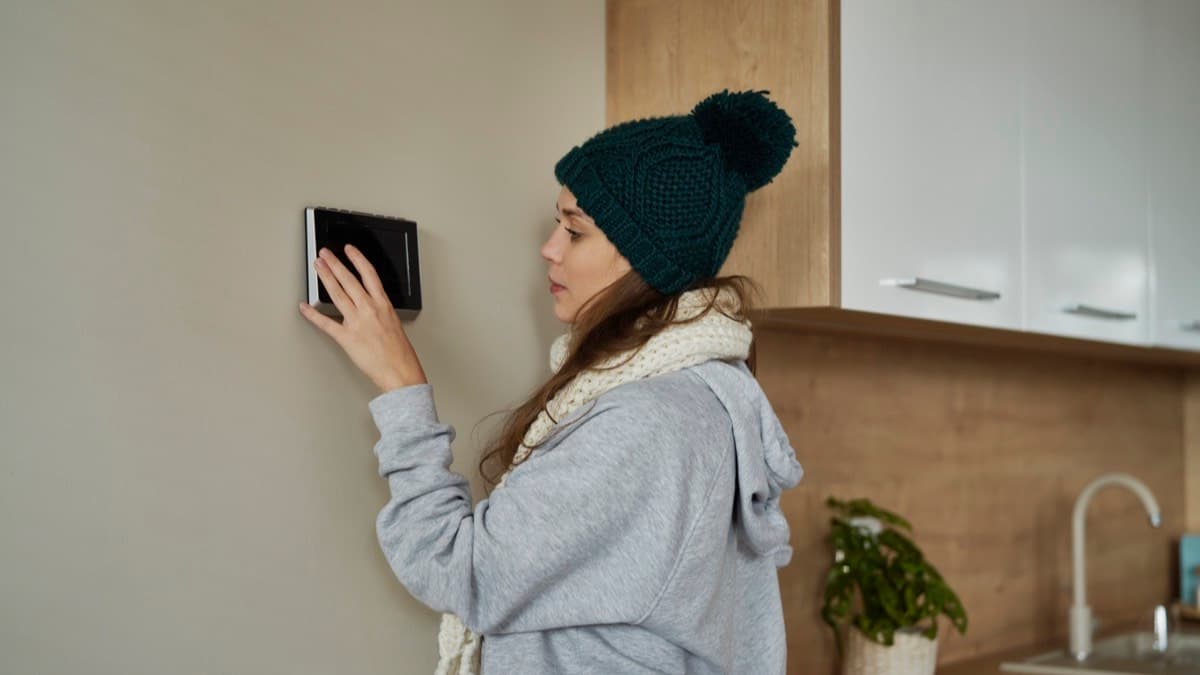
- Set the thermostat backSetting the temperature back 7 to 10 degrees from its normal setting for 8 hours a day can save as much as 10% on heating. A programmable thermostat does it on a schedule, and a manual one works if you adjust it yourself.
- Use the ceiling fan in both seasonsIn summer, a ceiling fan's breeze can let you raise the thermostat several degrees without losing comfort. In winter, reverse the fan's direction and run it on its lowest speed, so it pulls cool air up and pushes warm air down. Used this way, a fan can save up to 15% on winter energy bills and up to 30% in summer.
- Use the window coveringsClose blinds, curtains or shades against direct sun in summer, and use them to keep warmth in during winter.
- Turn the water heater downSetting it from 140 to 120 degrees saves money and reduces the risk of scalding. Someone with a weakened immune system or a chronic respiratory disease may need it kept at 140.
- Keep the air filter cleanClean or replace it regularly, so the air flows properly and the system runs efficiently. In a rental, ask the landlord which filter the system takes.
Drafts
Air leaks let hot air in during summer and cold air in during winter, and they make heating and cooling less efficient.
- Draft stoppers at the doorsA draft stopper at the base of a door keeps air from coming in or going out.
- Weatherstripping on windows and doorsApply it around the parts that move, where the window sash or the door meets the frame.
- Caulk around windows and doorsCaulking is an inexpensive project you can do yourself. Air sealing around heating and cooling ducts is best done by a professional.
Plugs and lights
- Cut standby powerMany electronics use energy even when they're turned off. A power strip or smart plug lets you cut the power completely.
- Turn off the lightsTurn lights off when they're not in use. Timers and dimmers help too.
- Know what LEDs saveLED bulbs use up to 80% less energy than incandescents and last much longer. The average household can save more than $200 a year with LED lighting.
Cut your energy use as a renter
- Set the thermostat back while you're asleep or out
- Turn the ceiling fan to its winter direction
- Put draft stoppers at the base of drafty doors
- Plug the TV and computer into a switchable power strip
Your own bill
Reading your electric bill, line by line shows which charges move with what you use.
Sources
Checked October 19, 2026
- U.S. Department of Energy. Renters (2026)
- U.S. Department of Energy. 5 tips for energy-saving renters (2023)
- Tenant
- Budget