Guide
Mold and moisture in a rental you own
Act fast on a tenant's leak report, dry the area within 48 hours, fix the water source, decide who cleans up by the size of the patch and keep the house drier.
Satisfy+ Editorial · Published June 9, 2026 · 3 min read
At a glance
- The rule
- Fix the water, or the mold comes back
- Drying window
- 24 to 48 hours after a leak
- Patch size
- Under about 10 square feet is usually a cleanup job
- Humidity
- Below 60 percent, ideally 30 to 50
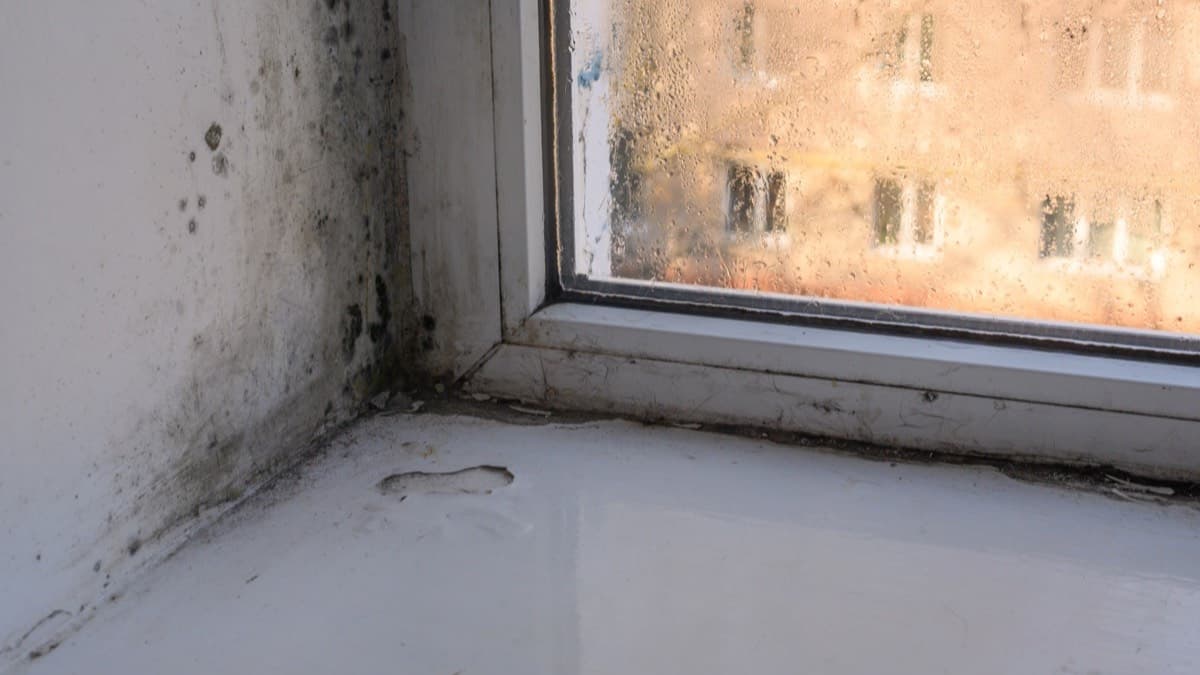
Mold needs moisture, so fix the water problem first. Clean up the mold but leave the leak, and the mold will most likely come back. Mold also damages what it grows on, and the longer it grows, the more damage it does. In a rental, the first sign often comes from a tenant, so a quick way to report leaks and damp matters as much as the fix.
When a tenant reports a leak
- Act quickly. Wet materials and areas dried within 24 to 48 hours usually don't grow mold.
- Find and fix the source. Repair the plumbing leak, roof leak or other water problem as soon as possible.
- Replace what can't be saved. Water-damaged wood, and absorbent materials such as ceiling tiles and carpet that have gone moldy, may have to be thrown out.
Deciding who cleans it up
- Under about 10 square feet. A patch smaller than roughly 3 feet by 3 feet can usually be cleaned with detergent and water, by someone wearing an N-95 respirator, gloves and goggles. Dry the surface completely, and don't paint or caulk over mold.
- More than 10 square feet, or a lot of water damage. A larger patch is a job for a professional with mold cleanup experience.
- Sewage or contaminated water. Bring in a professional with experience cleaning buildings damaged by contaminated water.
- Mold in the heating or cooling system. Don't run the system, since it could spread mold through the building.
Testing for mold usually isn't needed when mold can be seen. There are no federal limits for mold, so a sample can't show a building meets a standard, though surface sampling can check whether a cleanup worked.
Keeping the rental drier
- Keep indoor humidity below 60 percent, ideally 30 to 50 percent.
- Vent dryers and stoves to the outside, and make sure the bathroom has a fan or a window that opens.
- Keep air conditioner drip pans clean and drain lines flowing.
- Make sure the ground slopes away from the foundation, and keep the gutters cleaned and repaired.
- Insulate cold water pipes and other cold surfaces where condensation forms.
- Fix slow drains and leaking faucets quickly, since standing water also draws pests.
An annotated example
What to do next
Give tenants an easy way to report leaks and damp, and answer each report within a day or two. Between tenants, clean the air conditioner drip pan, check the grading around the foundation and insulate any pipes that sweat.
Keep moisture out of the rental
- Clean the rental's air conditioner drip pan and drain line
- Check that the ground slopes away from the foundation
- Insulate cold water pipes that sweat
FAQ
How fast should a landlord fix a leak to prevent mold?
Dry wet materials and areas within 24 to 48 hours, and fix the source as soon as possible. Mold usually won't grow if things are dry by then.
When does mold need a professional?
When it covers more than about 10 square feet, after a lot of water damage, when the water was sewage, or when the heating and cooling system is involved.
Should I test a rental for mold?
Usually not when mold can be seen. There are no federal limits for mold, but surface sampling can check whether a cleanup worked.
Sources
Checked October 20, 2026
- U.S. Environmental Protection Agency. A brief guide to mold, moisture and your home (2025)
- U.S. Environmental Protection Agency. Pest control: resources for housing managers (2026)
- Landlord
- Plumbing
- Mold