Checklist
ATV and off-highway vehicle safety for the family
Set the family's rules for ATVs and other off-highway vehicles, from youth models and passengers to helmets, paved roads and training.
Satisfy+ Editorial · Published July 9, 2026 · 2 min read
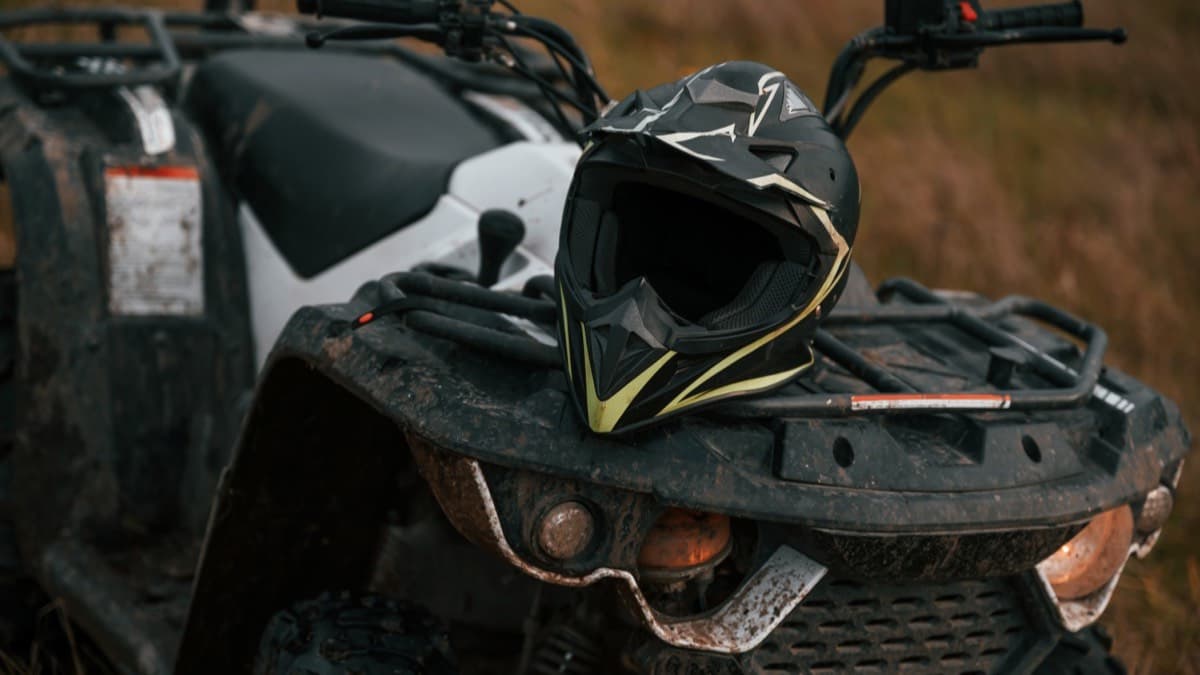
From 2018 through 2020, 2,448 people died in the U.S. in crashes involving off-highway vehicles, and nearly 300 of them were children under 16. ATVs accounted for more than two-thirds of those deaths.
The rider
- A youth model for every rider under 16Riders younger than 16 drive only age-appropriate youth models, never adult models.
- Hands-on training from a qualified instructor
- No alcohol before or while riding
The gear
- A helmet on every ride
- Eye protection
- Boots and gloves
- Long pants and a long-sleeved shirt
Set the family's ATV rules
- Check each rider under 16 is on a youth model
- Get a helmet and eye protection for each rider
- Book a hands-on ATV training course
- Check the ATV's model against the CPSC recall list
The ride
- No more riders than there are seatsMost ATVs are built for one rider.
- Off paved roadsStay off public roads too, except to cross where that's allowed.
ATVs and side-by-sides
An ATV has a straddle seat and handlebars. A recreational off-highway vehicle, often called a side-by-side, seats two or more people side by side, steers with a wheel and pedals, and can go faster than 30 mph. It comes with a rollover protective structure and seatbelts. A utility terrain vehicle is similar but tops out at 25 to 30 mph, has a larger cargo bed, and may not have the rollover structure or the seatbelts.
What the crash data shows
Deaths involving off-highway vehicles rose from 744 in 2019 to 990 in 2020, an increase of 33%. Of the 2,448 deaths from 2018 through 2020, 1,643 involved ATVs and 635 involved recreational off-highway vehicles. Among the children under 16 who died, 44% were under 12. Adults 55 and older made up 30% of all the deaths. The most common causes were overturning and collisions with another vehicle or with something fixed, such as a tree, and riders were often thrown from the vehicle.
From 2018 through 2022, emergency departments treated an estimated 504,400 off-highway vehicle injuries, about 100,900 a year. A follow-up study of 2022 injuries found:
- The vehicle overturned in 66% of injuries, and the rider was thrown off in 70%.
- 22% of the injured were passengers.
- The injured rider was wearing a helmet in only 41% of cases.
- 69% of injuries happened on flat ground, and 79% on dry ground.
Head and neck injuries were the most common, at 35%, followed by the arms at 27%. The most common diagnoses were fractures, at 29%, then bruises and scrapes, and internal organ injuries. About three in four of the injured were treated and released, and 21% were admitted to the hospital.
There have been 24 safety recalls of off-highway vehicles since January 2023. Check the model and the year against the CPSC recall list before the season starts, and before buying a used one.
FAQ
Can a child ride an adult ATV?
No. Riders younger than 16 should drive only age-appropriate youth models.
Can two people ride a single-seat ATV?
No. Never ride with more people than there are seats, and most ATVs have one.
Sources
Checked October 19, 2026
- U.S. Consumer Product Safety Commission. OHV and ATV safety information center (2026)
- U.S. Consumer Product Safety Commission. Report of deaths and injuries involving off-highway vehicles with more than two wheels (2024)
- U.S. Consumer Product Safety Commission. CPSC urges consumers to start summer with safety as off-highway vehicle deaths soar 33% (2024)