Checklist
Carbon monoxide and the car, in the garage and in the snow
Learn where it's safe to run a car's engine, how to keep exhaust out of the cabin, and what to do if you're stuck in snow with the engine on.
Satisfy+ Editorial · Published October 12, 2026 · 2 min read
At a glance
- Attached garage
- Never run the engine inside, even with the door open
- Exhaust system
- A mechanic's check once a year
- Open tailgate
- Open the vents or windows too
- Stuck in snow
- Clear the tailpipe and crack a window
Car exhaust contains carbon monoxide, a gas you can't see or smell. It builds up fast in an enclosed space, and it can also leak into the car through a damaged exhaust system. These checks keep it out of the air you and your passengers breathe.
In the garage
- Never run the engine in an attached garageThis applies even with the garage door open.
- Open a detached garage door firstOpen it before you start the engine, every time.
- Put a carbon monoxide detector near every sleeping areaUse battery-operated or battery backup detectors. Check the batteries each spring and fall when you change the clocks. A detector in the house warns you if fumes from the garage get inside.
- Never run a generator in the garageThis holds even with the garage doors and windows open. Run a generator outdoors, more than 20 feet from any window, door or vent.
The car itself
- Have the exhaust system checked once a yearA small leak in the exhaust can let carbon monoxide build up inside the car while you drive. Ask for the check at a regular service visit.
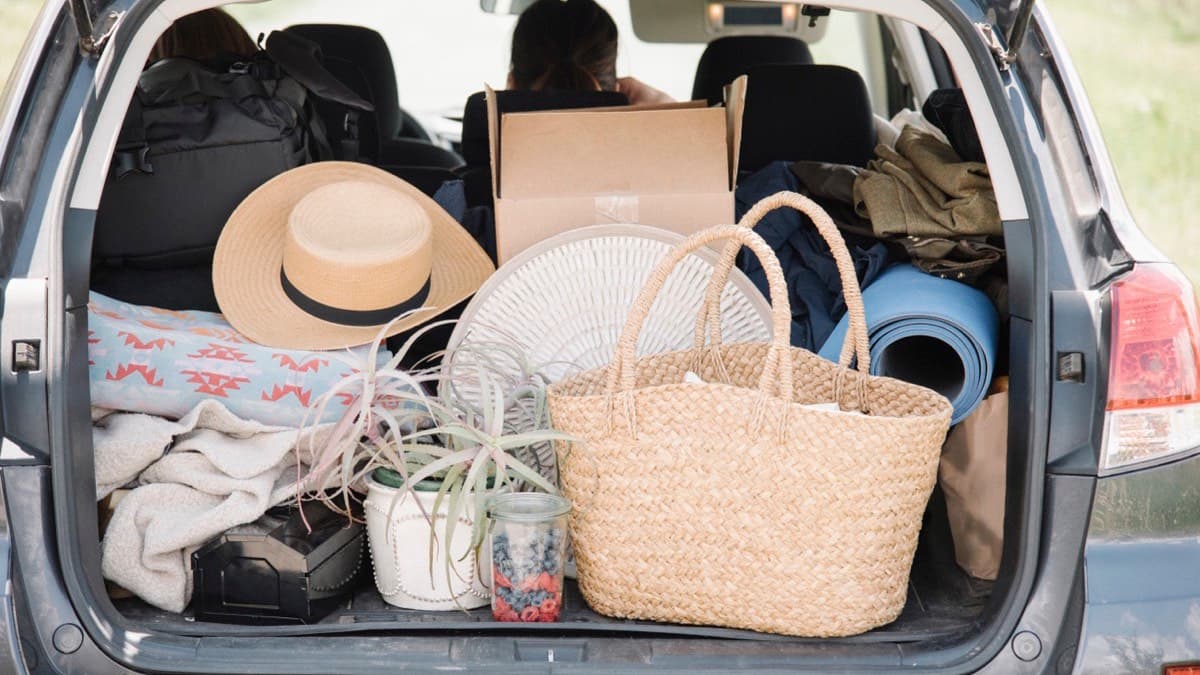
- Open the vents or windows when the tailgate is upDriving with only the tailgate or trunk open pulls exhaust into the car.
Stuck in the snow
- Stay in the carIn blowing snow and cold, it's easy to lose your way if you leave the car on foot.
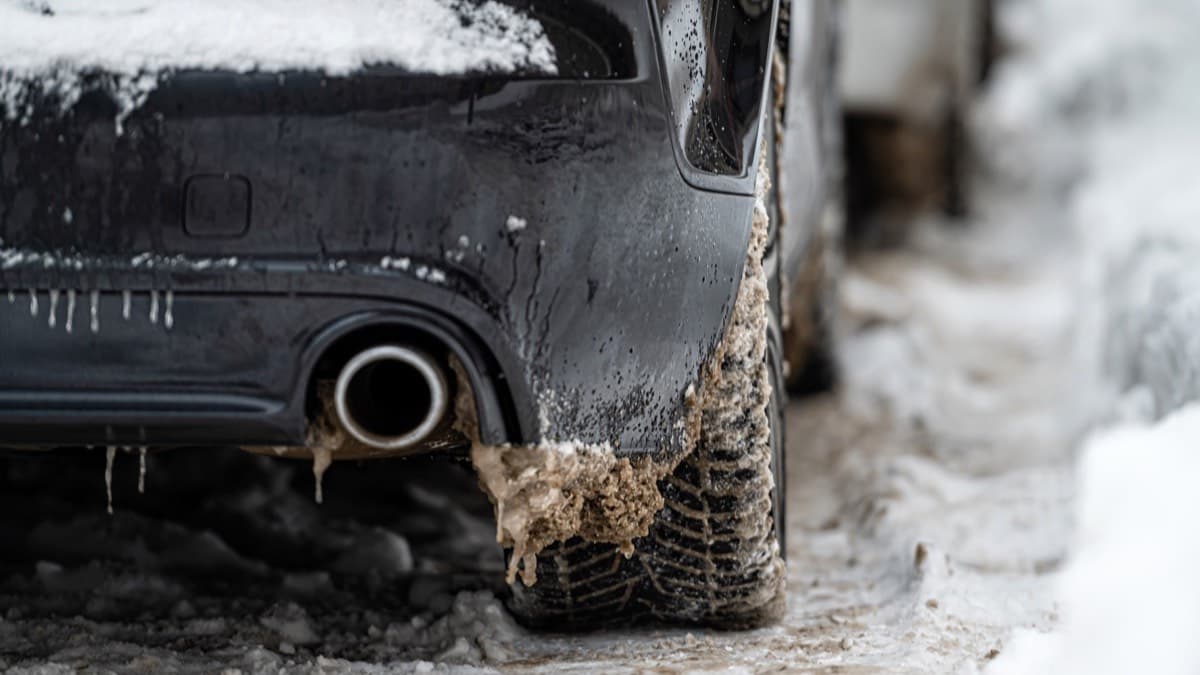
- Clear snow from the tailpipeA blocked tailpipe sends exhaust back into the car. Check it before you run the engine, and again each time you start it.
- Run the engine about ten minutes each hourOpen a window slightly for fresh air while it runs.
- Make the car easy to findAt night, turn on the dome light while the engine runs. Tie a bright cloth to the antenna or a door.
The symptoms
- Know what poisoning feels likeThe most common symptoms are headache, dizziness, weakness, upset stomach, vomiting, chest pain and confusion. They're often mistaken for the flu. Breathing in a lot of carbon monoxide can make you pass out, or kill you. Infants, older adults and people with heart disease, anemia or breathing problems get sick from it more easily.
- Get fresh air at the first signIf anyone in the car feels this way, turn the engine off, get everyone into fresh air and get medical help.
- Know that some people won't feel itA person who is asleep or has been drinking can die from carbon monoxide poisoning before having any symptoms.
Keep car exhaust out of the air you breathe
- Book a mechanic to check the exhaust system
- Put a snow brush in the car for clearing the tailpipe
Before the next storm
Keep a snow brush in the car, since it clears the tailpipe as well as the windows. A winter car kit lists the rest of what to carry.
Sources
Checked October 19, 2026
- Centers for Disease Control and Prevention. Carbon monoxide poisoning basics (2026)
- National Weather Service. What to do if you're caught in a winter storm (2026)
- Carbon monoxide
- Car