Guide
After a flood, drying out and what has to go
After a flood, wait until the house is declared safe, photograph everything, dry it within 24 to 48 hours, and throw away what can't be dried in time.
Satisfy+ Editorial · Published July 30, 2026 · 3 min read
At a glance
- Before going in
- Wait until professionals say it's safe
- First
- Photos, and a call to your insurer
- Dry
- Within 24 to 48 hours if you can
- Throw away
- Anything wet that can't be cleaned and dried in that time
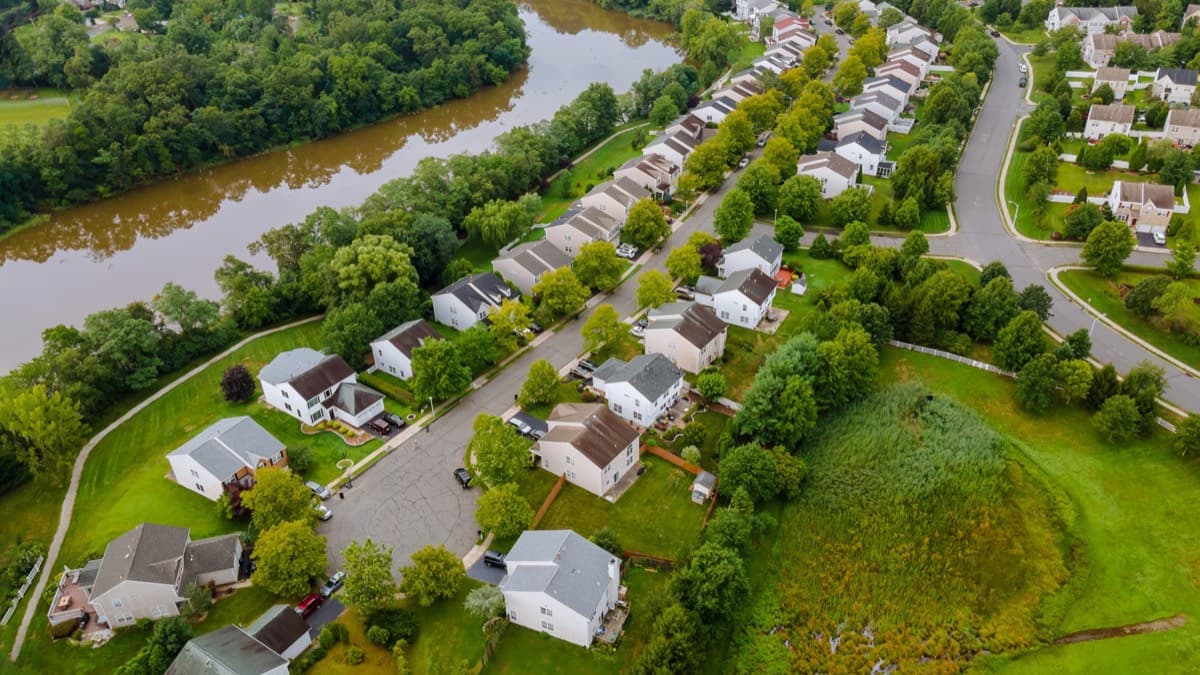
Floods are the most common natural disaster in the United States. After one, put safety first and speed second. Things that stay wet for more than two days usually grow mold, and floodwater may carry sewage, bacteria or chemicals.
Before you go back in
Wait to go back in until professionals tell you the house is safe, with no structural, electrical or other hazards. Check for loose power lines and gas leaks, make sure the electricity and gas are off, and look for sagging ceilings or floors. People with asthma or weakened immune systems should stay away from the cleanup, and children shouldn't take part in it.
Before any cleanup, contact your insurance company and take pictures of the house and your belongings.
What to wear
Wear at least an N95 respirator, goggles and protective gloves. Goggles with open vent holes won't keep out dust and small particles. Gloves can be non-latex, vinyl, nitrile or rubber, and moldy items shouldn't be touched bare-handed. Shower and change clothes when you leave the site.
Drying the house
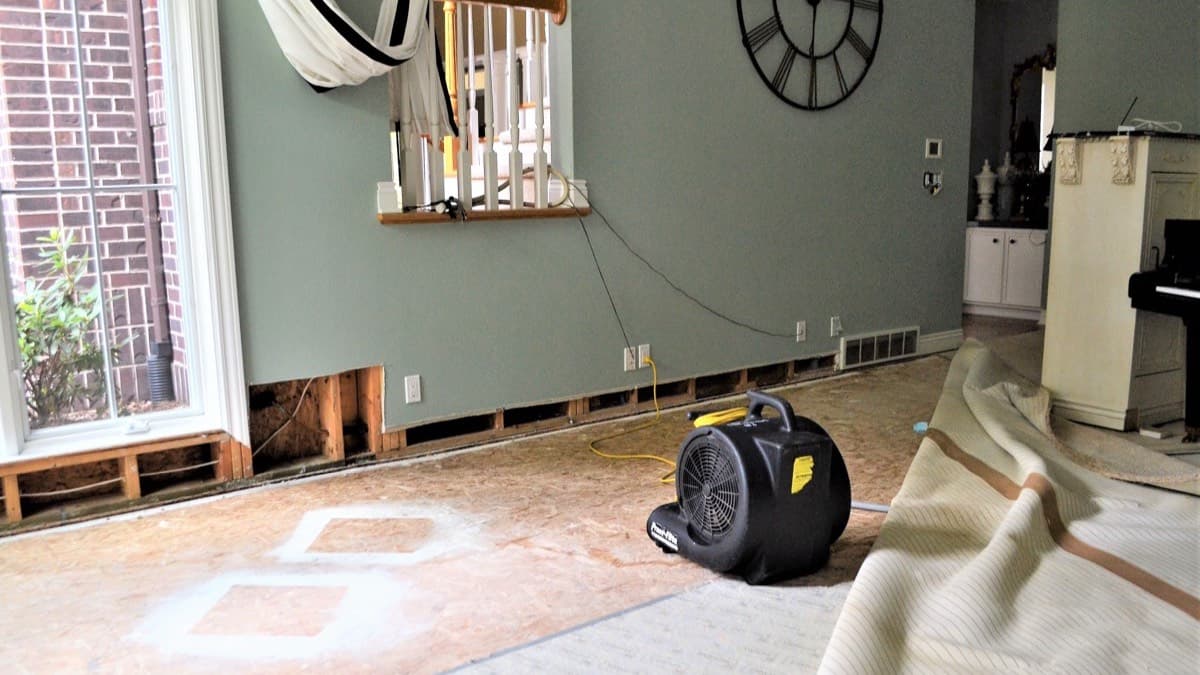
Drying the house and removing water-damaged items is the most important step in preventing mold. Work in this order:
- Get the standing water out. A wet vacuum works on floors, carpet and hard surfaces. If the water is several feet deep, removing it too fast can crack the walls and floor, so that job goes to a professional.
- Open everything. Open the doors, windows, closets, cabinets and vanity doors, so air reaches every area.
- Run fans and dehumidifiers once the electricity is safe. Skip the fans where mold has already started, since they can spread it.
- Clean with water and detergent, then dry right away. Never mix cleaning products, and never bleach with ammonia, which makes toxic vapors.
Everything has to be completely dry before walls and floors are refinished or replaced.
What has to go
Throw away anything that was wet with floodwater and can't be cleaned and dried completely within 24 to 48 hours. If the house couldn't be dried in that time, assume there's mold, which can hide under carpet and cushions or behind walls. Your city or county waste management office sets the rules for debris.
Some things need extra care:
- Vinyl floor tile. It may contain asbestos. Leave the tile in place, even if it's damaged, and hire an asbestos professional to deal with it.
- Lithium-ion batteries. Flooded ones, in e-bikes, scooters, mowers or solar backup systems, should come out of the house and garage because of the fire risk, and never go in regular trash.
- A flooded well. Don't turn on the pump, because of the shock risk, and don't drink or wash with the water until it's tested.
When to hand it off
A flood cleanup can be too difficult or dangerous to do yourself. Mold inspection and cleanup professionals are certified by groups such as NEHA, AIHA, IICRC and ACAC. Painting or caulking over mold won't stop it growing.
An annotated example
What to do next
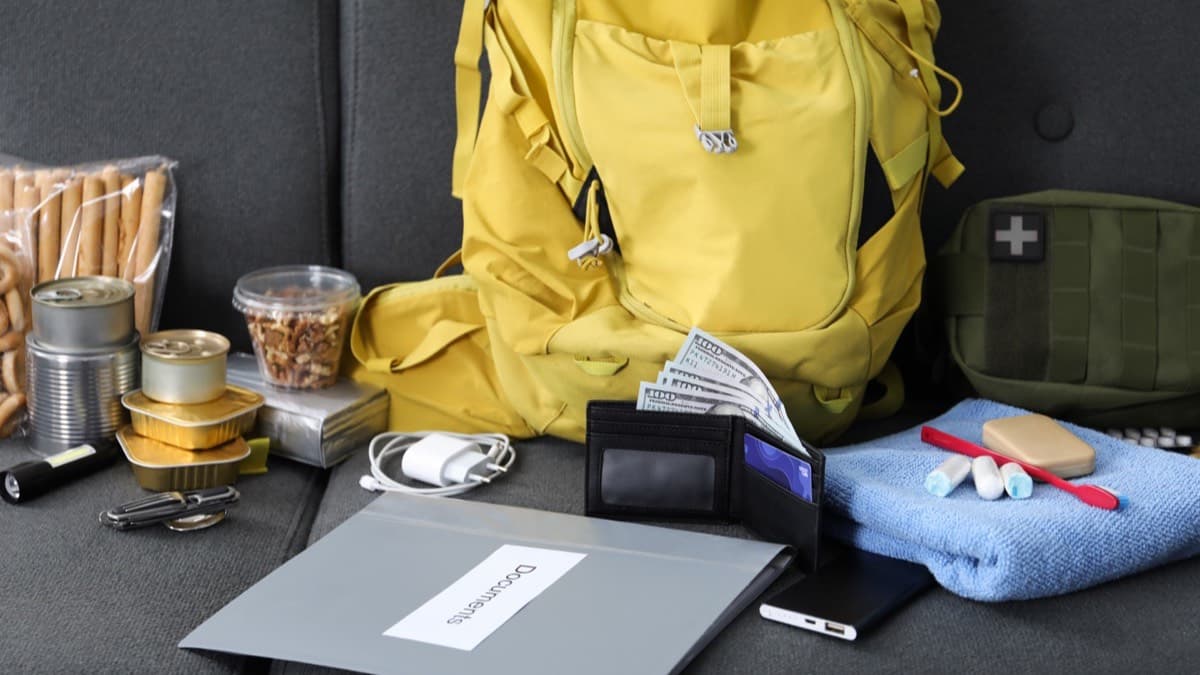
Photograph the house and your belongings before anything is moved, and call your insurance company. Have N95 respirators, goggles and gloves ready for everyone doing the work. Outside, empty standing water from buckets, gutters, toys and anything else that holds it, since mosquitoes breed in even small amounts after a flood.
Recover the house after a flood
- Photograph the house and belongings before cleanup
- Call the insurance company about the flood
- Gather N95 masks, goggles and gloves before the cleanup
- Empty standing water from buckets, gutters and toys outside
FAQ
How long do I have to dry things out after a flood?
Within 24 to 48 hours if you can. Throw away anything that can't be cleaned and dried in that time.
Should I test for mold after a flood?
Usually not. Any mold needs cleaning up, and the moisture problem needs fixing, whatever a test shows.
Sources
Checked October 19, 2026
- U.S. Environmental Protection Agency. Homeowner's and renter's guide to mold cleanup after disasters (2015)
- U.S. Environmental Protection Agency. Flooded homes cleanup guidance (2026)
- U.S. Environmental Protection Agency. Flooded homes: protecting your health (2026)
- U.S. Environmental Protection Agency. Flooded homes: doing it yourself (2026)
- U.S. Environmental Protection Agency. Flooded homes: additional resources and help (2026)
- Foundation
- Owner
- Mold
- Tenant
- Either
- Flood