Checklist
Garage and basement fire safety checklist
Put a smoke alarm in the basement, keep 3 feet clear around the furnace and water heater, and fit a self-closing, fire-rated door between the garage and the house.
Satisfy+ Editorial · Published August 12, 2026 · 2 min read · 45 min to do
At a glance
- Basement alarm
- Test it every month
- CO alarm
- In the basement with any fuel-burning equipment
- Clearance
- 3 feet around the furnace and the water heater
- Garage door to the house
- Fire-rated, self-closing, self-latching
Flammable liquids, stored boxes, gas appliances and power tools make basements and garages riskier than the rest of the house. Garage fires tend to spread farther than fires that start anywhere else in the home, and they cause more injuries and more damage.
Basement alarms and utilities
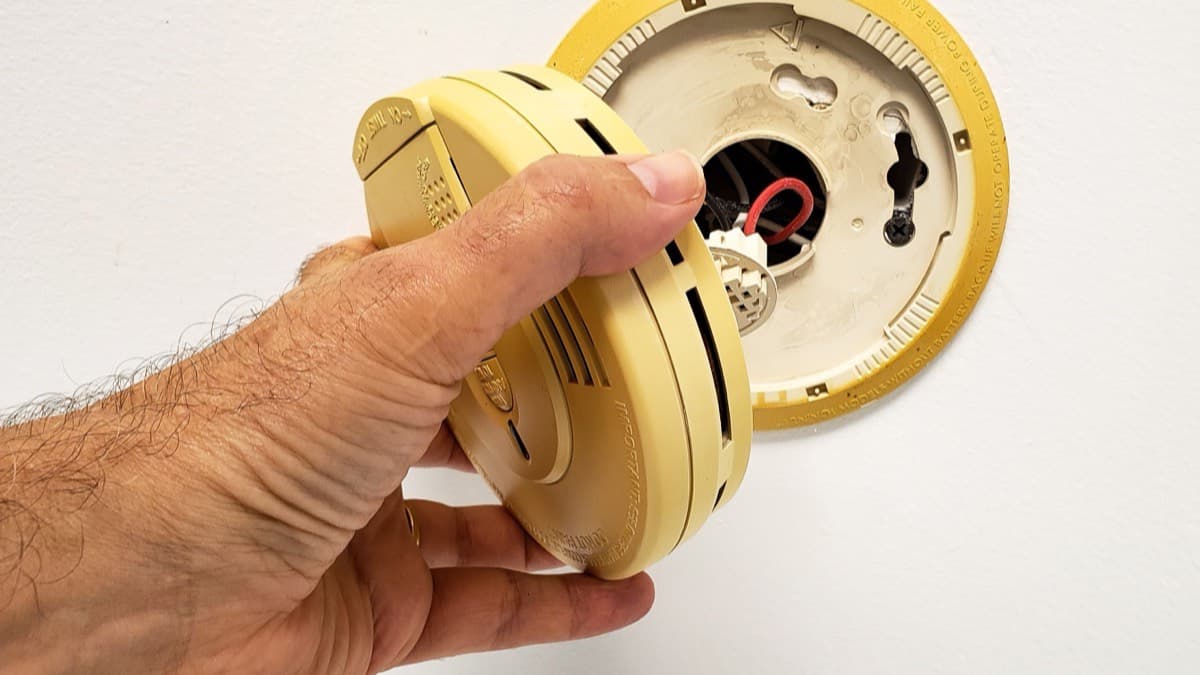
- Put a smoke alarm in the basementTest it every month and clean it as needed.
- Connect it to the other smoke alarmsConnecting alarms is a job for an electrician.
- Add a carbon monoxide alarm with fuel-burning equipmentAny oil, gas or wood-burning equipment in the basement calls for one.
- Keep the breaker panel easy to reach
- Keep the burner doors closedOn a gas water heater or gas furnace, a closed burner access door keeps the flames from escaping.
Basement housekeeping
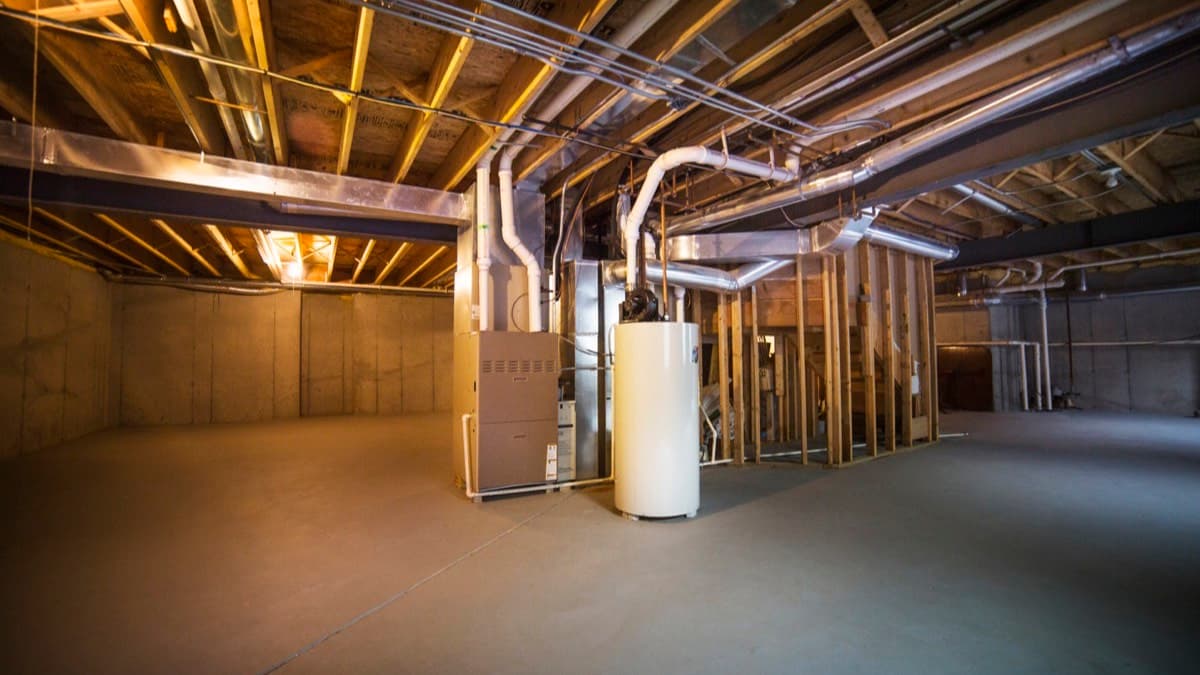
- Keep 3 feet clear around the heatThat means anything that can burn, kept back from the furnace, oil burner, wood stove and water heater.
- Seal oily rags in an airtight containerStore it away from heat.
- Keep the trash out of the basement
- Keep the stairs clearThey're the way out in an emergency.
- Look after the washer and dryerPlug both straight into a wall outlet, clean the lint filter every time you use the dryer and have the vent duct cleaned every year.
The garage
- Store fuels and paints in a shedOil, gasoline, paints, propane and varnishes belong in a shed away from the house.
- Keep what burns away from the appliancesStore it on shelves.
- Give each charger its own outletPlug only one charging appliance into an outlet, and don't charge through an extension cord.
Between the garage and the house
- Check the door into the houseIt should be a 20-minute fire-rated door that closes and latches on its own. Open it and let go to check.
- Check the walls, the ceiling and the attic hatchA wall shared with the house needs 1/2-inch gypsum board, a ceiling under living space needs 5/8-inch Type X gypsum board, and an attic hatch in the garage needs a cover. Have a contractor fit what's missing.
- Use a heat alarm in the garage, not a smoke alarmIt sounds when the temperature rises too high. Have an electrician install it.
Check the garage and the basement for fire safety
- Test the basement smoke alarm
- Clear 3 feet around the furnace and water heater
- Clear the path to the breaker panel
- Check the garage door to the house latches by itself
- Have the dryer vent duct cleaned
FAQ
Does the basement need its own smoke alarm?
Yes, connected to the other smoke alarms in the house.
What kind of door should lead from the garage into the house?
A 20-minute fire-rated door that is self-closing and self-latching.
Sources
Checked October 19, 2026
- U.S. Fire Administration. Basement and garage fire safety (2023)
- Carbon monoxide
- Foundation
- Under $100
- Garage
- Either
- Fire