Guide
Getting the house ready for extreme heat
Cover and seal the windows, keep the cooling system's filter clean, find a cooling center before you need one, and know the signs of heat stroke.
Satisfy+ Editorial · Published May 11, 2026 · 3 min read
At a glance
- Extreme heat
- Above 90 degrees for two to three days or more
- Fans
- Use them only while the room is under 90 degrees
- Heat stroke
- A body temperature above 103 degrees
- No air conditioning
- Dial 2-1-1 for a cooling location
Extreme heat is a stretch of high heat and humidity, with temperatures above 90 degrees for at least two to three days. It causes more deaths each year than any other weather hazard. Most of the work to get the house ready happens before the first heat wave.
Keep the sun off the glass
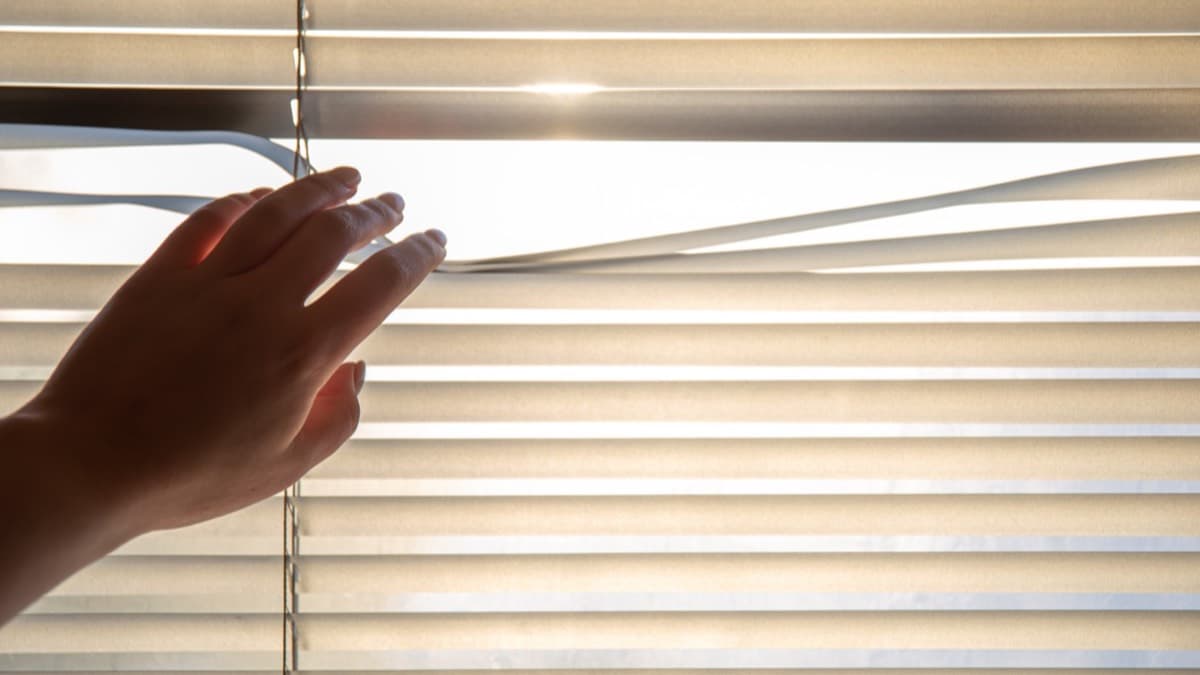
Cover the windows with drapes or shades. Window reflectors made to bounce heat back outside help too.
Seal the gaps
Weather-strip the doors and windows, and have insulation added to keep the heat out. If you cool with window air conditioners, insulate around them too.
Move the attic's heat out
A powered attic ventilator or attic fan pulls hot air out of the attic. It's mounted in the roof or a gable and wired in, so have it installed.
The air filter
Check the air filter every month in summer, and change it when it looks dirty. A dirty filter slows the airflow and makes the system work harder. Change it at least every three months, and have the system tuned up once a year.
If you can't afford the cooling bills or the repairs, the Low Income Home Energy Assistance Program (LIHEAP) helps pay for them.
Know the limits of a fan
Use fans only while the room is below 90 degrees. Above that, a fan can raise your body temperature. A fan moves air and feels cooler, but it doesn't lower body temperature or prevent heat illness. If the house has no air conditioning, dial 2-1-1 to find a place that does, or try a library or shopping mall.
During the heat wave
Use the oven less, take cool showers or baths, and wear loose, light-colored clothing. Never leave a person or a pet in a closed car on a warm day. Pets outside need plenty of cool water and shade, and hot asphalt can burn their feet. A heat wave can also knock out the power.
Who to check on
Adults over 65, infants and young children, and pregnant people are at greater risk. So are people with asthma or heart disease, and anyone working or exercising outside. Check on family, friends and neighbors, especially anyone with a chronic medical problem or who lives alone.
A body temperature above 103 degrees, with red, hot, dry skin and a rapid, strong pulse, means heat stroke. Call 911. Heavy sweating, paleness, cramps, weakness and a fast or weak pulse point to heat exhaustion. Move somewhere cooler and sip water or a sports drink.
An annotated example
What to do next
Pick the two sunniest windows and cover them this week. Check the filter, seal around the window units, and look up the nearest cooling center before you need it. Write down the name of anyone you'll check on during a heat wave.
Get the house ready for extreme heat
- Put shades or reflectors on the sunniest windows
- Seal the window air conditioners with foam strips
- Find the nearest cooling center
- Check the air conditioner filter
FAQ
Do fans cool a house in a heat wave?
Only while the room is below 90 degrees. A fan doesn't lower body temperature.
What counts as extreme heat?
Temperatures above 90 degrees with high humidity for at least two to three days.
Sources
Checked October 19, 2026
- Ready.gov (FEMA). Extreme heat (2026)
- Centers for Disease Control and Prevention. About heat and your health (2026)
- ENERGY STAR. Heating and cooling (2026)
- Heat
- Under $100
- Summer
- Hot humid
- Hot dry
- DIY