Explainer
What the air quality numbers mean for the house
Read the six colors of the Air Quality Index, check the forecast and the current hour, and keep the air in the house cleaner on a bad day.
Satisfy+ Editorial · Published May 20, 2026 · 3 min read
At a glance
- Good
- 0 to 50, green
- Unhealthy for sensitive groups
- 101 to 150, orange
- Unhealthy
- 151 to 200, red
- Hazardous
- 301 and higher, maroon
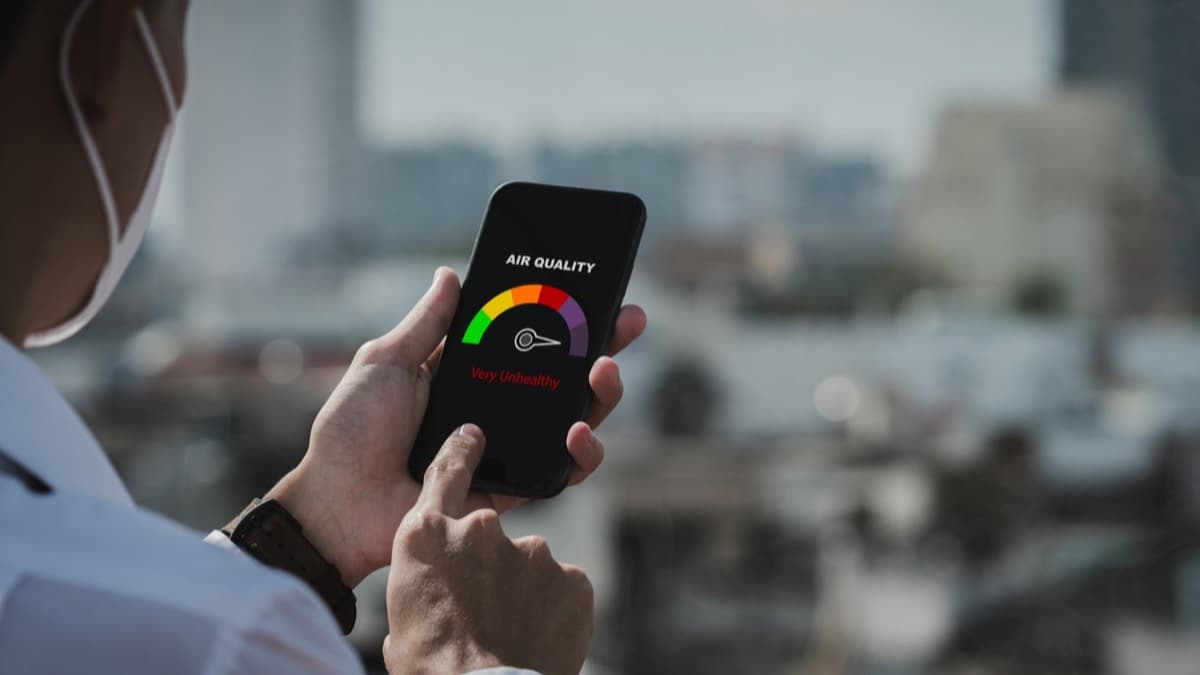
The Air Quality Index is the scale for reporting outdoor air pollution. It runs from 0 to over 300, and the higher the number, the dirtier the air and the greater the health concern. At 100 and below the air is generally satisfactory. Above 100 it becomes unhealthy, first for sensitive groups and then for everyone as the number climbs.
The six colors
- Green, 0 to 50. Good. Air pollution poses little or no risk.
- Yellow, 51 to 100. Moderate. Acceptable, with some risk for people unusually sensitive to air pollution.
- Orange, 101 to 150. Unhealthy for sensitive groups. Most other people are less likely to be affected.
- Red, 151 to 200. Unhealthy. Some of the general public may feel it, and sensitive groups more seriously.
- Purple, 201 to 300. Very unhealthy. A health alert, with the risk raised for everyone.
- Maroon, 301 and higher. Hazardous. A health warning of emergency conditions.
The index covers five pollutants: ground-level ozone, particle pollution, carbon monoxide, sulfur dioxide and nitrogen dioxide. Ozone and particle pollution are the two most widely forecast.
The forecast and the current hour
There are two numbers worth checking. The forecast, usually issued in the afternoon, predicts the next day's index, so you can plan outdoor work around it. The current reading, called the NowCast, shows the most recent hour. Air quality changes through the day. Even on a day with a bad forecast, there can be hours when the air is fine for being outside.
Inside the house
Some indoor air pollution comes in from outdoors, and the rest comes from cooking, cleaning, smoking and the things in the house. The most effective fixes are removing the sources and bringing in clean outdoor air when the outdoor air is clean. A furnace or air conditioner filter only works when the system is running, and a dirty, overloaded filter doesn't work well.
A portable air cleaner filters one room, so put it in the room you spend the most time in, with nothing blocking its airflow. Neither a filter nor an air cleaner removes all the pollution from the air.
An annotated example
What to do next
Check the forecast the afternoon before any long outdoor job, and the NowCast before you start. On an orange or worse day, air out the house only in the hours the reading is good. Check that the furnace or air conditioner filter is clean, and run a portable air cleaner in the room you use most. Keeping wildfire smoke out of the house covers the smoky days.
Keep the indoor air cleaner on a bad air day
- Check the air quality forecast before outdoor work
- Check the furnace or air conditioner filter
- Place any portable air cleaner in the room you use most
FAQ
What is a good Air Quality Index number?
50 or below is good. Up to 100 is generally satisfactory.
When is the air unhealthy?
Above 100, first for sensitive groups, and then for everyone as the number rises.
Does a furnace filter clean the air all the time?
No. It only filters the air while the system is running.
Sources
Checked October 19, 2026
- AirNow. Air Quality Index (AQI) basics (2026)
- AirNow. Using the Air Quality Index (2026)
- U.S. Environmental Protection Agency. Air cleaners and air filters in the home (2026)
- HVAC
- Owner
- Tenant
- Free
- DIY