Guide
How to get your home ready to sell
Start a few months before you list, fix what an inspector will find, test for radon, and put the permits, warranties and repair records in one file.
Satisfy+ Editorial · Published June 8, 2026 · 2 min read
General information, not legal advice, and not a substitute for the advice of an attorney. Laws vary by state.
At a glance
- Start
- A few months before you list
- Radon test
- 2 to 90 days, depending on the device
- Fix radon at
- 4 pCi/L or higher
- Built before 1978
- A lead-based paint disclosure goes with the sale
Start a few months before you list, so the repairs, the radon test and the paperwork are done before the first buyer walks through.
Repairs first
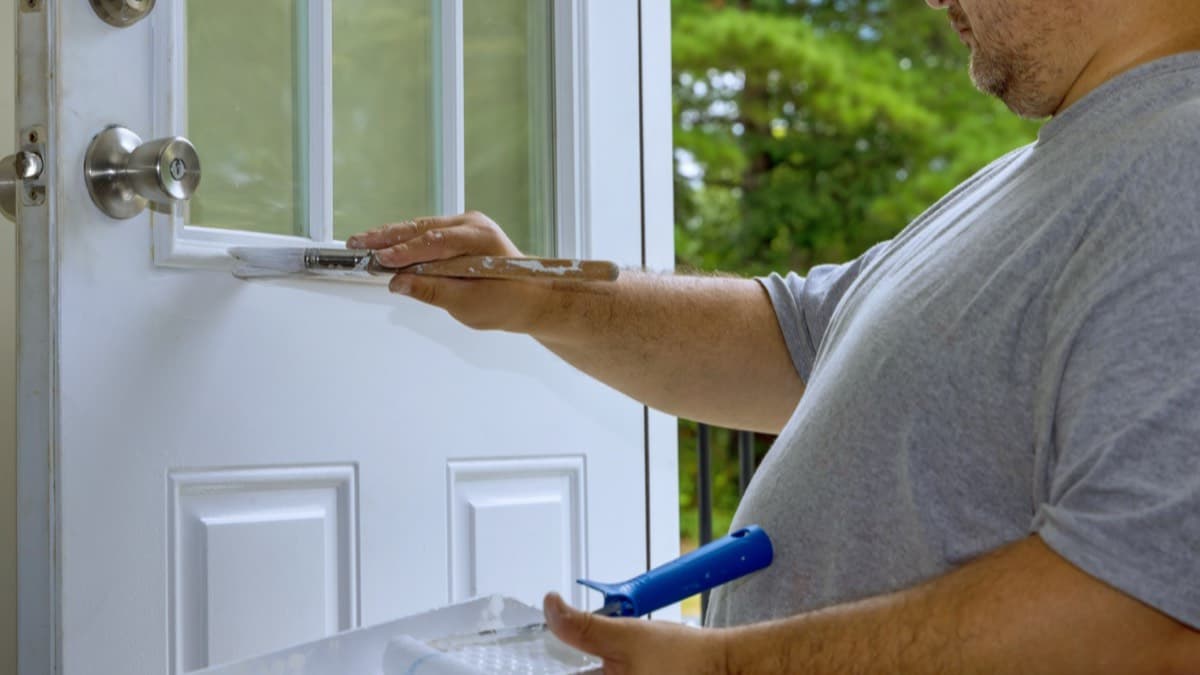
Walk the house room by room, the way a buyer's inspector would. List what isn't working, such as a dripping faucet, a sticking door or a stained ceiling. Fix the small ones yourself or in one visit from a handyman. For anything larger, have it done or get a written estimate, so you know the cost before a buyer asks.
Test for radon
Buyers often ask whether a house has been tested for radon, and whether a high level was lowered. Test now and keep the results. A short-term test stays in the house for 2 to 90 days, depending on the device, and the lab sends results within a few weeks.
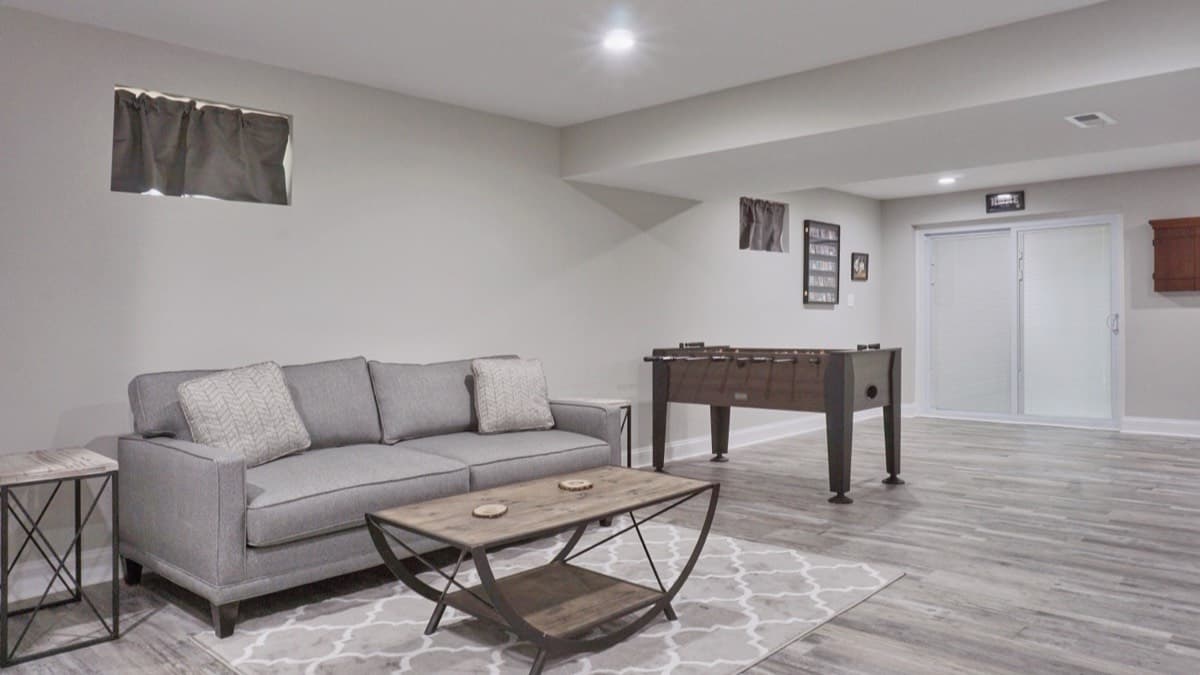
If the level is 4 picocuries per liter or higher, have it fixed before you list. Levels below 4 still carry some risk and can often be lowered. Buyers may want the level in a space they plan to use, such as a basement they'd turn into a family room. Many also want a test by someone who isn't part of the sale.
Build the house file
Gather what shows how the house has been looked after.
- Permits and final sign-offs. Keep them for any work done while you owned the house. Permitted work is inspected by the building department while it's built, and a final inspection follows at the end.
- Warranties. Keep those from contractors and manufacturers, with their end dates.
- Repair and improvement records. Keep the receipts too.
- Equipment ages. Take them from the labels on the water heater, the furnace and the air conditioner. The roof's age is on its invoice or an inspection report.
A house built before 1978
In most homes built before 1978, the seller tells the buyer what's known about lead-based paint in the house before the contract is signed. Gather any lead reports or records you have for the file.
An annotated example
What to do next
Start the file now, even if the sale is months away. List the repairs from your walk-through, book the radon test, and put the permits, warranties and receipts in one folder.
Get the house ready to sell
- Test the house for radon
- Put the permits, warranties and repair records in one file
- List the repairs to make before the first showing
FAQ
Should I fix everything before I list?
Fix the small repairs from your walk-through, and get a written estimate for each larger one, so you know the cost before a buyer asks.
How long before listing should I test for radon?
A few months ahead. A short-term test takes 2 to 90 days, and results arrive within a few weeks.
Sources
Checked October 20, 2026
- U.S. Environmental Protection Agency. A citizen's guide to radon (2016)
- U.S. Environmental Protection Agency. Real estate disclosures about potential lead hazards (2026)
- Federal Emergency Management Agency. Checklist to ask your general contractor (2023)
- Better Business Bureau. What to include in your home improvement contract (2026)
- Internal Revenue Service. How long should I keep records? (2026)
- Owner
- Selling