How-to
How to test your home for radon
Test your home for radon with a short-term kit on the lowest floor you live on, and learn what the result means.
Satisfy+ Editorial · Published July 10, 2026 · 2 min read · 20 min to do
At a glance
- Time
- About 20 minutes of your own time, plus 2 to 90 days for the kit
- Skill
- Beginner
- Action level
- 4 pCi/L
- Test again
- Every two years, and after any fix
You can't see, smell or taste radon, and a test is the only way to know your level. Radon is the second leading cause of lung cancer in the United States, after smoking. Every home below the third floor needs a test. A do-it-yourself kit costs little and takes a few minutes to set up.
What you need
- A short-term radon test kit, sold by mail and in some hardware stores
- The kit's instructions and its prepaid mailer to the lab
- A spot in a lived-in room, at least 20 inches off the floor
Steps
- 1
Close up the house
For a 2- or 3-day test, close the windows and outside doors at least 12 hours before you start. Keep them closed through the test. The heating and air conditioning fan can run, but not a fan that brings in outside air.
5 min
- 2
Pick the room
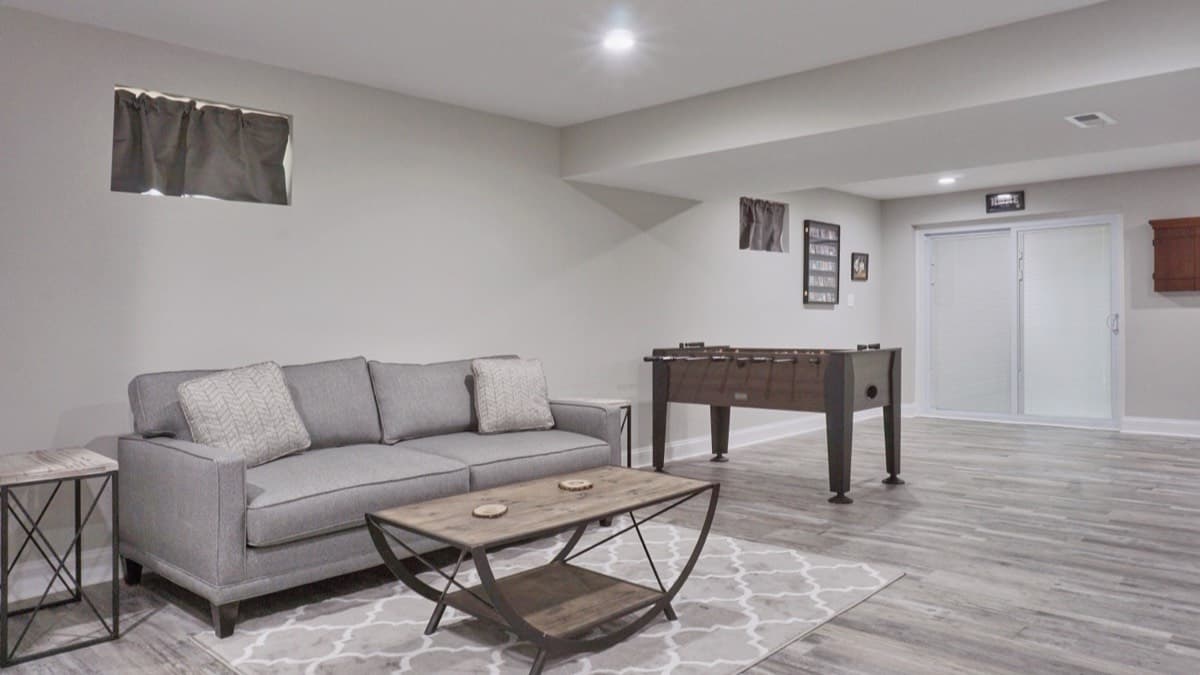
Use the lowest lived-in level: the basement if you use it often, otherwise the first floor. Choose a room you use regularly, such as a living room or a bedroom, but not the kitchen or a bathroom.
5 min
- 3
Set out the kit
Place it at least 20 inches above the floor, away from drafts, high heat, high humidity and outside walls. Leave it as long as the package says.
5 min
- 4
Mail it to the lab
Reseal the package and send it to the lab on the package right away. Results arrive within a few weeks.
5 min
- 5
Read the result against 4 pCi/L
Radon is measured in picocuries per liter of air, written pCi/L. The lab's report gives the number to compare.
2 min
Test the house for radon
- Test the house for radon
Don't run a 2- or 3-day test during unusually severe storms or high winds.
What the result means
If the first short-term result is 4 pCi/L or higher, take a follow-up test to be sure. Use a long-term test for a better picture of the year-round average, or a second short-term test if you need the answer quickly. If the first result is more than twice the 4 pCi/L action level, take the second short-term test right away.
The average indoor level is about 1.3 pCi/L, against about 0.4 pCi/L outdoors. Between 2 and 4 pCi/L, fixing the house is still worth considering.
If the level is high
Lowering radon takes technical knowledge and special skills, so the work goes to a contractor trained to fix radon problems. Your state radon office can give you names of qualified or state-certified radon contractors. Some reduction systems lower radon levels by up to 99 percent.
FAQ
How often should I test again?
Test again after a fix, and every two years after that. Test again too if you start using a lower floor, such as the basement.
Does a newer house need a test?
Yes. Radon can get into any type of building, and the advice to test covers every home below the third floor.
Sources
Checked October 19, 2026
- U.S. Environmental Protection Agency. A citizen's guide to radon (2016)
- U.S. Environmental Protection Agency. Health risk of radon (2026)
- Radon
- Owner
- Under $100
- Beginner
- DIY