How-to
A rotten-egg smell in the water
Run the cold tap and then the hot to find where the smell comes from, since a smell only in the hot water usually points to the water heater, not the well.
Satisfy+ Editorial · Published September 28, 2026 · 3 min read · 15 min to do

At a glance
- The cause
- Hydrogen sulfide gas
- Hot water only
- Usually the water heater's magnesium rod
- Hot and cold
- Usually bacteria in the well or plumbing
- Health
- An odor problem, not a health one, at levels you can smell
A rotten-egg smell from the tap is usually hydrogen sulfide, a gas made by sulfur-reducing bacteria that live in groundwater, wells and plumbing. The bacteria themselves don't cause health problems. Most people can smell the gas well below 0.5 milligrams per liter, long before it reaches a harmful level, and there's no drinking water standard for it. It can still corrode metal plumbing and leave yellow or black greasy stains on fixtures.
A rotten-egg smell in the air, rather than in the water, can mean a natural gas leak. Leave the house and follow If you smell gas or something burning in the house.
What you need
- Two clean glasses
- A few minutes at a sink with hot and cold taps
Steps
- 1
Smell the cold water
Run the cold tap for a minute, fill a glass and smell it away from the sink.
3 min
- 2
Smell the hot water
Do the same with the hot tap. Compare the two glasses.
3 min
- 3
If only the hot water smells
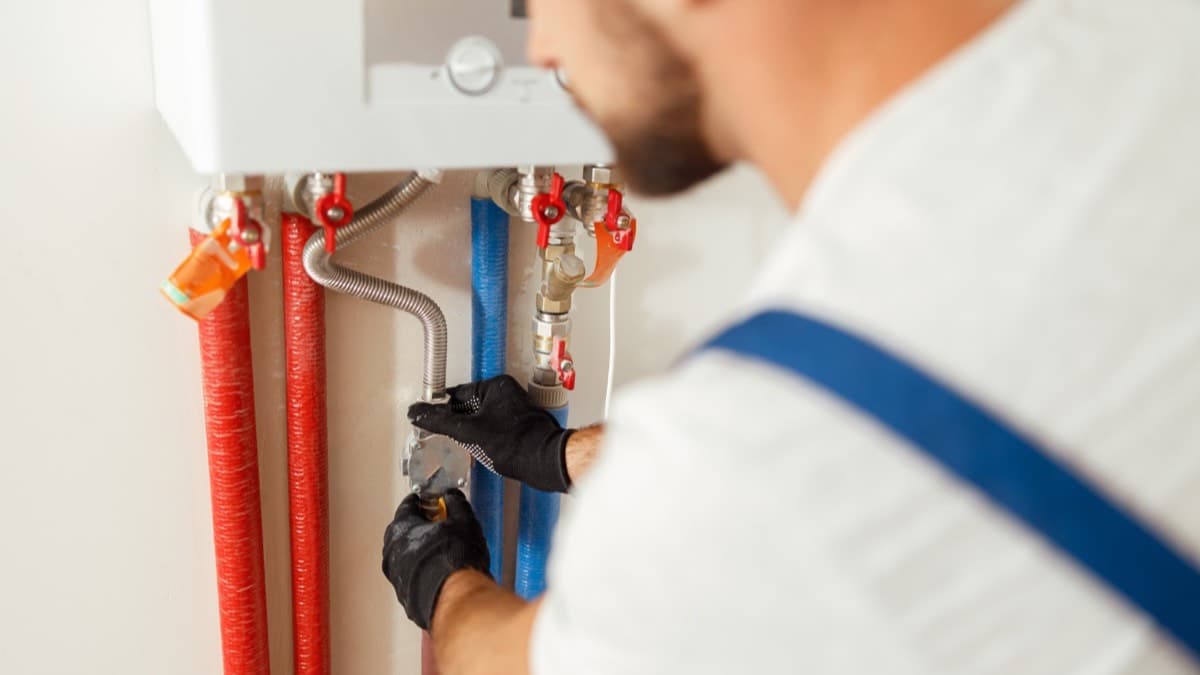
The water heater is the likely source. Water heaters have a magnesium rod inside to slow corrosion, and it can turn natural sulfates in the water into hydrogen sulfide. A plumber can replace it with an aluminum rod, which should end the smell and keep protecting the tank. Taking the rod out without replacing it shortens the heater's life.
5 min
- 4
If both smell
The gas is probably coming from the well or the plumbing. It's most common in wells drilled into acidic bedrock such as shale and sandstone. A water softener or other treatment equipment can occasionally be the source, since it can give the bacteria a place to grow.
2 min
- 5
Get the water tested
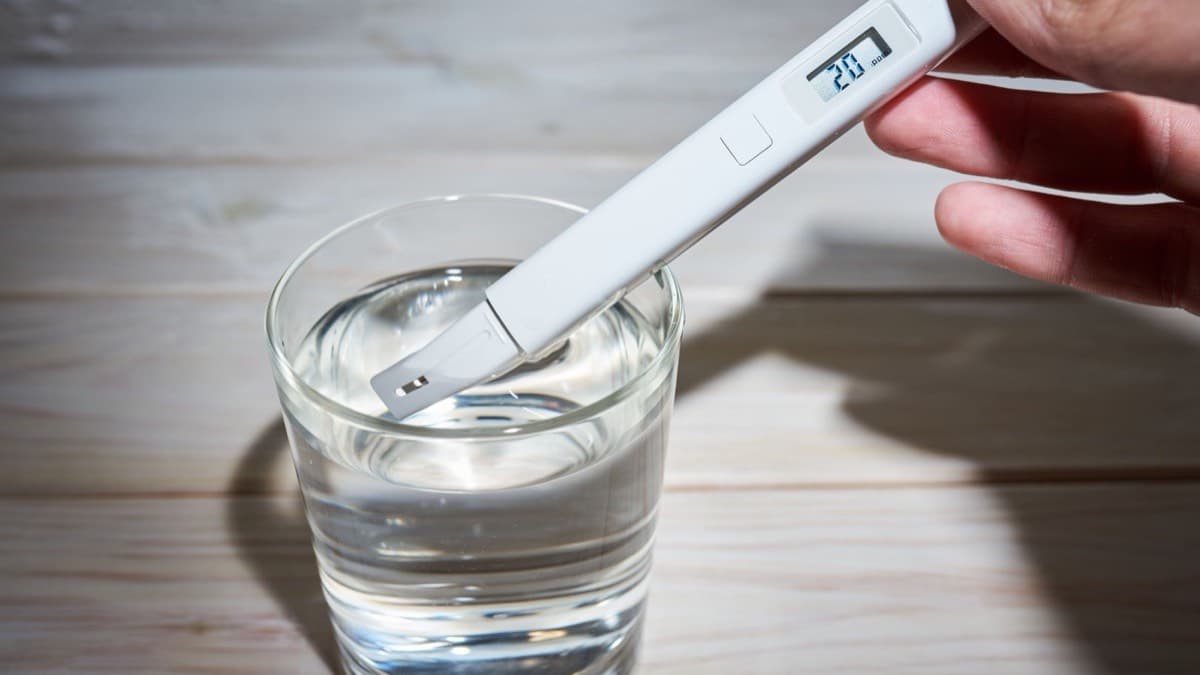
A test shows how much hydrogen sulfide is in the water, which decides what treatment works. The test has to be done in the home, or the sample chemically stabilized before it goes to a lab. Ask a state-accredited commercial water testing lab whether it can test for hydrogen sulfide.
2 min
Track down the rotten-egg smell
- Compare the smell of the cold and hot water
- Call a plumber about the water heater's anode rod
- Ask a certified lab about a hydrogen sulfide test
Treating a well
How hydrogen sulfide is removed depends mainly on how much is in the water, so the test result comes first. Treatment usually covers all the water coming into the house, since it's an odor problem everywhere. A water treatment professional can match the method to the level:
| Method | How it works | Suited to |
|---|---|---|
| Activated carbon | Holds the gas on the carbon | Low levels, under about 1.0 mg/L |
| Aeration | Lets the gas escape into the air | Levels up to about 2 mg/L |
| Oxidizing filter | Converts and filters it in one unit | Up to about 2 to 3 mg/L |
| Chlorination | Turns the gas into solid sulfur to filter out | Any level |
Shock chlorination puts chlorine straight into the well to kill the bacteria. In most cases, the bacteria and the smell come back quickly. Every system needs upkeep, from replacing carbon to refilling chlorine tanks and backwashing filters.
FAQ
Why does my hot water smell like rotten eggs but not my cold?
Usually the water heater's magnesium rod is reacting with sulfates in the water. A plumber can replace it with an aluminum rod.
Is water that smells like rotten eggs safe to drink?
Hydrogen sulfide makes water unpleasant to drink well before it reaches a harmful level, and the bacteria behind it don't cause health problems.
What if the smell is in the air, not the water?
It could be a natural gas leak. Leave the house and call 911 or the gas company from somewhere well away from it.
Sources
Checked October 20, 2026
- Penn State Extension. Hydrogen sulfide (rotten egg odor) in water wells (2024)
- Owner
- Plumbing
- Well
- Water heater
- Either