Guide
Private wells, the yearly test and the upkeep around them
Have your well water tested every year at a certified lab, test again whenever something changes, and keep the ground around the well clean and sloped away.
Satisfy+ Editorial · Published July 14, 2026 · 3 min read
At a glance
- Every year
- Coliform bacteria, nitrates, dissolved solids, pH
- Where
- A certified drinking water lab
- Free testing
- Some local health departments
- Retest
- After a flood, a repair or a change in the water
Test a private well every year for total coliform bacteria, nitrates, total dissolved solids and pH. If you suspect anything else is getting into the water, test for that too. Your local health department can tell you what's common in the groundwater where you live.
When to test more often
Test more often if small children or older adults live in the house, or if someone is pregnant or nursing. They're more easily harmed by contaminants. Test right away if:
- There are known problems with the groundwater or drinking water in your area.
- Something changes near the well, such as flooding, digging, or new construction or industry.
- You replace or repair any part of the well system.
- The water's smell, color or taste changes.
What to test for
Some conditions point to particular contaminants. Not all of them are health risks. Some only affect how the water looks, tastes or smells.
| If you notice | Consider testing for |
|---|---|
| Stomach or intestinal illness that keeps coming back | Coliform bacteria |
| Plumbing or service lines that contain lead | pH, lead, copper |
| Farming nearby | Nitrate, nitrite, pesticides, coliform bacteria |
| A gasoline or fuel oil smell | Volatile organic compounds |
| Stained fixtures or laundry | Iron, copper, manganese |
| Scaly residue, or soap that won't lather | Hardness |
| Cloudy, frothy or colored water | Color, detergents |
Getting it tested
Use a lab certified for drinking water testing in your state. Some local health departments test private wells for free. The results show how much of each substance is in the water, and may show whether it's above the national drinking water standard.
If something comes back above a health standard, call your public health department for what to do next, and have the well retested to confirm the result.
Looking after the well
- Slope the ground so rainwater runs away from the well.
- Keep a sealed cap on it.
- Don't mix or use pesticides, fertilizer, weed killer, degreasers or fuel near it.
- Keep harsh chemicals out of the septic system too.
- Keep a record of any maintenance, such as disinfecting the well.
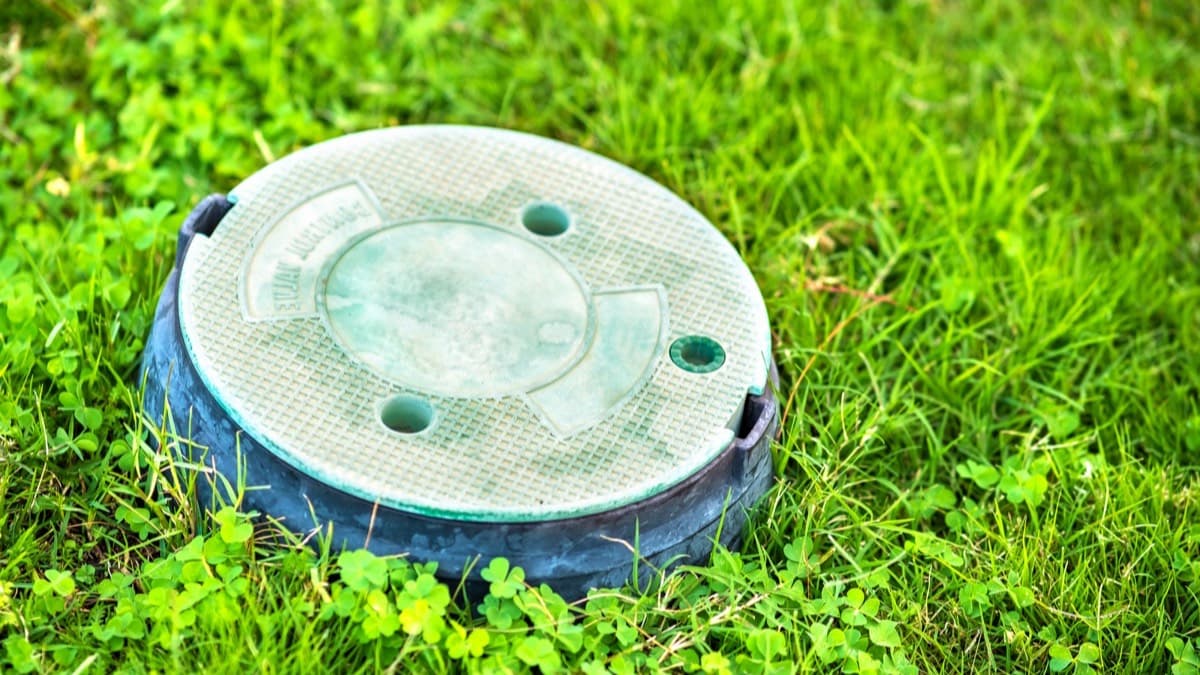
Every so often, look at the parts of the well you can see. Check the casing for cracks, rust or damage, and make sure the cap is in place and unbroken. Look for settling or cracks in the seal where the casing meets the ground. A new well, a change to a well, or closing an old one is a job for a certified well driller. Septic systems, pumping and what never goes down the drain covers the other system on a lot with its own well.
After a flood
Floodwater can carry contaminants into a well. Stay away from the well pump while it's flooded, since it can give you an electric shock. Don't drink or wash with the water. Have a well or pump contractor clean and disinfect the well before you turn the pump back on, and ask your local or state health department about testing it.
An annotated example
What to do next
Find the date and results of your last well test. If it's been more than a year, call your local health department or a certified lab and book one.
Keep the well tested
- Book the yearly well water test at a certified lab
- Check the well cap and casing for cracks or damage
- Save the well test results with the house records
FAQ
How often should I test my well water?
Every year, for total coliform bacteria, nitrates, total dissolved solids and pH.
Where can I get well water tested?
At a lab certified for drinking water. Some local health departments test private wells for free.
Sources
Checked October 19, 2026
- U.S. Environmental Protection Agency. Protect your home's water (2026)
- Owner
- Well