Explainer
Asbestos in an older home
Learn when asbestos in an older house is a risk and when it's safest left alone, what never to do to it, and who inspects and removes it.
Satisfy+ Editorial · Published October 8, 2026 · 3 min read
At a glance
- Telling by looking
- Not possible, unless it's labeled
- In good shape and undisturbed
- Usually safest left alone
- Damaged or about to be disturbed
- A job for an accredited professional
- Never
- Sand, saw, scrape, drill or sweep it
You can't tell whether a material contains asbestos just by looking at it, unless it's labeled. If you're in doubt, treat it as asbestos and leave it alone. Asbestos that's in good condition and won't be disturbed isn't likely to release fibers or pose a health risk. The danger comes when it's damaged, removed badly, repaired, cut, torn, sanded, sawed, drilled or scraped, because that's when fibers get into the air.
When to have it checked
A house with no damaged materials and no remodeling planned doesn't need testing. Have an accredited asbestos professional inspect if you're planning a remodel that could disturb building materials, or if materials are already damaged, such as crumbling drywall or insulation falling apart. Don't take samples yourself. Sampling done wrong can be more hazardous than leaving the material alone.
Watching it over time
Look over suspected materials from time to time for tears, scrapes or water damage, without touching them. Damaged material that gets bumped, rubbed or handled often, or that sits in strong vibration or airflow, is more likely to release fibers. For slightly damaged material, the best step is often to keep people out of the area and leave it untouched. Keep children away from it.
What never to do
Don't dust, sweep or vacuum debris that may contain asbestos. Don't saw, sand, scrape or drill into it. Don't strip wax from asbestos flooring with abrasive pads or a power stripper, and don't sand the flooring or its backing. When it needs replacing, a new floor can often go over the top. Don't track the material through the house. If you have to walk through the area, have it cleaned with a wet mop, and call a professional for a damaged area or a large one.
Repair and removal
Asbestos that's more than slightly damaged, or that a remodel will disturb, needs repair or removal by a trained and accredited professional. Repair seals the material or covers it, such as a protective jacket around old pipe insulation, and leaves the asbestos in place. Removal is complex, and done badly it can raise the family's exposure. An inspector assesses and samples, and a contractor does the repair or removal. Hiring the two from separate firms avoids a conflict of interest.
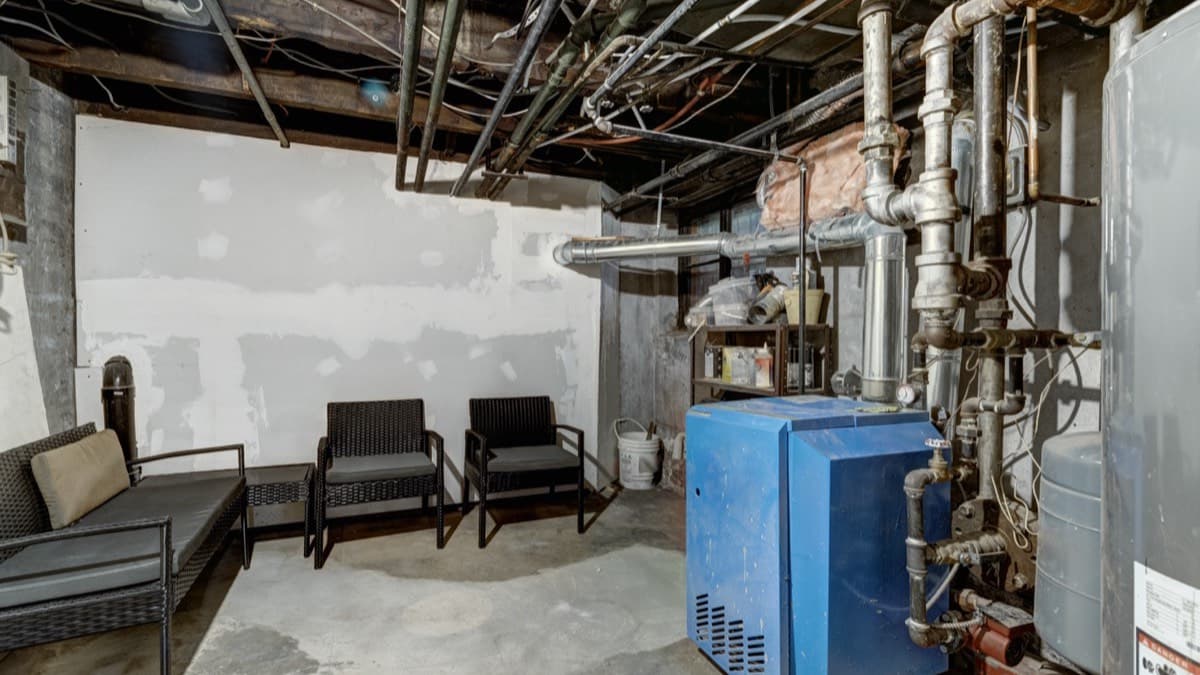
An annotated example
What to do next
Look over any suspected asbestos for damage, without touching it. Before a remodel that will open walls, ceilings or old floors, book an accredited asbestos inspector. Use a separate accredited contractor for any repair or removal, and ask each one for proof of their training.
Handle suspected asbestos safely
- Check suspected asbestos materials for wear or damage
- Book an accredited asbestos inspector before remodeling
FAQ
Should I remove asbestos from my house?
Not if it's in good condition and won't be disturbed. Undamaged asbestos is usually safest left alone.
Can I test for asbestos myself?
Taking samples yourself isn't recommended. Done wrong, it can release more fibers than leaving the material alone.
Can I vacuum asbestos dust?
No. Don't dust, sweep or vacuum debris that may contain asbestos.
Sources
Checked October 19, 2026
- U.S. Environmental Protection Agency. Protect your family from exposures to asbestos (2026)
- Hire
- HVAC
- Owner
- Interior