Explainer
What duct cleaning and duct sealing do
Learn when duct cleaning is worth paying for, how to tell your ducts are leaking, and what a good duct sealing job includes.
Satisfy+ Editorial · Published August 12, 2026 · 3 min read
At a glance
- Duct cleaning
- As needed, not as routine upkeep
- Air lost through duct leaks
- About 20 to 30 percent in a typical house
- Efficiency gain from sealing
- Up to 20 percent
- Sealing
- Mastic or foil tape, not cloth duct tape
Duct cleaning and duct sealing are often sold together, but they do different jobs. Cleaning removes dirt from inside the ducts. Sealing closes the leaks that let heated or cooled air escape before it reaches a room.
When duct cleaning helps
Duct cleaning has never been shown to prevent health problems. Much of the dirt in ducts sticks to the duct walls and doesn't necessarily reach the rooms. There's also little evidence that cleaning only the ducts makes a system run more efficiently.
Clean the ducts when there's a reason to, not on a schedule. Consider it when you find:
- substantial visible mold inside hard-surface ducts or on other parts of the system;
- insects or rodents in the ducts;
- ducts clogged with dust and debris, or particles blowing out of the registers.
Fix the cause first, or the problem will come back. Insulated duct that gets wet or moldy can't be cleaned well, and has to be removed and replaced.
Signs the ducts are leaking
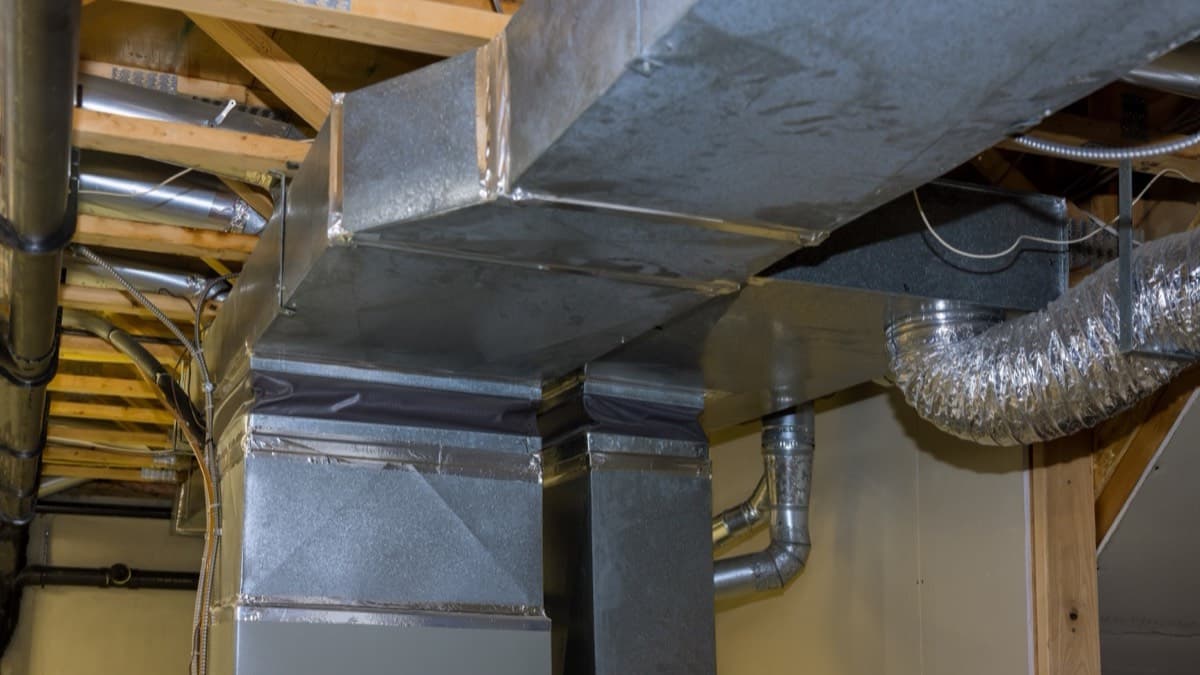
In a typical house, about 20 to 30 percent of the air moving through the ducts is lost through leaks, holes and poor connections. Sealing and insulating the ducts can raise a heating and cooling system's efficiency by up to 20 percent. Look for:
- high utility bills in summer and winter;
- rooms that are hard to heat or cool, or stay stuffy;
- ducts that run through the attic, crawl space, an unheated basement or the garage;
- flexible ducts that are tangled or kinked.
Most heating and cooling contractors repair ductwork. Ducts often run through attics and crawl spaces, so have a contractor do the work.
What a good duct job includes
- An inspection. The contractor checks the whole duct system, including the attic, basement and crawl space.
- Repairs. Damaged or disconnected ducts are fixed, and crushed flexible ducts are straightened.
- Sealing. Leaks and joints are sealed with mastic, metal tape or an aerosol sealant, never cloth duct tape.
- Insulation. Ducts in unheated spaces are insulated to R-6 or higher.
- An airflow test. The airflow is measured after the repairs.
- A combustion safety test. It checks that gas or oil appliances still vent properly once the ducts are tighter.
Hiring a duct cleaner
Get written estimates from three companies, and ask each to show you the problem that justifies cleaning. Don't hire a company that makes sweeping health claims or sells cleaning as routine maintenance. The EPA doesn't certify duct cleaners, so a claim of EPA approval is a warning sign. Get the agreement in writing, with the total cost and what will be cleaned.
An annotated example
What to do next
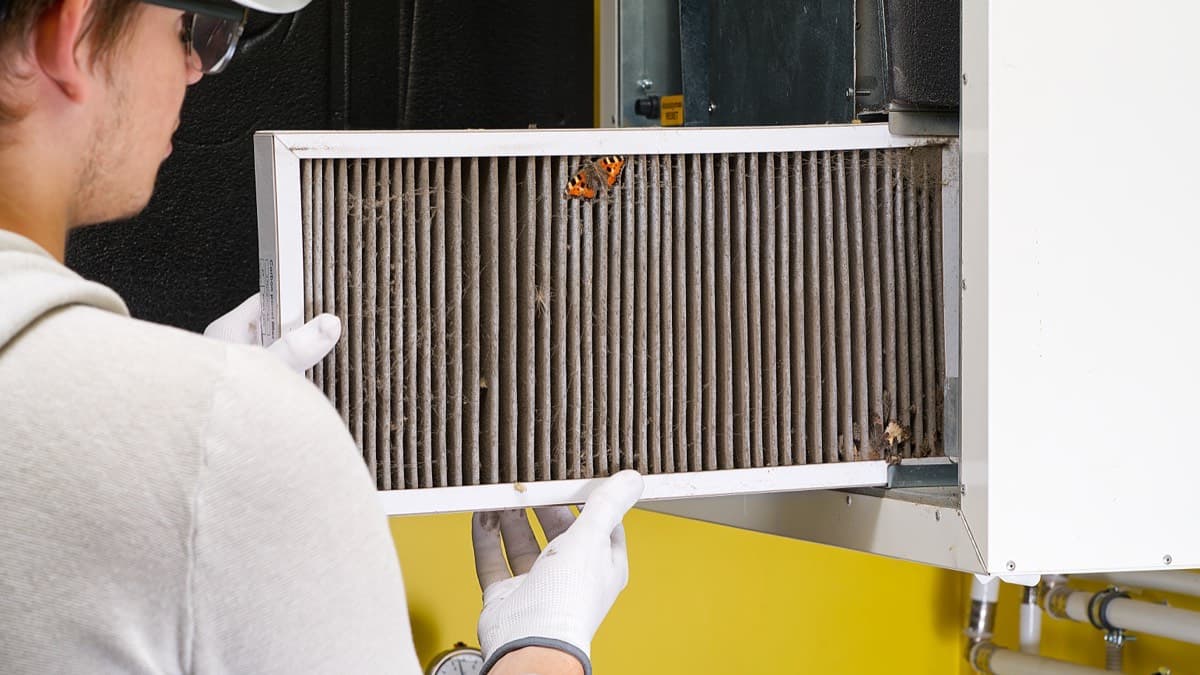
Walk the house with the list of signs and note which apply. Check that the furnace filter fits its slot with no gaps around it, which keeps dust out of the ducts. Ask your heating contractor to look at the ducts at the next check-up.
Check the ducts for leaks and dirt
- Look for the duct leak signs ENERGY STAR lists
- Check that the filter fits with no gaps around it
- Ask the contractor to check the ducts at the next visit
FAQ
How often should air ducts be cleaned?
Only when there's a reason, such as visible mold, pests or heavy debris.
Can I seal ducts with duct tape?
No. Use mastic or foil tape.
Sources
Checked October 19, 2026
- U.S. Environmental Protection Agency. Should you have the air ducts in your home cleaned? (2026)
- ENERGY STAR. Duct sealing (2026)
- ENERGY STAR. Heat and cool efficiently (2026)
- U.S. Environmental Protection Agency, ENERGY STAR. A guide to energy-efficient heating and cooling (2009)
- $100 to $1,000
- Hire
- HVAC
- Owner