Guide
Bed bugs, confirming them and getting rid of them
Find the signs that prove bed bugs are there, have a sample identified, and work through a treatment plan that takes weeks and a year of checking.
Satisfy+ Editorial · Published September 22, 2026 · 3 min read
At a glance
- Signs
- Rusty stains, dark spots, tiny pale eggs
- Hiding places
- Any crack that holds a credit card
- Bites alone
- A poor sign of bed bugs
- Keep checking
- For a year after treatment
Bed bugs are far easier and cheaper to get rid of while there are only a few, but a small infestation is also hard to find and easy to confuse with something else. Carpet beetles are often mistaken for bed bugs. Bites are a poor sign, since bed bug bites look like mosquito or chigger bites, rashes or hives, and some people don't react at all.
Finding the signs
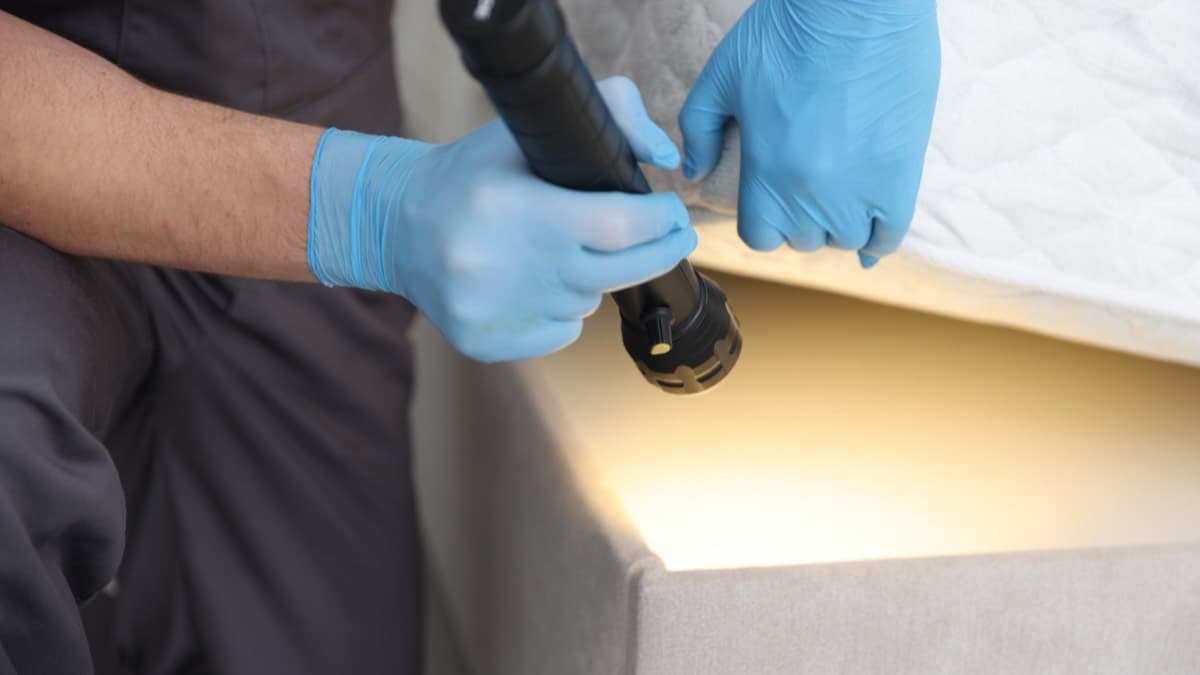
Look while you change the bedding or clean, and when you stay away from home.
- Rusty or reddish stains on sheets or the mattress, from crushed bugs
- Small dark spots, about the size of a dot, which bleed into fabric like a marker
- Eggs and eggshells, about 1 millimeter and pale yellow, and the pale skins young bugs shed
Around the bed, they hide in the piping, seams and tags of the mattress and box spring, and in cracks in the bed frame and headboard. In a heavy infestation, look in the seams of chairs and couches, between cushions, in curtain folds, in outlets, under loose wallpaper and where the wall meets the ceiling. A bed bug is about as thin as a credit card, so any crack that holds a card can hide one. They travel 5 to 20 feet from a hiding place to feed, and a hungry one will come out in daylight.
Confirming them
Collect a bug and take it to the local Cooperative Extension office or another insect expert, who can identify it. If it's a bed bug and you live in an apartment, tell the landlord, so the units nearby can be inspected.
Getting rid of them
Treatment takes weeks to months, and everyone in the house has to take part. Steps may have to be repeated to kill all the bugs and their eggs.
- Seal the hiding places. Caulk the cracks and crevices.
- Bag the infested items. Seal them in plastic and treat them. Seal anything that can't be treated and leave it bagged for up to a year.
- Cover the beds. Sealed covers on mattresses and box springs trap the bugs inside to die.
- Vacuum often. Seal the bag and throw it straight into an outdoor trash can.
- Use heat or cold. A clothes dryer on high heat works on fabrics. A freezer works only at 0°F, with the items sealed in for three days, so check it with a thermometer. A steam cleaner at 130°F or more treats carpets, baseboards and furniture.
- Use pesticides only by the label. Use only a product registered with the EPA that lists bed bugs on its label. A fogger alone won't reach the cracks.
Never use rubbing alcohol, kerosene or gasoline, which can catch fire. Don't try to heat the house with the thermostat, a space heater or the fireplace to kill them, which doesn't work and is dangerous. A pest management professional has stronger options, including heating a whole house.
An annotated example
What to do next
Once they're confirmed, make a schedule for the treatment and keep a record of the dates and places you find bugs. Check for signs every few days after the first round, since eggs may have hatched, and keep checking for at least a year after you're done.
Confirm and treat bed bugs
- Take a sample to the extension office to be identified
- Put sealed covers on the mattresses and box springs
- Check the bed and the furniture for signs of bed bugs
FAQ
How do I know if I have bed bugs?
Look for rusty stains, dark spots and tiny pale eggs along mattress seams and bed frames. Bites alone aren't a reliable sign.
Can freezing kill bed bugs?
Yes, at 0°F with the items sealed in a bag for three days. Many home freezers aren't that cold, so check with a thermometer.
How long does it take to get rid of bed bugs?
Weeks to months, with at least a year of checking afterward.
Sources
Checked October 19, 2026
- U.S. Environmental Protection Agency. How to find bed bugs (2026)
- U.S. Environmental Protection Agency. Do-it-yourself bed bug control (2026)
- Owner
- Pests
- Tenant
- DIY