How-to
Checking your roof from the ground
Walk around the house twice a year and after big storms, look over the roof for the signs of wear each material shows, and leave the climbing and the repairs to a roofer.
Satisfy+ Editorial · Published August 5, 2026 · 2 min read
At a glance
- How often
- Twice a year, spring and fall
- Also
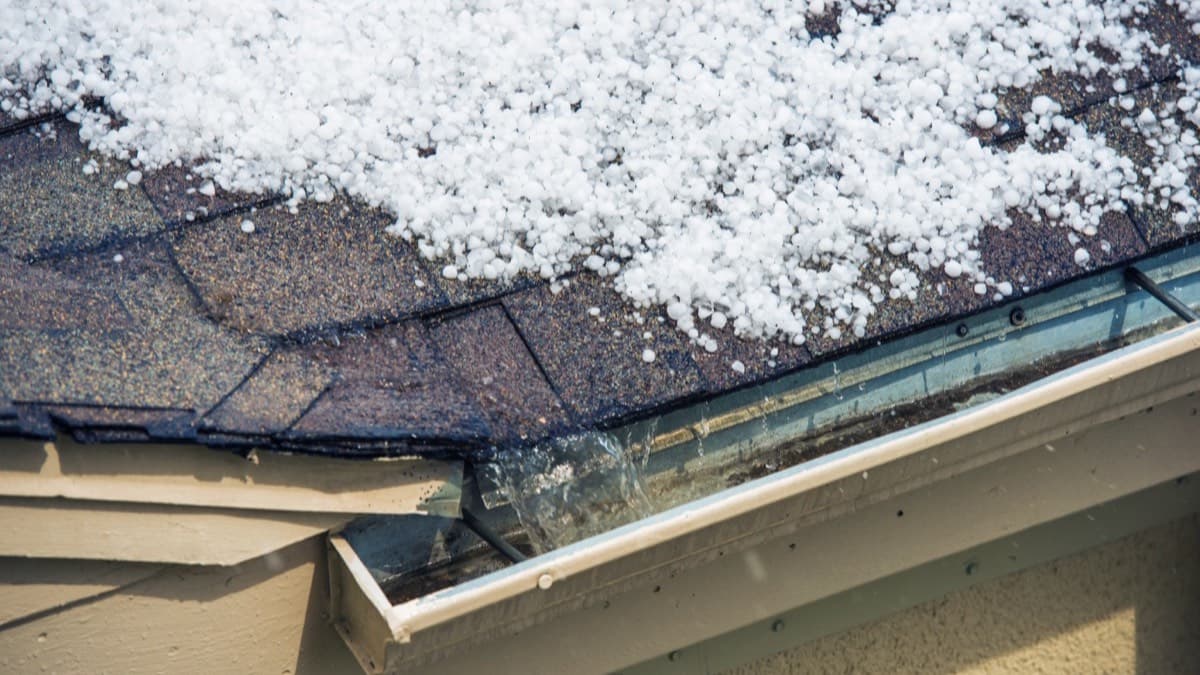
- After a hurricane, a tornado or a hailstorm
- From where
- The ground only
- Repairs
- A roofing contractor
A look twice a year, in spring and fall, finds problems early, when they're easier to fix and before they spread. Look again after any hurricane, tornado or hailstorm. Do it all from the ground, and leave the climbing to a roofer, since walking on a roof without the experience and the equipment is dangerous.
What you need
- A clear day and a spot in the yard with a view of each side of the roof
- A pair of binoculars, for a closer look
- A phone, for photos of anything you find
Steps
- 1
Walk all the way around the house
Stand far enough back to see each slope of the roof, including where it meets walls and chimneys.
10 min
- 2
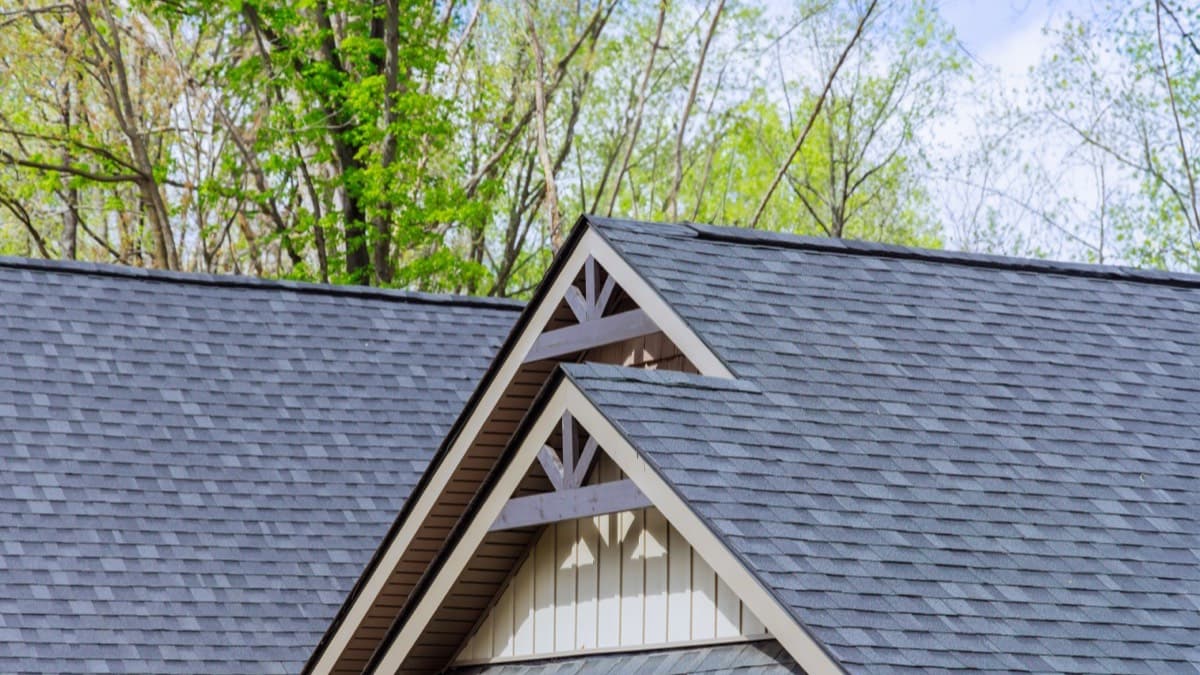
Look over asphalt shingles
Curling or splitting shingles are a sign of wear. Note any shingles or tabs that are loose, torn or missing.
5 min
- 3
Look over tile, slate, wood or metal
Cracked, broken or missing pieces need repair. On metal, look for dents, loose screws and worn or chipped paint.
5 min
- 4
Check the chimney and the skylights
Look for loose or wavy flashing, missing mortar on the chimney, and cracks around skylights.
5 min
- 5
Look for debris
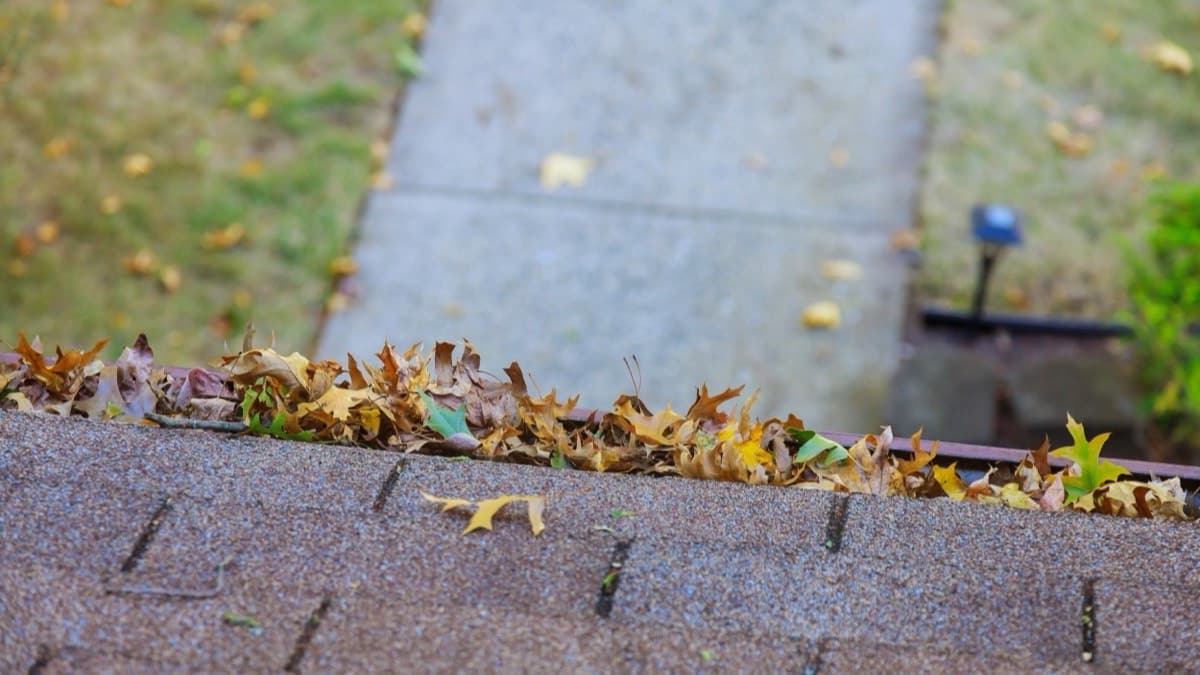
Leaves and branches collect in the valleys and gutters and block drainage. After a storm, look for branches or broken glass on the roof, which can do serious damage.
5 min
- 6
Photograph what you find
Take a photo of each problem, with the side of the house it's on.
5 min
- 7
Book a roofing contractor for any repair
A roofer can inspect up close, clear the debris and make the repairs. Some homeowners have a roofing contractor do all three in one visit, which also takes the climbing off their hands.
10 min
Look over the roof from the ground
- Walk around the house and look over the roof
- Book a roofer for any damage you see
A roof that needs repair is more open to wind, and a leak can lead to water and mold damage in the ceilings, walls, floors and belongings below. After a big storm, get a roofer to inspect quickly. Keep the photos and the roofer's invoices with the house records, so every repair and the date it was made stay together in one place.
FAQ
How often should I check my roof?
At least twice a year, in spring and fall, and again after any severe storm.
Should I climb onto my roof to inspect it?
No. Check it from the ground and have a roofing contractor inspect up close.
What are the signs of a worn shingle roof?
Curling or splitting shingles, and shingles or tabs that are loose, torn or missing.
Sources
Checked October 19, 2026
- National Roofing Contractors Association (trade association). Maintaining residential roof systems (2013)
- National Roofing Contractors Association (trade association). NRCA urges building owners affected by Hurricanes Helene and Milton to use caution when repairing their roof systems (2024)
- Insurance Institute for Business & Home Safety (insurer-funded). Thunderstorm ready home (2026)
- Owner
- Beginner
- Free
- DIY
- Roof