Checklist
After a hail storm, the roof, the siding and the car
Walk the house from the ground after hail, photograph what you find, and have a roofer check the roof for the damage each material shows.
Satisfy+ Editorial · Published May 21, 2026 · 2 min read
At a glance
- Severe hail
- Quarter size, 1 inch, or larger
- Fall speed of 1 to 1.75 inch hail
- About 25 to 40 mph
- The roof
- Inspected by a roofer, not from a ladder
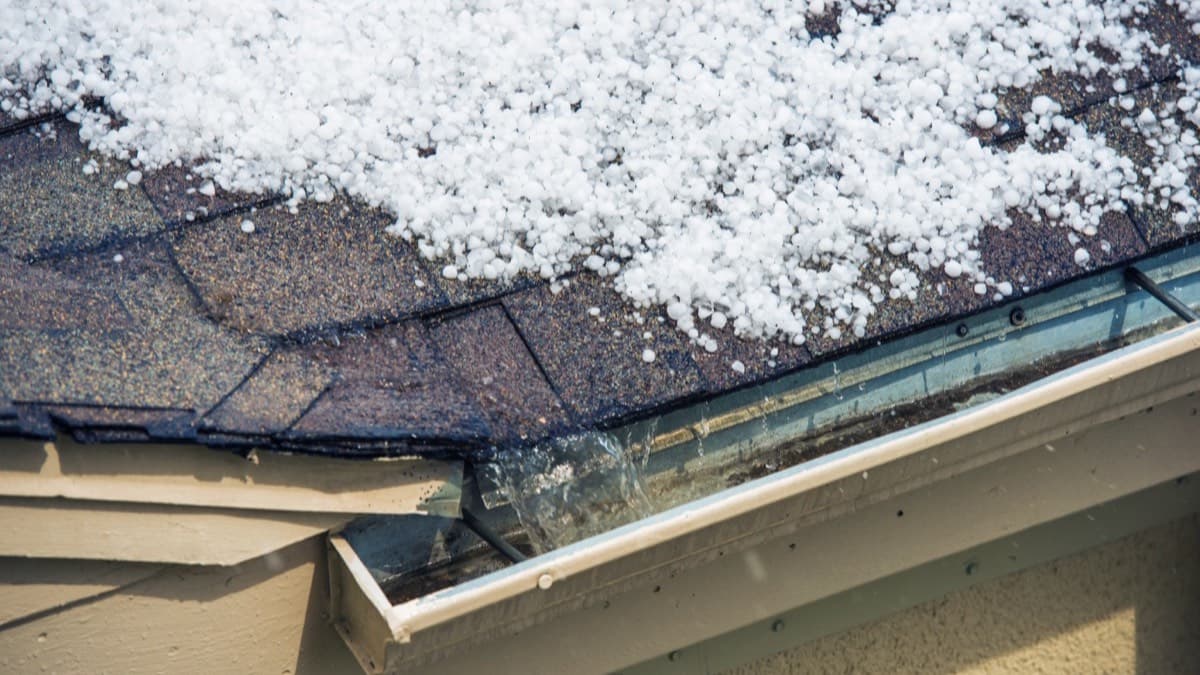
Hail can strike anywhere strong thunderstorms form. Stones the size of a quarter or larger count as severe, and hail from 1 to 1.75 inches across falls at roughly 25 to 40 miles an hour. Strong wind can drive it nearly sideways, which is when it tears siding, breaks windows and blows into the house. Hail falls in swaths that range from a few acres to an area 10 miles wide and 100 miles long. Start the check from the ground once the storm has passed, and take photos of the damage as you go.
From the ground
- Photograph the hail on the ground next to a coin or a ruler
- Look over the siding on every side of the houseHail driven by the wind can tear siding.
- Check every window for cracks or breaks
- Look for dents in the gutters, downspouts and any metal trim
- Check that the gutters are still strapped to the houseHave clogged gutters and downspouts cleared so water drains away from the house, with the downspouts carrying it at least 3 to 4 feet from the foundation.
- Look over the car, including the side windowsWind-driven hail can break a car's side windows. Wait to drive if hail still covers the road, since tires can ride on it as they would on ice.
Check the house and the car after hail
- Photograph the siding, windows and car from the ground
- Book a licensed roofer to inspect the roof
- Clear the garage so the car fits before the next storm
The roof, by a roofer
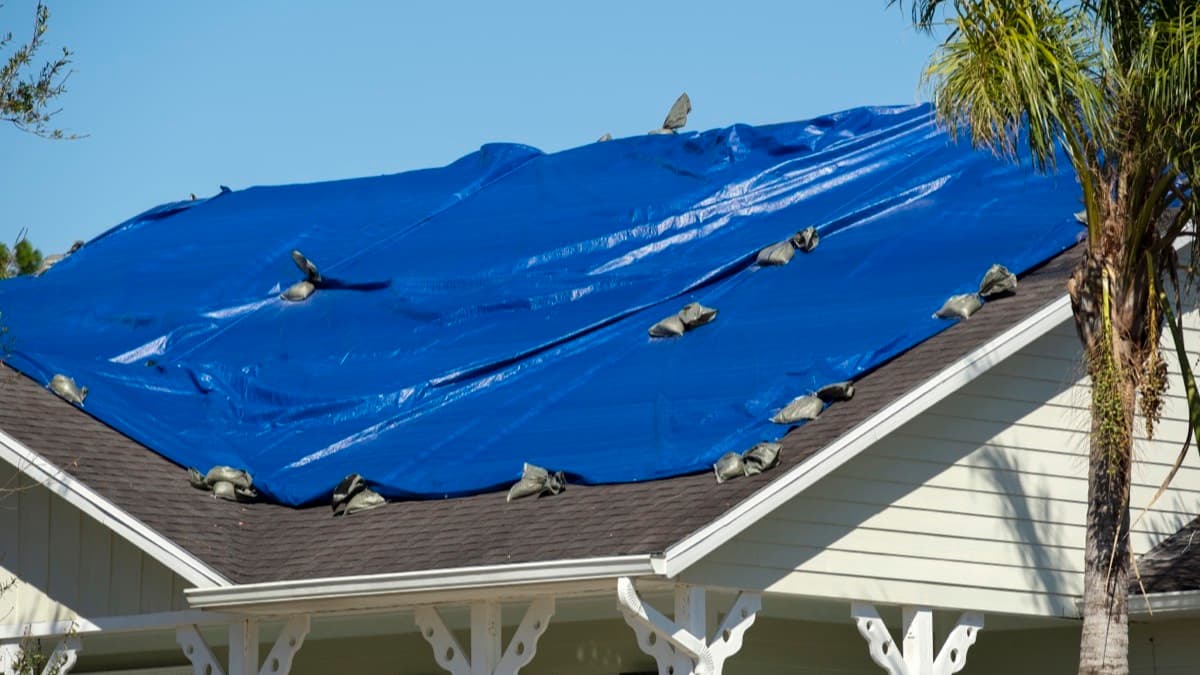
Have a licensed roofer inspect the roof rather than climbing up.
- Asphalt shingles that are curled, loose, torn or missing
- Clay, concrete or slate tiles that are cracked, loose or missing
- Metal panels with dents, loose screws, worn washers or chipped paintPaint that's worn off leaves the metal open to rust.
- Skylights with cracks, loose flashing or leaks
- Chimney flashing that leaks, or missing mortar
- Roof valleys or seams leaking under the roof covering
A roof that needs repair is more open to high winds, and a leak can lead to water and mold damage in the ceilings, walls, floors and belongings below.
Before the next storm
- Clear the garage so the car can park inside when hail is forecast
- Have overhanging branches trimmed by an arborist
- Make a video of the belongings in each room, cabinets and closets openStore the video in the cloud, so it survives whatever happens to the house.
FAQ
What size hail is considered severe?
Quarter size, about 1 inch across, or larger.
Should I climb on the roof to check for hail damage?
No. Check what you can from the ground and have a licensed roofer inspect the roof.
How fast does hail fall?
Hail 1 to 1.75 inches across falls at about 25 to 40 miles an hour.
Sources
Checked October 19, 2026
- Insurance Institute for Business & Home Safety (insurer-funded). Thunderstorm ready home (2026)
- NOAA National Severe Storms Laboratory. Severe weather 101: hail basics (2026)
- Exterior
- Car
- Hail
- Owner
- Roof