Checklist
The chimney sweep and inspection before the first fire
Book a yearly chimney inspection before the first fire, know what a complete sweeping covers, and learn the signs of a past chimney fire.
Satisfy+ Editorial · Published August 17, 2026 · 2 min read
At a glance
- Inspection
- Every year, even for a fireplace you rarely use
- Sweeping
- At 1/8 inch of soot, or sooner if there's glaze
- Gas furnace flues
- Inspected yearly too
- Burn
- Only seasoned wood
Have each chimney, fireplace and vent inspected at least once a year for soundness, deposits and clearances, and cleaned or repaired when needed. That applies to a fireplace you hardly use, because animals nest in flues and masonry wears. Book the visit in early fall, before the first cold night.
Booking the visit
- Ask for a Level 1 inspection and a sweeping
- Confirm the sweep's certification and insurance before the visit
- Include every chimney in the houseA gas furnace's flue can be blocked by a nest or debris, so it needs the yearly inspection too.
Get the chimney ready before the first fire
- Book a chimney inspection and sweeping
- Check that the damper opens fully
- Store a supply of seasoned wood for the fireplace
What a complete sweeping covers
- The flue and the smoke chamber, not only the fireboxA sweep who brushes the bricks you can see and leaves the flue hasn't done a full sweeping.
- Mechanical brushing, not a chemical log aloneChemical cleaners can loosen creosote, but the loose debris still has to be swept out.
- Sweeping at 1/8 inch of soot in a masonry fireplaceAny shiny glaze of creosote calls for sweeping sooner. A factory-built fireplace needs sweeping whenever buildup appears, because the deposits corrode it.
Signs of a past chimney fire
A chimney fire can burn slowly and unnoticed and still reach about 2,000°F, hot enough to crack flue tiles and melt mortar. If the sweep finds any of these, the chimney needs repair before the next fire.
- Warped metal on the damper, the connector pipe or a metal chimney
- Cracked or collapsed flue tiles, or tiles with chunks missing
- Signs of smoke escaping through the mortar joints
- Puffy, honeycombed creosote in the flue
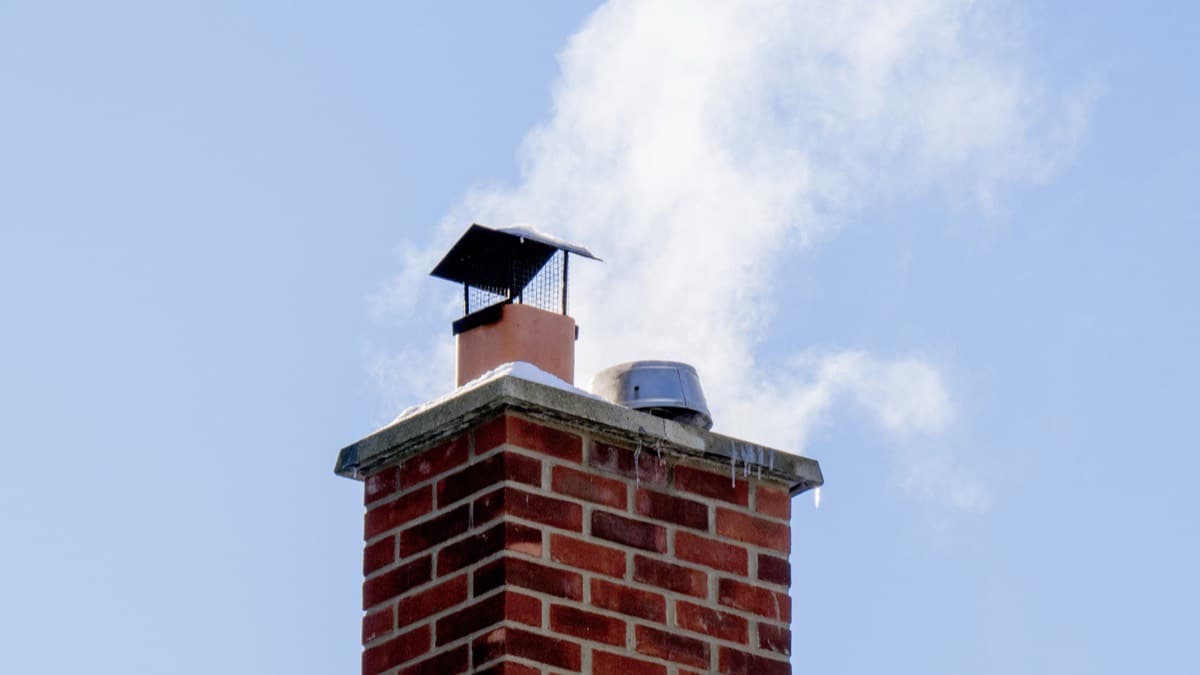
- A discolored or warped rain cap
- Creosote flakes on the roof or the ground, or roofing damaged by hot creosote
Between visits
- Open the damper fully before you light a fireShine a flashlight up the chimney to check. A closed damper fills the room with smoke and can start a fire.
- Burn only seasoned woodWet wood burns cooler and leaves more creosote, and so does a fire starved of air.
- Keep wrapping paper, pizza boxes and foam out of the fireplace
A chimney fire you can hear sounds like loud cracking and popping, or a low rumble like a freight train, and flames or dense smoke may shoot from the top. Get everyone out and call 911.
FAQ
How often does a chimney need inspecting?
Once a year, whether or not you use the fireplace much.
Does a gas furnace chimney need inspecting?
Yes. Nests and debris can block it, so it needs the yearly inspection too.
Do chimney cleaning logs replace a sweep?
No. They can loosen creosote, but the chimney still needs mechanical sweeping and an inspection.
Sources
Checked October 19, 2026
- Chimney Safety Institute of America. Homeowner resources (2026)
- Chimney Safety Institute of America. Preventing chimney fires (2026)
- Hire
- Owner
- Fall
- Fireplace