How-to
Burning wood cleaner, with dry firewood and a hot fire
Season firewood at least six months to under 20 percent moisture, stack it off the ground with only the top covered, build a hot fire instead of a smolder, and keep the ashes in a metal can.
Satisfy+ Editorial · Published August 14, 2026 · 2 min read · 30 min to do · Free
At a glance
- Seasoned
- At least six months
- Moisture
- Under 20 percent
- Stacked
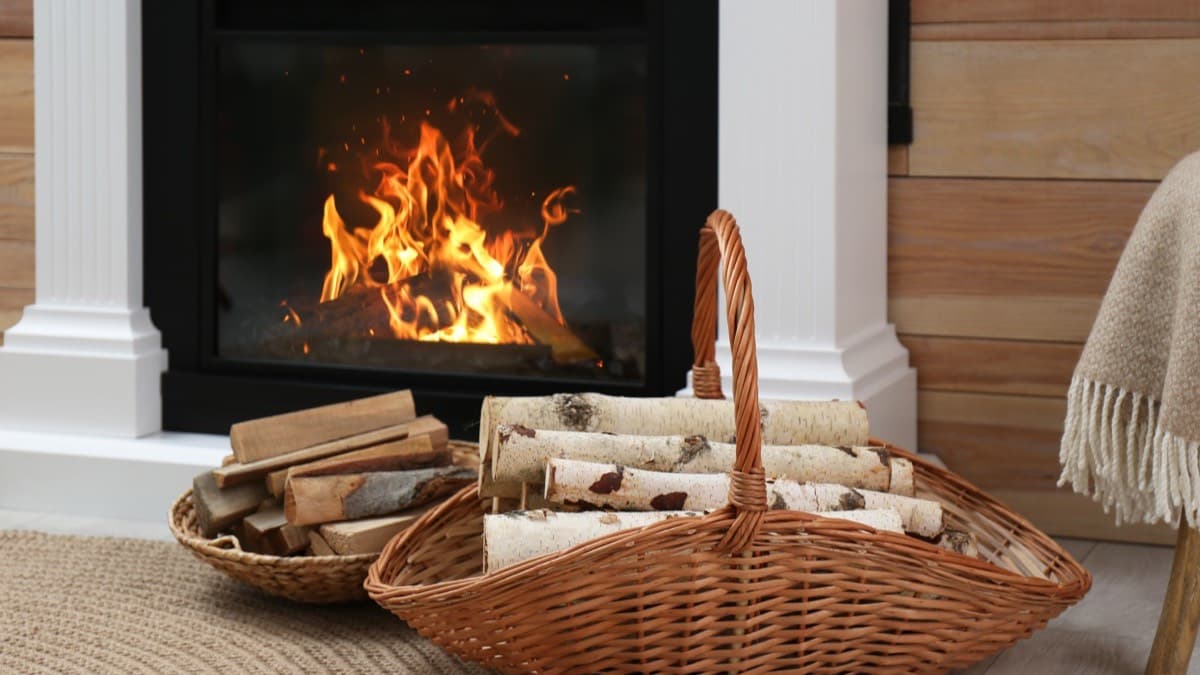
- Outdoors, off the ground, top covered
- The fire
- Hot, never a smolder
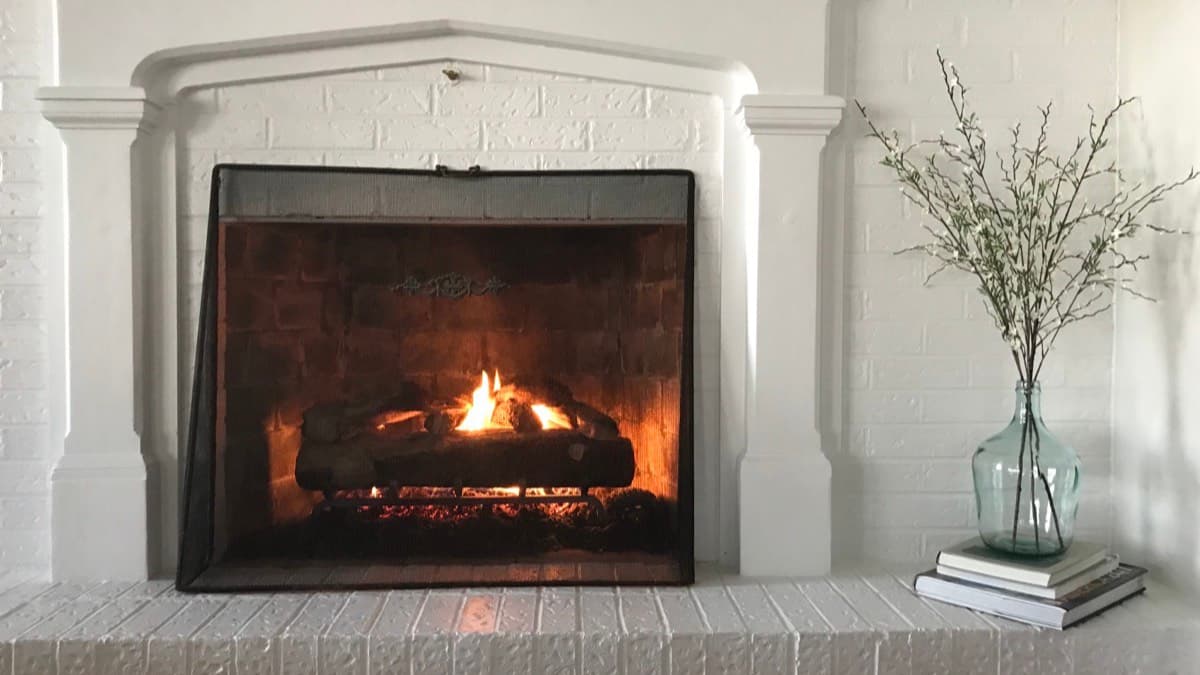
A wood stove or fireplace that's installed and used correctly makes very little smoke. Smoke you regularly see or smell points to a problem, and the fix usually starts with the wood and how the fire is built. A hot, efficient fire needs dry wood, the right amount of it and a good start.
What you need
- Split firewood
- A rack or pallets to keep it off the ground, and a cover for the top
- Newspaper and dry kindling
- A covered metal container for the ashes
- A wood moisture meter, if you have one
Steps
- 1
Stack it to dry
Store the wood outdoors, off the ground, with only the top covered. Covering the sides traps moisture in.
15 min
- 2
Give it six months
Season the wood for at least six months before burning it. Never burn wet or green wood.
1 min
- 3
Check it's seasoned
Seasoned wood is darker, weighs less, and sounds hollow when you knock two pieces together. Wood burns best at under 20 percent moisture, which a wood moisture meter shows.
3 min
- 4
Clear around the stove
Keep curtains, furniture, newspapers and books away from the stove or fireplace.
2 min
- 5
Start it right
Use newspaper, dry kindling or all-natural fire starters. Never start a fire with gasoline, kerosene or charcoal lighter fluid.
5 min
- 6
Keep it hot
In most stoves and fireplaces, a smoldering fire is neither safe nor efficient. Keep a stove's doors closed except to load or stoke it, since carbon monoxide and other harmful gases can get into the house.
1 min
- 7
Look at the chimney
Once the fire is going, step outside and look at the chimney. A well-built fire in dry wood makes very little smoke.
2 min
Burn dry wood this winter
- Store the firewood off the ground, top covered only
- Check the firewood is seasoned before the first fire
- Empty the ashes into a covered metal can outside
What not to burn
These can release toxic chemicals when burned, and can damage the stove or fireplace:
- Household trash, including cardboard, plastics, foam, and the colored ink on magazines, boxes and wrappers
- Coated, painted or pressure-treated wood
- Ocean driftwood, plywood, particle board, or any wood with glue on it or in it
- Wet, rotted, diseased or moldy wood
- Plastic, rubber, asbestos, manure and animal remains
Many wax and sawdust logs are made for open fireplaces only, so check the stove or insert's instructions before using one.
The ashes
Empty the ashes regularly into a covered metal container, and store it outdoors on a surface that won't burn. Keep a fire extinguisher handy too. How to use a home fire extinguisher covers using one.
Local firewood
Burn firewood cut near where you live, so you don't bring invasive forest pests onto your property. Check the local air quality forecast before you light a fire.
FAQ
How long does firewood need to season?
At least six months, until it's under 20 percent moisture.
How can I tell if firewood is dry?
Seasoned wood is darker, weighs less, and sounds hollow when two pieces are knocked together.
Sources
Checked October 19, 2026
- U.S. Environmental Protection Agency. Best wood-burning practices (2026)
- Owner
- Beginner
- Winter
- Free
- Fireplace
- DIY