Explainer
Heat pumps for people who grew up with a furnace
Learn how a heat pump heats and cools a house, and what changes in its settings and upkeep once it replaces a furnace.
Satisfy+ Editorial · Published September 9, 2026 · 3 min read
At a glance
- How it heats
- Moves heat in from the outside air
- Heat delivered
- Up to 3 times the electricity it uses
- Certified down to
- 5°F
- Best setting
- One comfortable temperature, left alone
A furnace makes heat by burning gas or oil, or by running electricity through a heating element. A heat pump moves heat that's already outside into the house. That's why an air-source heat pump can deliver up to three times as much heat as the electricity it uses. Compared with an electric furnace or baseboard heaters, it can cut the electricity used for heating by about half.
How a heat pump heats and cools
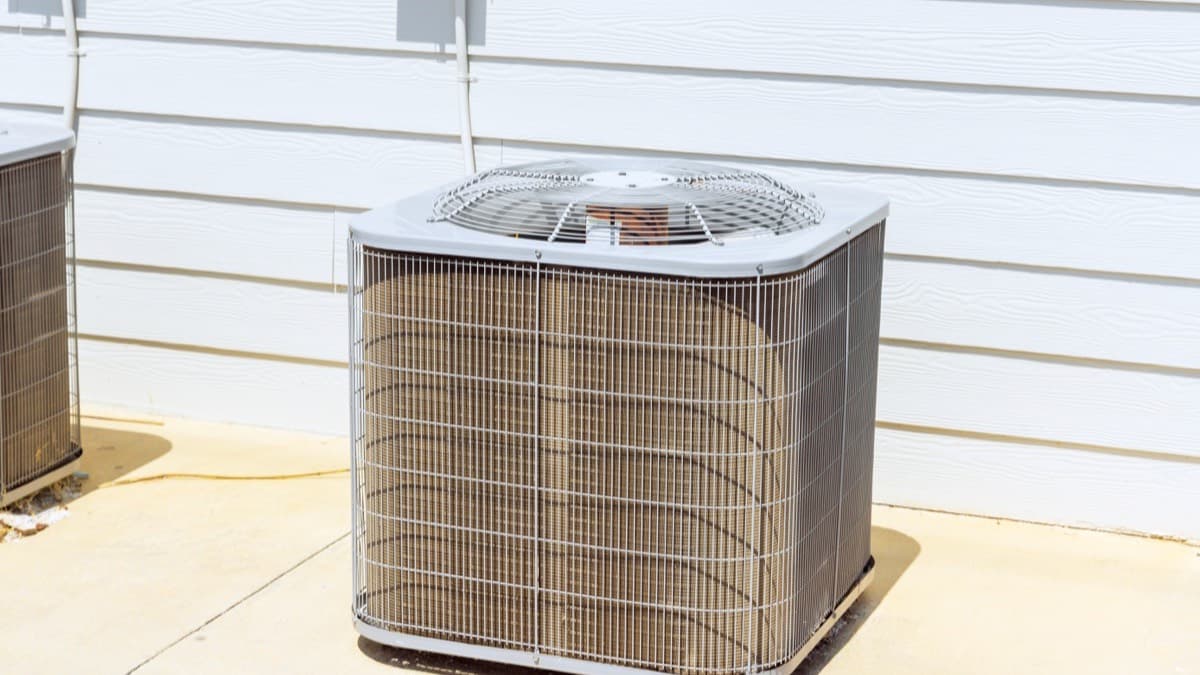
In winter, a heat pump pulls heat from the outside air and brings it indoors. In summer it runs the other way and pulls heat out of the house. A ducted heat pump works like a central air conditioner that can also run in reverse.
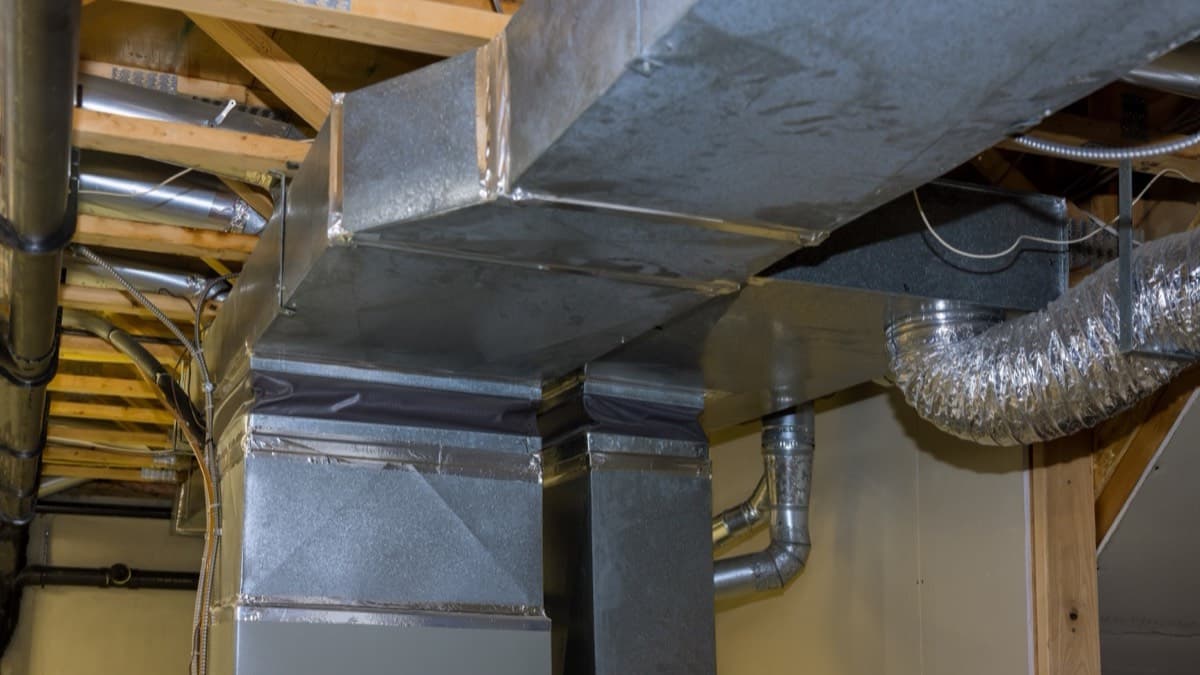
A ducted heat pump connects to the same forced-air ducts most American homes already have. In most climates it can go in as a direct replacement when either the central air conditioner or the furnace needs replacing.
The kinds you'll hear about
- Ducted air-source. One outdoor unit, using the house's existing ducts.
- Mini split, or ductless. Indoor heads mounted on a wall or ceiling, with an outdoor unit and no ducts. They suit older homes with radiators or baseboard heat, additions, and rooms with hot or cold spots.
- Geothermal. It draws heat from the ground instead of the air, and is among the most efficient types.
- Dual fuel. A heat pump paired with a gas or oil furnace, so either one can heat the house.
What changes when the furnace is gone
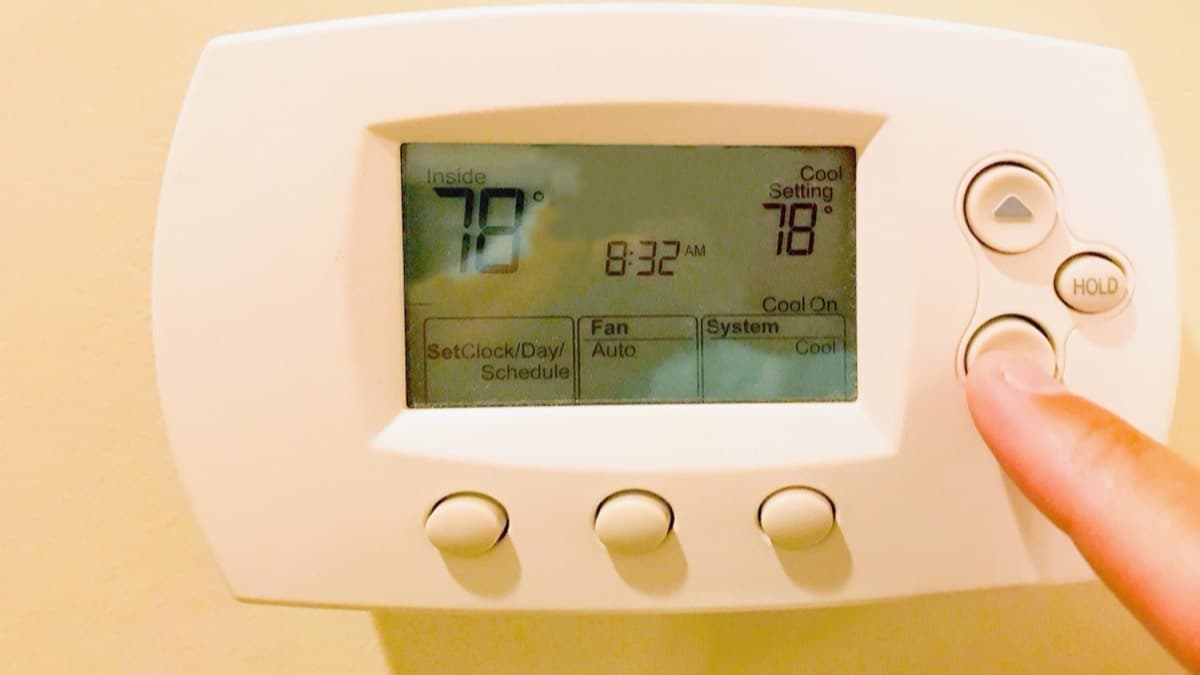
- Leave the temperature alone. Unlike a furnace, a heat pump doesn't save energy when you turn it down while you're away or asleep. A manual setback can also switch on the backup electric heat, which costs more. A thermostat built for heat pumps is the exception.
- Set the mode to Heat or Cool, not Auto. On Auto, the system can switch modes on an unseasonably warm or cold day.
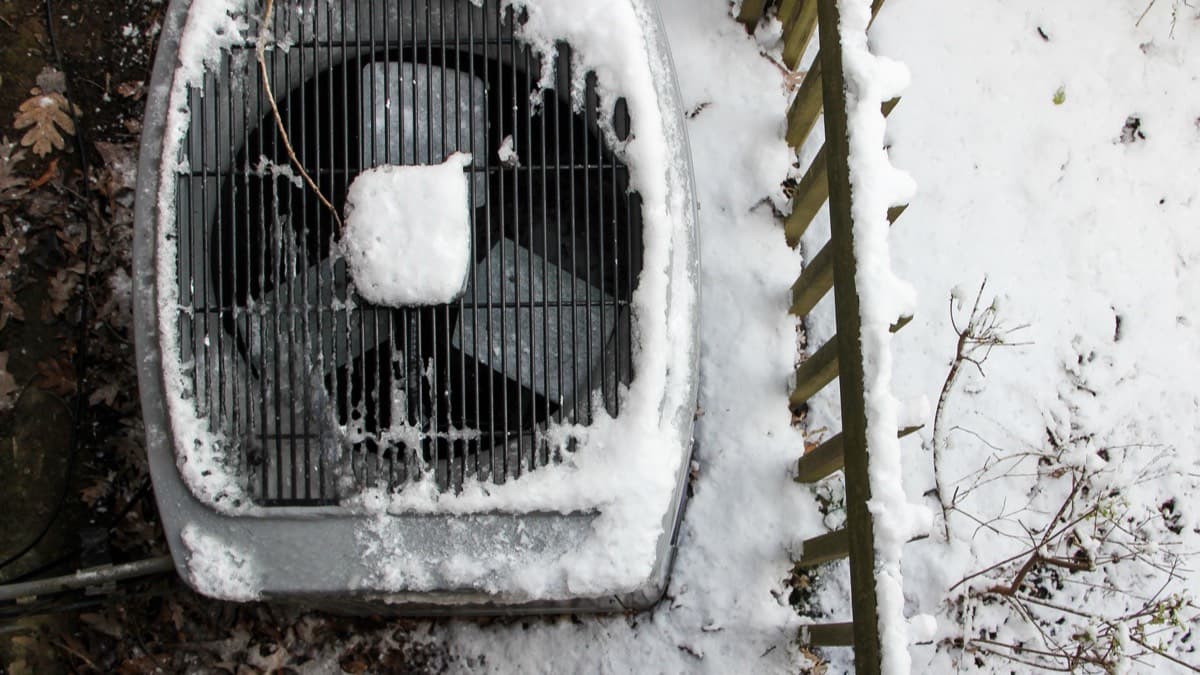
- Leave the outdoor unit uncovered. An air conditioner's outdoor unit can be covered for winter, but a heat pump needs its outdoor unit open to run.
- Clean the filters. Clean them when they look dirty or when the filter light comes on.
- Book a check-up each spring and fall. A heat pump both heats and cools, so it gets both seasonal visits. Follow the maker's maintenance schedule too.
In a cold climate
Many new certified heat pumps heat well even in the coldest climates. Certification tests their performance down to 5°F, and they keep working below that. When it gets colder still, a backup heat source is the most efficient way to heat the house. If your winters regularly drop below freezing, ask the contractor about a model suited to your climate.
Sizing is the contractor's job
A heat pump that's too large or too small will struggle to keep the house comfortable. A Manual J calculation works out how much heating and cooling the house needs.
An annotated example
What to do next
Find the model of your heat pump and its manual. The manual shows where the filters are and how the thermostat handles backup heat. If you're replacing a furnace or air conditioner, ask the contractor for the Manual J sizing calculation in writing.
Run the heat pump the way it works best
- Book the heat pump check-up
- Set the heat pump to one steady temperature
- Clean the heat pump filters when they look dirty
- Check that the outdoor unit is clear of snow and leaves
FAQ
Does a heat pump work in the winter?
Yes. Certified models are tested down to 5°F, and they keep working below that.
Should I turn the heat pump down at night?
No. A heat pump doesn't save energy from a setback, so pick one temperature and leave it.
Sources
Checked October 19, 2026
- ENERGY STAR. Air-source heat pumps (2026)
- ENERGY STAR. Ductless heating and cooling (2026)
- U.S. Department of Energy. Energy Saver: Tips on saving money and energy in your home (2022)
- U.S. Environmental Protection Agency, ENERGY STAR. A guide to energy-efficient heating and cooling (2009)
- Cold
- HVAC
- Owner
- Winter