Guide
Preventing frozen pipes, and the first hour if one bursts
Learn which pipes freeze first, protect them before and during a cold snap, and know what to do in the first hour if a pipe freezes or bursts.
Satisfy+ Editorial · Published October 12, 2026 · 3 min read
At a glance
- Most at risk
- Outdoor faucets, and pipes in unheated spaces or on outside walls
- Cold nights
- A dripping faucet and open cabinet doors
- Away from home
- Heat no lower than 55°F
- If one bursts
- Shut off the water at the main valve
Water expands as it freezes, and the pressure can break a metal or plastic pipe. A few jobs in the fall and a routine on the coldest nights help keep pipes from freezing.
The pipes that freeze first
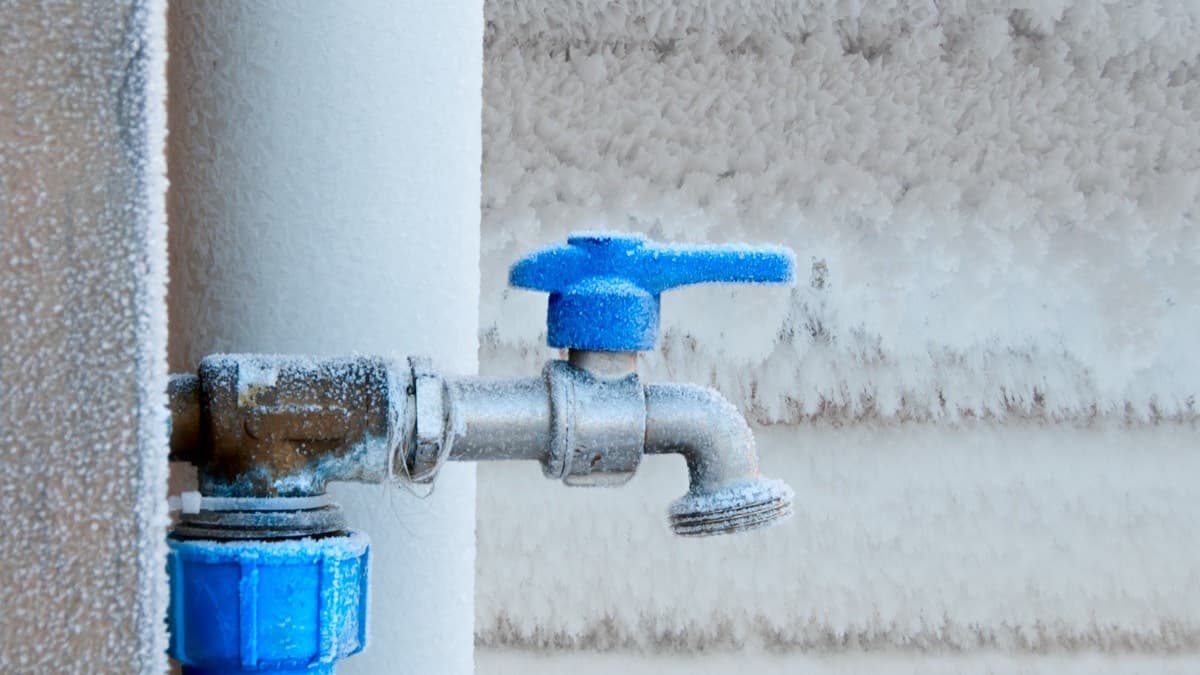
- Pipes exposed to severe cold. These include outdoor hose faucets, pool supply lines and sprinkler lines.
- Pipes in unheated spaces. Basements, crawl spaces, attics, garages and kitchen cabinets all count.
- Pipes along outside walls. The risk is highest where the wall has little or no insulation.
Before the first freeze
Remove, drain and store the outdoor hoses. Close the indoor valves that feed the outdoor faucets, then open the outdoor faucets so they drain. Leave them open, so any water left in the pipe has room to expand. Drain pool and sprinkler supply lines as the manufacturer or installer directs.
Add insulation to the attic, the basement and the crawl space, which keeps those spaces warmer. Look in the garage and under the kitchen and bathroom cabinets for other pipes in unheated spots, and insulate both the hot and the cold lines there. Pipe sleeves work on exposed pipes, and so does UL-listed heat tape or heat cable. Don't put antifreeze in pool or sprinkler lines unless the directions say to.
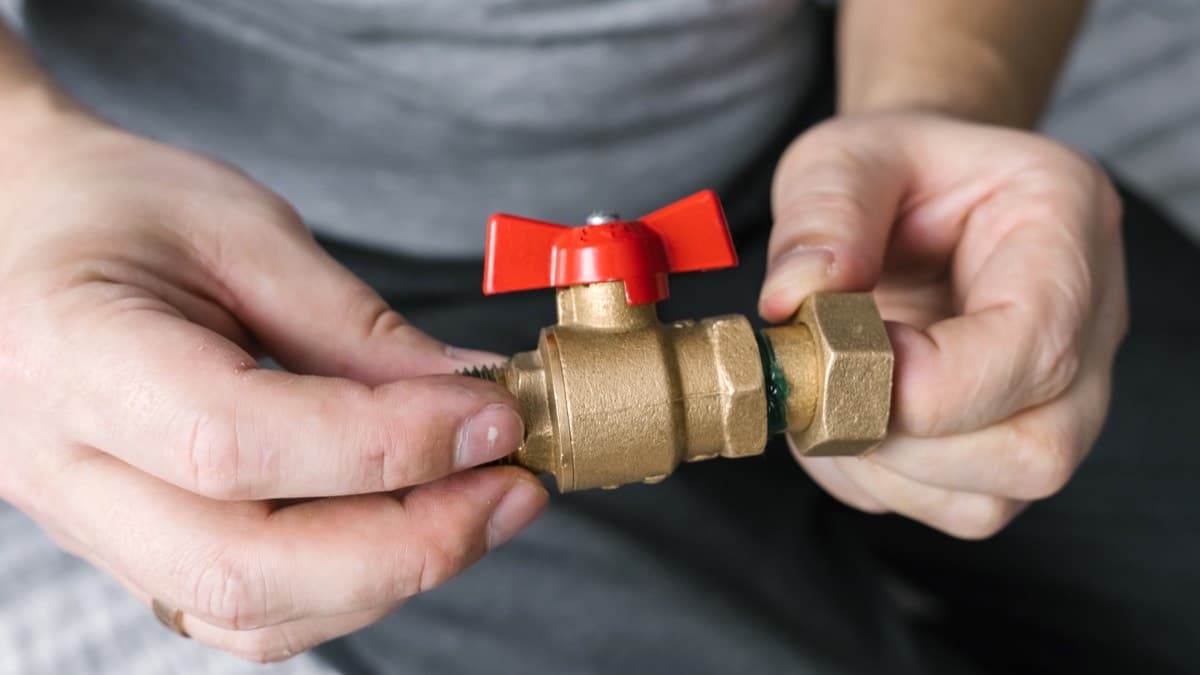
Find the main water shutoff valve now, so you can close it fast if a pipe breaks.
On the coldest nights
- Let a faucet drip. Water moving through a pipe, even at a trickle, helps keep it from freezing. Use a faucet served by exposed pipes, such as one on an outside wall.
- Open the cabinet doors under the sinks. Warmer air then reaches the pipes. Move cleaners out of children's reach first.
- Keep the garage door closed if water lines run through the garage.
- Hold the thermostat steady day and night. Skipping the lower nighttime setting may raise the heating bill, but a burst pipe costs far more to repair.
- Leave the heat on if you're away. Set it no lower than 55°F, and have someone check the house each day to make sure the heat is still on. For a long absence, drain and shut off the water system instead.
The first hour if a pipe freezes or bursts
A faucet that gives only a trickle may have a frozen pipe behind it. If a pipe has frozen or burst:
- If it burst, shut off the water. Close the main shutoff, then deal with the water.
- If it's frozen, keep the faucet open. As the ice melts, the moving water helps melt the rest.
- Warm the pipe. Use an electric heating pad wrapped around it, a hair dryer, towels soaked in hot water, or a space heater kept away from anything that can burn. Keep going until full water pressure is back. Watch for electric shock around any standing water.
- Never use an open flame. Don't thaw a pipe with a blowtorch, a kerosene or propane heater, a charcoal stove or any other flame.
- Check the other faucets. If one pipe has frozen, others may have too.
Call a licensed plumber if you can't find the frozen spot, can't reach it or can't thaw it. Likely spots are along outside walls and where the water line enters the house through the foundation.
An annotated example
What to do next
Before winter, disconnect the hoses, close the indoor valves to the outdoor faucets and find the main shutoff. Some water monitoring devices can also send an alert when pipes are at risk of freezing.
Get the pipes through a freezing night
- Disconnect and drain the garden hoses
- Close the indoor valves to the outdoor faucets
- Open the cabinet doors under sinks on exterior walls
- Let a cold faucet drip on very cold nights
- Keep the heat at 55 degrees or higher when away
FAQ
What temperature should I leave the heat at when I'm away in winter?
No lower than 55°F.
Should I drip the faucets when it's freezing?
Yes. A slow drip from a faucet on exposed pipes helps keep them from freezing.
Sources
Checked October 20, 2026
- American Red Cross. Frozen pipes (2026)
- National Weather Service, Albany, New York. Cold weather safety tips (2019)
- U.S. Environmental Protection Agency, WaterSense. Know your flow and curb water waste: a WaterSense guide to leak detection and flow monitoring devices (2026)
- Cold
- Owner
- Plumbing
- Winter storm
- Winter
- Tenant