Explainer
Leak sensors and automatic water shutoff valves
Learn how moisture sensors, flow monitors and automatic shutoff valves catch a leak, what each one misses, and what upkeep each needs.
Satisfy+ Editorial · Published May 21, 2026 · 3 min read

At a glance
- Moisture sensors
- Watch one spot, such as behind the washer
- Flow monitors
- Watch the whole house from the main line
- Automatic shutoff
- Stops the water when a leak is found
- Water damage claims
- 1.5 percent of homeowners a year, about $15,400 each (2019 to 2023)
Leak detection devices come in two kinds. Some sense water where it shouldn't be, and others watch how much water is flowing. Some of either kind can also close a valve and stop the water. From 2019 to 2023, 1.5 percent of homeowners filed an insurance claim for water damage or freezing, and the claims averaged $15,400.
Moisture sensors at one spot
A moisture sensor sits on the floor in a spot prone to leaks and alerts you when it gets wet. Good spots are behind the clothes washer, near the water heater, near an air conditioner and under a sink drain. Most run on batteries, and you can place them yourself. When one goes off, you know exactly where the leak is.
A sensor only catches water at its own spot. High humidity can set off one whose sensitivity can't be adjusted.
Flow monitors on the main line
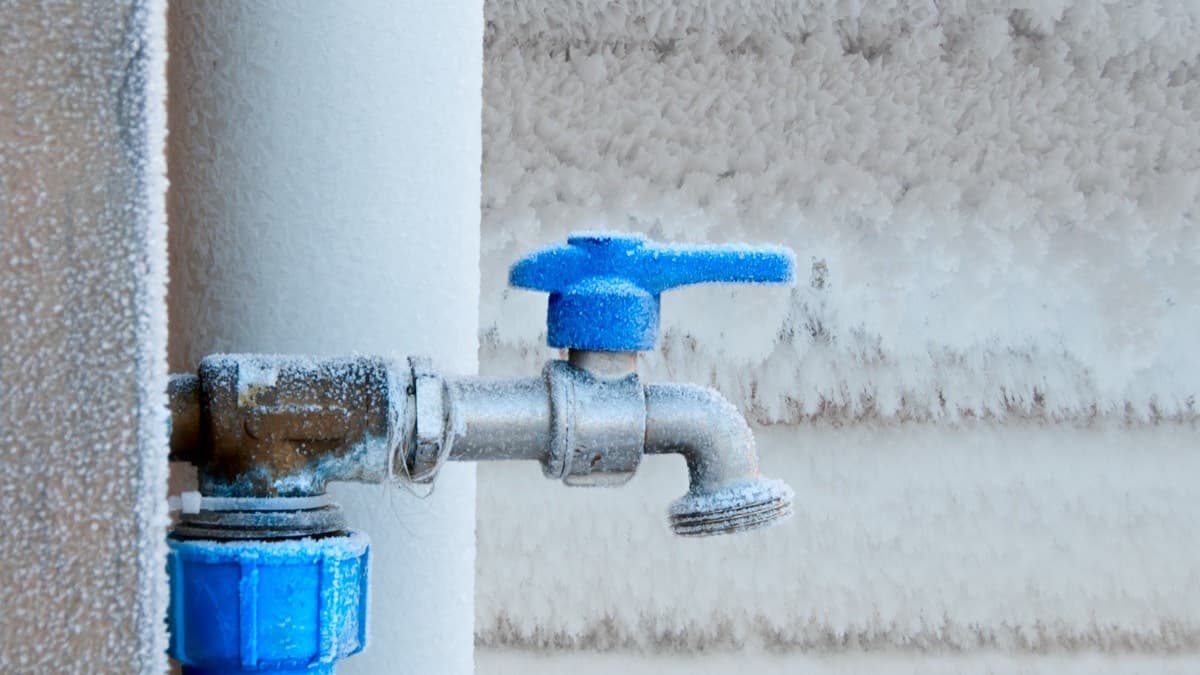
A flow monitor on the main water line watches the whole house's water use. It alerts you when water flows without stopping or in an unusual pattern. Many also track the temperature and warn of freezing pipes.
A flow monitor can't see a leak that isn't part of the water supply, such as an air conditioner's condensate, a roof leak or a dripping drain pipe. When it alerts, it doesn't say where the leak is. An in-line model usually needs a plumber to install it, while some clamp-on monitors can be fitted by the homeowner.
Automatic shutoff valves
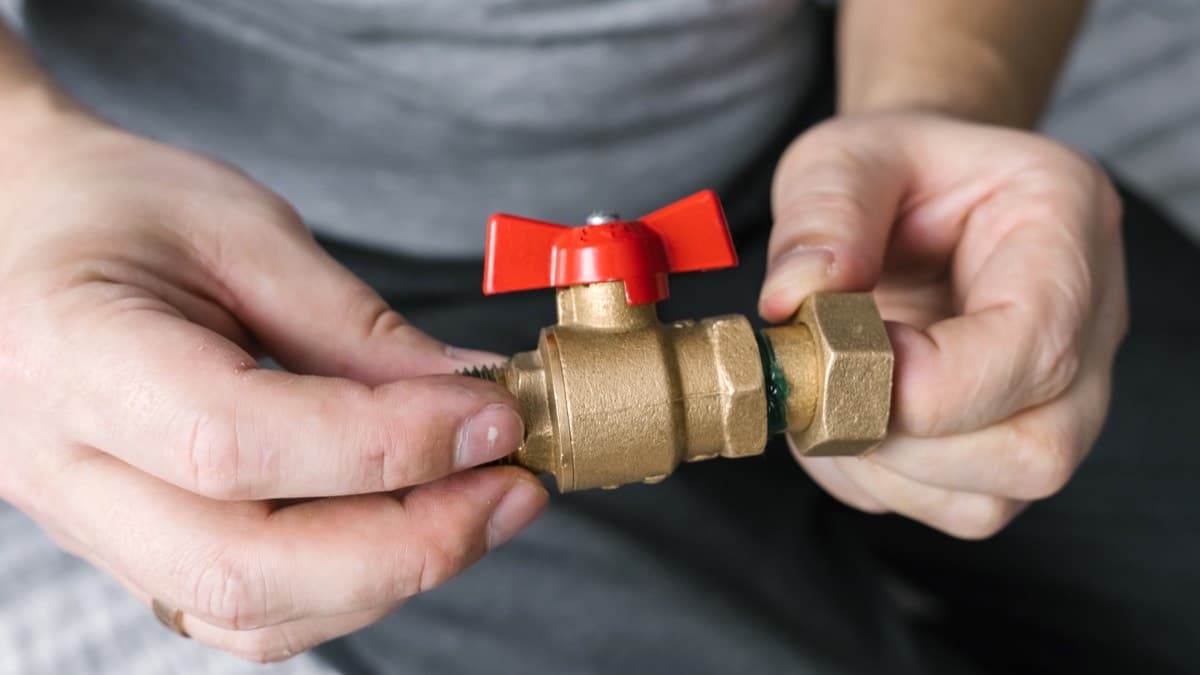
In-line monitors on the main line usually include a shutoff valve. A moisture sensor can also be paired with a shutoff valve on the main, so water found in one room shuts off the whole house. A shutoff stops the water from a burst pipe or a failed washer hose at the main. A device with a shutoff usually costs more than one without.
What to check on a device
- The alert. In a basement, a phone alert may work better than a beeper.
- A shutoff. It helps most in a vacation home nobody lives in full time.
- The pipe size. The shutoff valve has to fit your main line.
- Power. It needs an outlet nearby, and a battery to keep working in an outage.
- Fire sprinklers. The device can't cut off water to a fire sprinkler system.
- Certification. Look for ANSI/CAN/IAPMO Z1349, the standard for these devices.
Keeping it working
Once a year, check that each leak detection or flow monitoring device works, and test it the way its manual describes. A flow monitor also needs recalibrating from time to time to keep its readings accurate. Keep moisture sensors clean and in place. Dust and grime build up on them, and they get moved by accident or by kids and pets.
An annotated example
What to do next
If you already have sensors, list where each one is, check the batteries and test them as the manual describes. If your water utility offers leak alerts, sign up.
Keep the leak sensors working
- List where each leak sensor is in the house
- Test the leak sensors and shutoff valve
- Ask the water utility about leak alerts
FAQ
Can a leak sensor shut off the water?
Only if it's paired with an automatic shutoff valve on the main line. On its own, a moisture sensor only sounds an alert.
Do I need a plumber to install a water shutoff valve?
Usually, for an in-line device on the main line.
Sources
Checked October 19, 2026
- U.S. Environmental Protection Agency, WaterSense. Know your flow and curb water waste: a WaterSense guide to leak detection and flow monitoring devices (2026)
- U.S. Environmental Protection Agency, WaterSense. Home maintenance (2026)
- $100 to $1,000
- Owner
- Plumbing