Explainer
Hard water and the scale it leaves
Learn what makes water hard, how hardness is measured, and what the scale does to a water heater, pipes, fixtures and laundry.
Satisfy+ Editorial · Updated September 19, 2026 · 3 min read
At a glance
- What it is
- Dissolved calcium and magnesium in the water
- Soft
- 0 to 60 milligrams per liter
- Hard
- 121 to 180 milligrams per liter
- Health
- Not a concern, but a nuisance
Hard water carries a lot of dissolved minerals, mostly calcium and magnesium. As water moves through soil and rock it dissolves small amounts of them. A well drilled where those minerals are in the ground can deliver hard water to the house, and so can a water system that draws on groundwater. Hardness varies across the United States. A study of about 2,100 domestic wells found hard water most common in the east-central and western parts of the country.
How you notice it
Soap reacts with the calcium in hard water to form soap scum, so your hands can feel filmy after washing. Getting hands, hair or laundry clean takes more soap or detergent. Spots and film on glasses from the dishwasher are hard-water residue too. They're unsightly but not dangerous. Hard water can even shorten the life of fabrics and clothes.
What the scale does
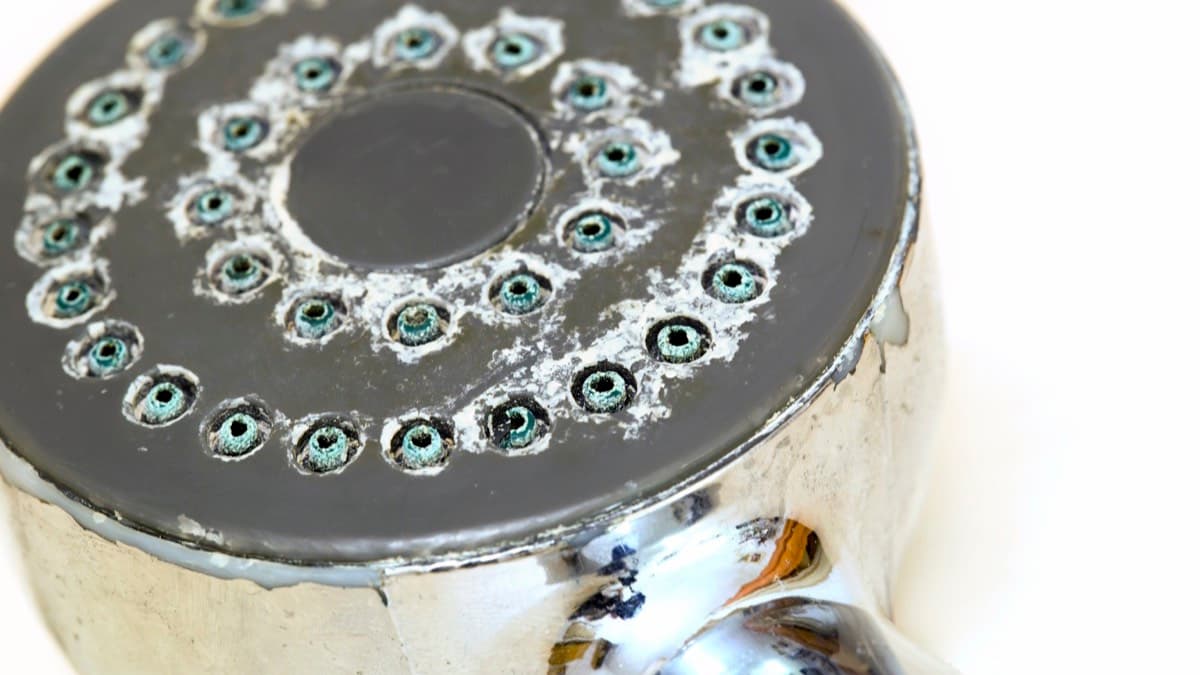
When hard water is heated, as it is in a water heater, solid calcium carbonate deposits form. That scale can:
- Shorten the life of equipment
- Raise the cost of heating water
- Lower the efficiency of an electric water heater
- Build up inside pipes over years, narrowing them and lowering the water pressure
Scale also builds up in a coffee maker. Vinegar, an acid, dissolves the mineral deposits so they rinse away, which is why running it through the pot clears them.
How hardness is measured
Hardness is reported as milligrams per liter (mg/L) of calcium carbonate:
| Hardness | Milligrams per liter |
|---|---|
| Soft | 0 to 60 |
| Moderately hard | 61 to 120 |
| Hard | 121 to 180 |
| Very hard | More than 180 |
National maps show the regional pattern, but they aren't meant for decisions about a single house. For the hardness of your own water, ask the local water utility or the local health agency.
Is hard water bad to drink
Hardness isn't a health concern. Drinking water can even supply some of the calcium and magnesium people need in their diet. The trouble with hard water is the buildup in plumbing, fixtures and water heaters, and soaps and detergents that don't work as well.
An annotated example
What to do next
Ask your water utility, or the local health agency if you're on a well, how hard your water is, and place it in the table above. If it's hard or very hard, watch the water heater and fixtures for scale. Water heater upkeep covers flushing the sediment out of a tank.
Find out how hard your water is
- Ask the water utility for the water's hardness
- Check the showerhead and faucet aerators for scale
FAQ
What causes hard water?
Calcium and magnesium dissolved from the soil and rock that water moves through on its way to a well or a water supply.
Is hard water safe to drink?
Yes. Hardness isn't a health concern. Its trouble is scale in pipes, fixtures and water heaters.
How hard is hard water?
121 to 180 milligrams per liter of calcium carbonate is hard, and more than 180 is very hard.
Sources
Checked October 20, 2026
- U.S. Geological Survey, Water Science School. Hardness of water (2026)
- Appliances
- Owner
- Plumbing
- Water heater