Explainer
The yearly water heater flush and relief valve check
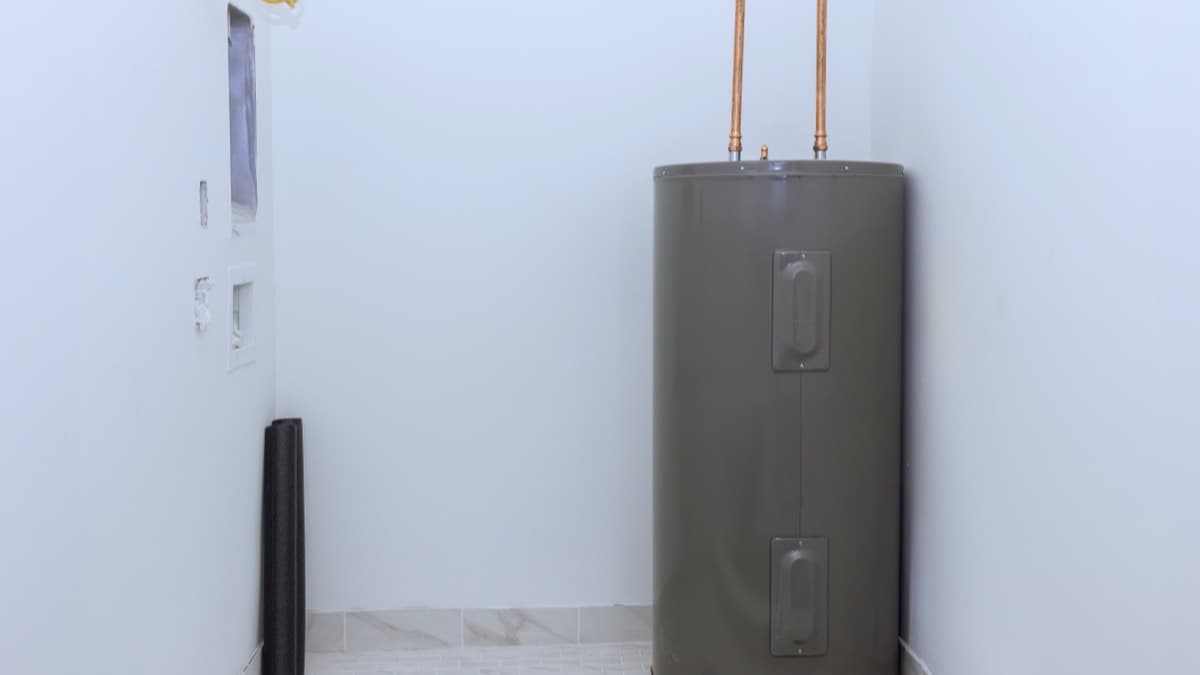
Have the water heater flushed and its relief valve checked once a year, set it to 120°F, and check it for leaks and rust between visits.
Satisfy+ Editorial · Published August 20, 2026 · 2 min read
At a glance
- Yearly
- A flush to clear sediment, and a relief valve check
- In between
- Look for leaks, rust and loose connections
- Setting
- 120°F
- Tank life
- 10 to 15 years
A water heater runs most efficiently with regular maintenance. Having a professional service it at least once a year means every part gets checked.
What a yearly service covers
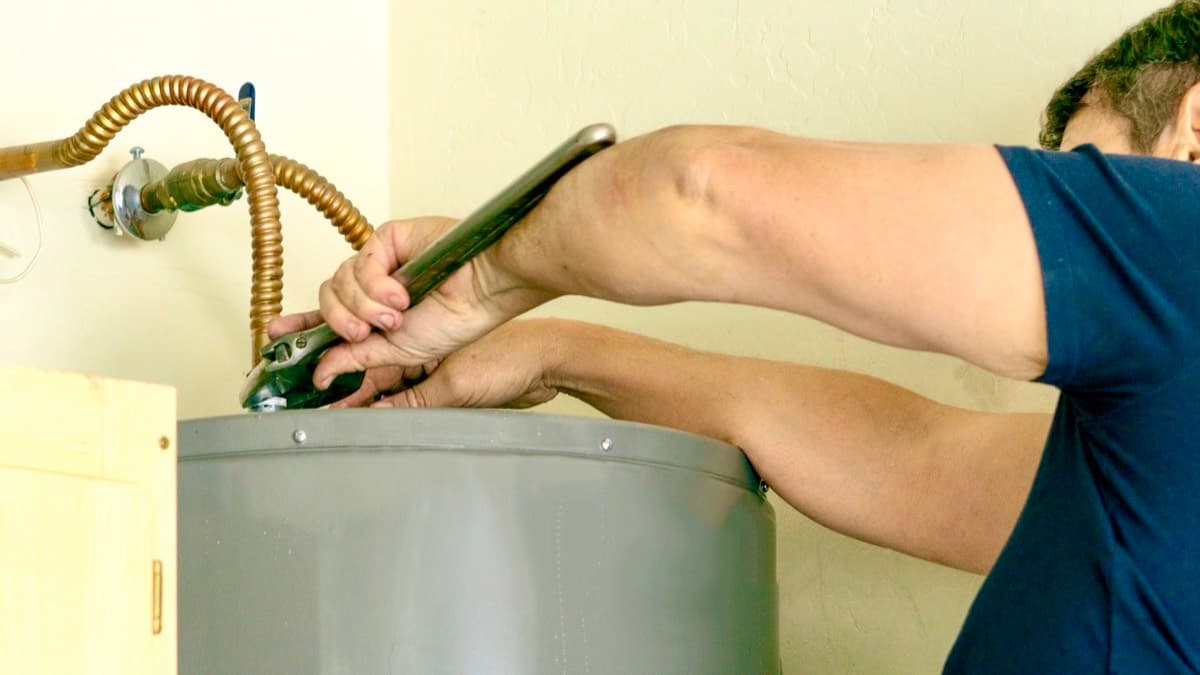
- The flush. Draining the tank once a year clears the sediment that lowers its efficiency. The power is turned off first, then the tank is drained through a garden hose to a place that can take very hot water.
- The relief valve. The temperature and pressure relief valve is tested at least once a year to make sure it works.
Between yearly flushes, draining about a quart of water from the tank every 3 months also clears sediment. Follow the maker's directions, because the water is very hot.
What to look for in between
Check the water heater regularly for leaks, worn gaskets, loose connections or screws, and corrosion. Look for pooling water and rust under the tank.
Settings and savings
Set the water heater to 120°F, a temperature safe for most people. If the tank is warm to the touch, insulating it can save 7 to 16 percent a year on water heating. Insulating the pipes saves another 3 to 4 percent, and on an electric heater, insulating under the tank can save 4 to 9 percent more. Water heating is about 18 percent of a home's energy use.
Cutting the cost of hot water
- Heat traps. Traps on the hot and cold pipes at the heater stop heat escaping, and most new water heaters have them built in.
- Low-flow fixtures. They cut the hot water each shower and sink uses.
- Dripping faucets. A faucet dripping once a second wastes 1,661 gallons a year, which can cost up to $35 a year.
- A recirculating system. A demand recirculating system sends water that has cooled in the pipes back to the heater until it reaches temperature.
A storage water heater lasts 10 to 15 years. Keep the service notes with the heater's records, so its age and history are at hand when you plan a replacement.
An annotated example
What to do next
Find the water heater's manual, or look up the model on the maker's site, and keep it for the technician. Book a yearly service, and between visits, look under the tank for water and rust each time you change the furnace filter.
Keep the water heater serviced
- Book the yearly water heater service
- Look under the water heater for water and rust
- Check the water heater is set to 120 degrees
FAQ
How often should a water heater be flushed?
Once a year, ideally by a professional.
What temperature should a water heater be set to?
120°F.
Sources
Checked October 19, 2026
- U.S. Environmental Protection Agency, WaterSense. Home maintenance (2026)
- U.S. Department of Energy. Energy Saver: Tips on saving money and energy in your home (2022)
- U.S. Environmental Protection Agency, WaterSense. Detect and chase down leaks checklist (2017)
- Owner
- Water heater
- Either