Guide
Humidity, ventilation and filters for cleaner indoor air
Improve the air in your house by cutting pollution at its source, bringing in fresh air, changing the filters, holding humidity at 30 to 50 percent and testing for radon.
Satisfy+ Editorial · Updated October 5, 2026 · 2 min read
At a glance
- Humidity
- Between 30 and 50 percent
- Fresh air
- Open windows, and fans that vent outside
- Filters
- Changed or cleaned as the package says
- Radon
- Test with a do-it-yourself kit
Some pollutants in indoor air cause sore eyes, a burning nose and throat, headaches or fatigue. Others cause or worsen allergies, asthma, heart disease and cancer.
Cut the source first
Removing a source, or cutting what it gives off, is usually the most effective fix. The common sources in a house are:
- Tobacco smoke. Don't let anyone smoke inside the house or the car. Children are especially vulnerable to secondhand smoke.
- Fuel-burning appliances. The major source of combustion pollutants is an improperly vented or unvented fuel-burning appliance. Have them inspected regularly for leaks, and ventilate the rooms where they're used.
- Household products. Paints, cleaners and other products give off volatile organic compounds when used and even when stored. Close them tightly after use, follow the label, and never mix cleaners unless the label says to.
- Mold and dust mites. Controlling moisture controls mold, so dry any water-damaged area within 24 to 48 hours. Wash sheets and blankets weekly in hot water.
Bring in fresh air
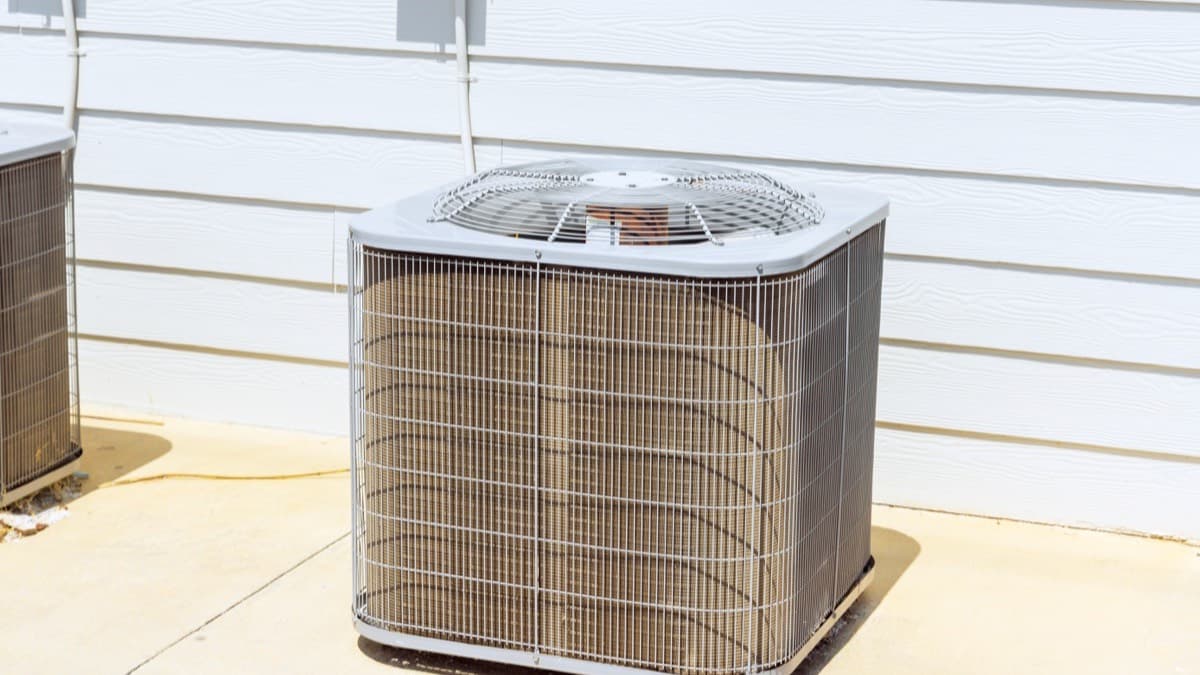
More fresh air indoors helps reduce the pollutants inside. When the weather allows, open windows and doors, or run an air conditioner with the vent control open. Bathroom and kitchen fans that exhaust outdoors also help. Ventilate whenever you paint, remodel or use a product that releases pollutants.
Stuffy air, condensation on cold surfaces, and mold or mildew are signs a house isn't getting enough fresh air.
Change the filters
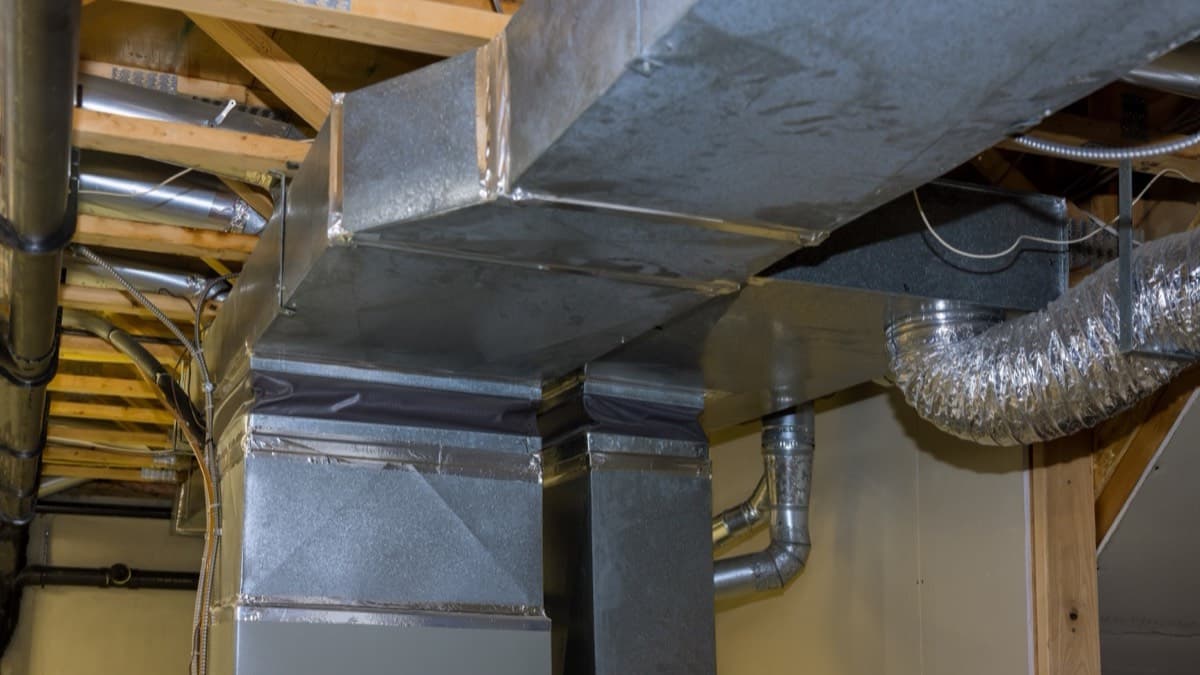
Central heating and air conditioning systems have filters that trap dust and other pollutants. Change or clean them as the instructions on the package say.
Keep humidity in range
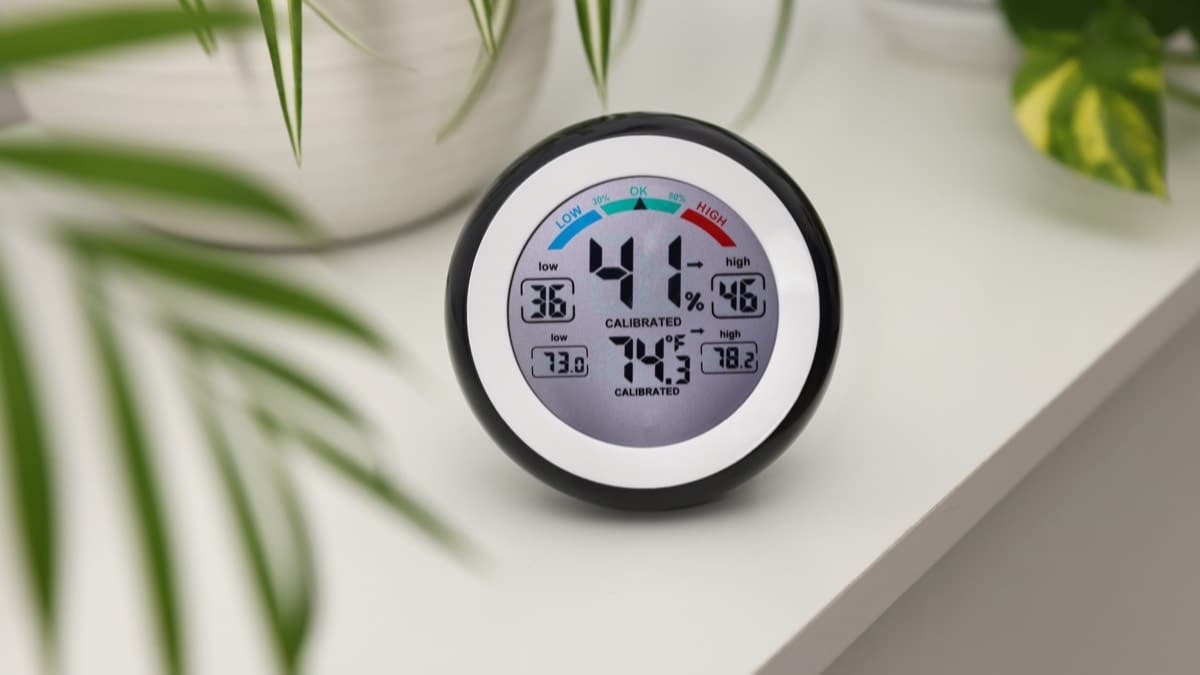
Keep indoor humidity between 30 and 50 percent. Higher humidity makes mold more likely. A humidity gauge from a hardware store shows where the house is.
- Too dry: A vaporizer or humidifier raises it.
- Too damp: Open the windows if it isn't humid outside, or run the air conditioner if it's warm.
Test for radon
Radon is a radioactive gas from the soil that enters through cracks and openings in floors and walls touching the ground. It's the leading cause of lung cancer among nonsmokers. Test with a do-it-yourself kit, and if the result says to fix it, call a qualified radon mitigation specialist.
An annotated example
What to do next
Put a humidity gauge where the household spends the most time and read it across a few weeks. Check the date on the furnace or AC filter and change it as the package says. Order a radon test kit for the lowest lived-in floor. If a bathroom fan doesn't vent outdoors, have a contractor look at it.
Improve the air inside the house
- Put a humidity gauge in the main living area
- Change or clean the furnace and AC filters
- Test the house for radon with a home kit
- Wash the sheets and blankets in hot water
FAQ
What indoor humidity is best?
Between 30 and 50 percent.
What is the best way to improve indoor air quality?
Remove the sources of pollution or cut what they give off, then bring in fresh air.
Sources
Checked October 19, 2026
- U.S. Environmental Protection Agency. Care for your air: a guide to indoor air quality (2026)
- Radon
- Carbon monoxide
- HVAC
- Owner
- Under $100
- Mold
- Tenant
- DIY