How-to
Insulating hot water pipes
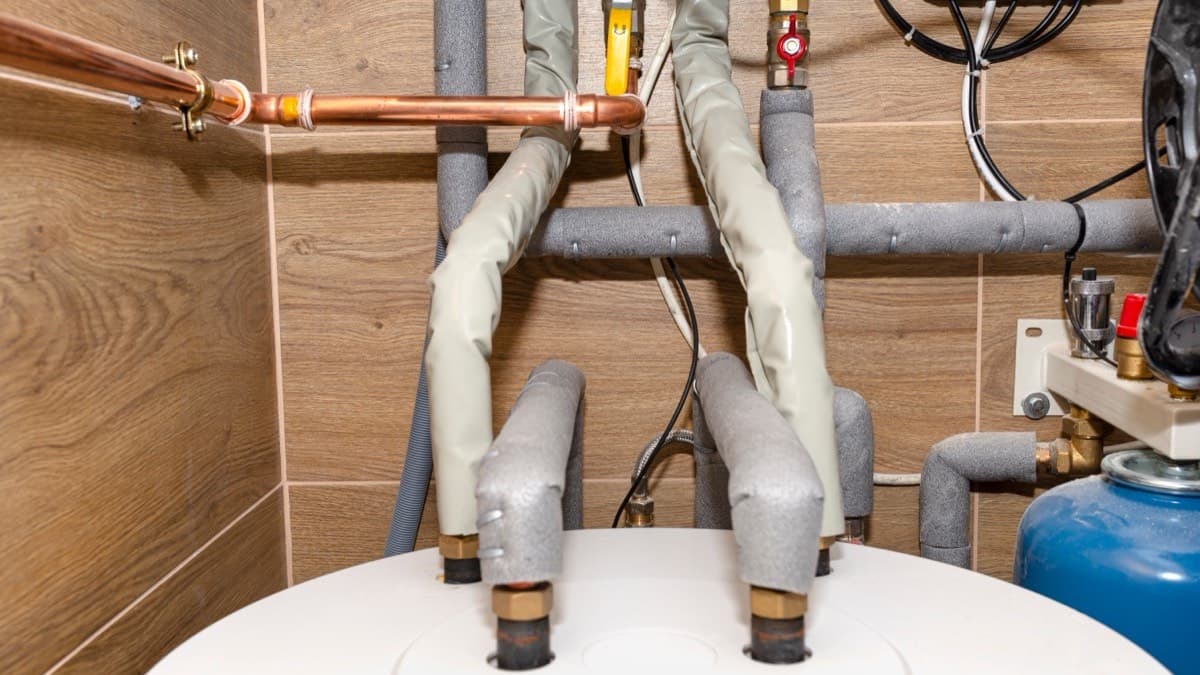
Fit sleeves sized to the pipe over the first 6 feet of the hot and cold lines at the water heater, tape every seam, and keep insulation 6 inches from a gas flue.
Satisfy+ Editorial · Updated June 12, 2026 · 2 min read · 1.5 hr to do · Under $100
At a glance
- Savings
- About 3% to 4% a year on water heating
- Where
- The first 6 feet of hot and cold pipe at the heater
- Insulation
- R-3 or better, sized to the pipe
- Gas heaters
- 6 inches clear of the flue
Uninsulated hot water pipes lose 16 to 23 percent of their heat on the way to the tap, depending on the climate. Insulating them cuts that loss and lets you lower the water heater's temperature setting. It saves about 3 to 4 percent a year on water heating. Three-quarter-inch insulation can cut water heating energy by 4 to 5 percent.
What you need
- A tape measure
- Tubular pipe sleeves, spiral pipe wrap or fiberglass batts, rated R-3 or better
- Tape to close the seams
- A utility knife or sharp scissors
- Gloves, goggles and a dust mask, if you're using fiberglass
Steps
- 1
Clean and measure the pipes
Wipe the pipes clean. Measure each pipe's outside diameter and the length you can reach, starting at the water heater. The sleeve's inside diameter should match the pipe's outside diameter for a snug fit.
15 min
- 2
Start at the water heater
Plan to cover at least the first 6 feet of pipe leaving the heater, on both the hot line and the cold line. Then cover as much of the rest of the hot pipe as you can reach.
5 min
- 3
Keep clear of a gas flue
On a gas water heater, keep the insulation at least 6 inches back from the draft diverter or a single-wall vent pipe.
5 min
- 4
Cut and fit the sleeves
Cut the sleeves to length and press them over the pipe. Where the pipe turns a 90-degree corner, cut the two ends at 45 degrees so they meet without a gap.
30 min
- 5
Tape the seams
Close each seam with tape. The adhesive strip on a sleeve doesn't hold on its own. Where the pipe is curved or partly blocked, shape the insulation to fit so there are no gaps.
20 min
- 6
Check the run
Look along the whole length for gaps between pieces and for seams that have opened. The insulation should be continuous.
5 min
Insulate the hot water pipes
- Measure the pipe size and length at the water heater
- Insulate the hot water pipes
- Check the pipe insulation for gaps and loose tape
Pipes in outside walls
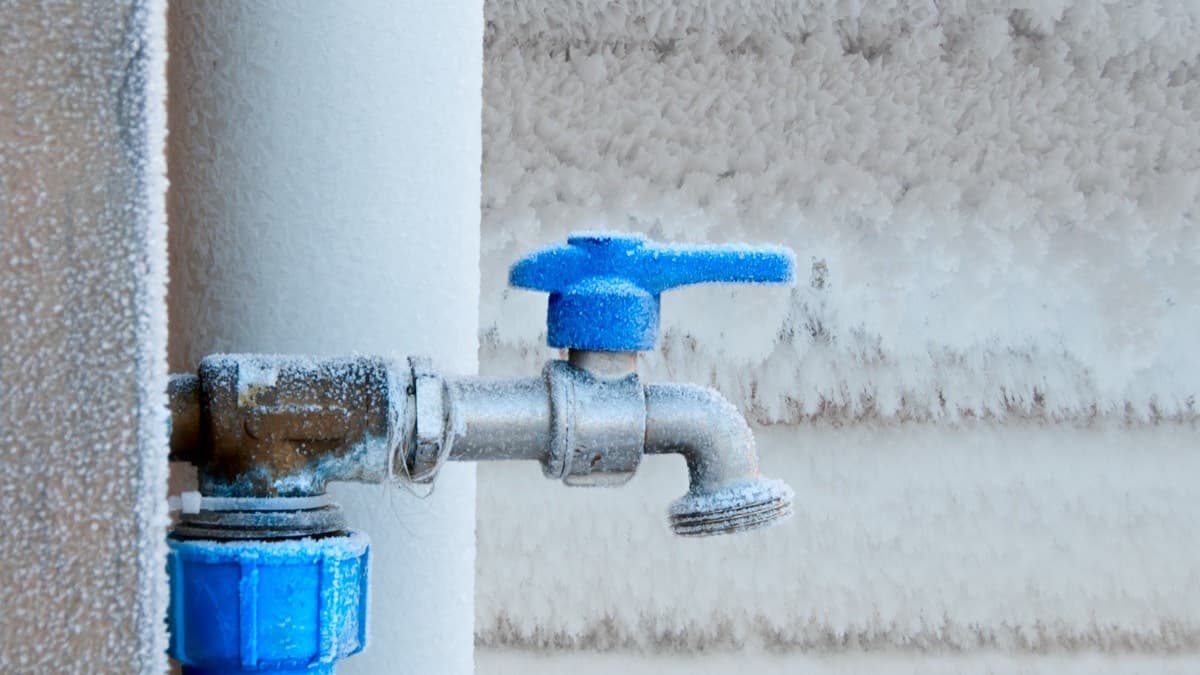
When a wall with a hot water pipe in it is open for other work, the pipe can be insulated, with insulation behind it between the pipe and the outside wall, and the cavity air-sealed. Where condensation forms on cold water pipes, insulate those too. For pipes at risk of freezing, see Frozen pipes, prevention and the first hour.
After the pipes are done
Insulated pipes lose less heat on the way to the tap, which lets you lower the water heater's setting. Tap water scalds and the water heater setting covers the setting.
FAQ
How much does insulating hot water pipes save?
Insulating them saves about 3 to 4 percent a year on water heating and lets you lower the water heater's temperature setting.
How much of the pipe should I insulate?
At least the first 6 feet of pipe from the water heater, on both the hot and cold lines.
How close can pipe insulation be to a gas water heater flue?
Keep it at least 6 inches from the draft diverter or a single-wall vent pipe.
Sources
Checked October 20, 2026
- U.S. Department of Energy, Energy Saver. Energy Saver guide, tips on saving money and energy in your home (2022)
- U.S. Department of Energy, Building Science Education Solution Center. Pipes in exterior walls (2026)
- U.S. Department of Energy, State and Community Energy Programs. Insulate domestic hot water pipes (job aid 23-3) (2024)
- Owner
- Plumbing
- Under $100
- Beginner
- DIY