Checklist
Microwave oven safety at home
Check the door, hinges, latch and seals, stop using an oven that runs with the door open, and avoid the superheated water and hot containers behind most microwave injuries.
Satisfy+ Editorial · Published July 15, 2026 · 2 min read
At a glance
- Leaks
- Unlikely unless the door, hinges, latch or seals are damaged
- Stop using it
- If it keeps running with the door open
- Most injuries
- Burns from hot containers, overheated food and erupting water
- Cleaning
- Water and mild detergent, no abrasives
A microwave oven in good condition doesn't leak microwave energy. Leakage over an oven's whole life stays far below the level known to harm people, and two independent interlocks stop the microwaves the moment the latch is released or the door opens. Most injuries from microwave ovens are burns from hot containers, overheated food or liquid that erupts, not radiation.
The door and the seals
- Look the oven overCheck the door hinges, the latch and the seals. Leaks are unlikely unless one of them is damaged.
- Don't use it if the door won't close firmlyThe same goes for a door that's bent, warped or otherwise damaged. Contact the manufacturer for help.
- Stop using it if it runs with the door openAn oven that keeps operating with the door open may be emitting microwaves.
- Don't stand against it for long while it runsKeep children from doing it too. Microwave energy drops sharply with distance from the oven.
Water and food
- Don't heat water longer than the manual saysWater heated by itself in a clean cup can pass its boiling point without looking like it's boiling. Picking up the cup or stirring in instant coffee can make it erupt and scald.
- Add the coffee or sugar before heatingIt greatly reduces the chance of superheated water.
- Handle containers as if they're hotGlass, paper, ceramic and plastic don't heat from the microwaves, but the hot food inside heats them.
- Use microwave-safe cookwareSome plastic containers can melt from the heat of the food.
- Keep metal pans and aluminum foil outMetal reflects microwaves, so the food cooks unevenly and the oven can be damaged.
- Don't run it empty if the manual says not toSome ovens shouldn't be operated with nothing inside.
Cleaning
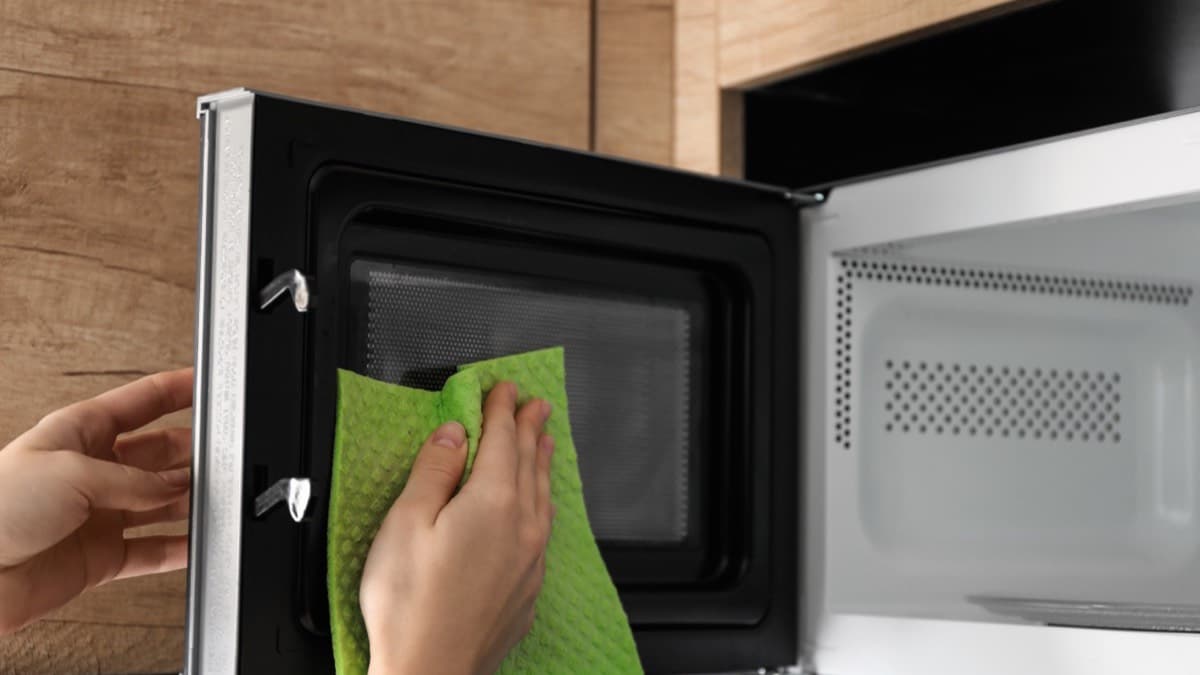
- Clean the cavity, its outer edge and the doorWater and a mild detergent are enough. A special microwave cleaner isn't needed.
- Skip the abrasivesNo scouring pads, steel wool or other abrasive cleaners.
Look over the microwave oven
- Check the microwave door, hinges, latch and seals for damage
- Clean the microwave cavity and door with mild detergent
If you have a pacemaker
Pacemakers made today are designed to shield against electrical interference like the kind once feared from microwave ovens. If you have concerns, ask your doctor.
FAQ
Can a microwave oven leak radiation?
One in good condition doesn't. Leaks are a concern only when the door hinges, latch or seals are damaged.
Why did water explode out of a cup in the microwave?
Water heated alone in a clean cup can go past boiling without bubbling, then erupt when it's moved or stirred.
How should I clean a microwave?
Use water and a mild detergent on the cavity, its edge and the door, with no scouring pads or steel wool.
Sources
Checked October 20, 2026
- U.S. Food and Drug Administration. Microwave ovens (2026)
- Appliances
- Owner
- Tenant