How-to
Slow drains, and what to try before calling a plumber
Clear the strainer, try boiling water or a drain snake instead of a chemical opener, and keep grease and food scraps out of the drain so the clog doesn't come back.
Satisfy+ Editorial · Published October 13, 2026 · 2 min read · 30 min to do · Under $100
At a glance
- First
- Clear the strainer and the stopper
- Try
- Boiling water, then a drain snake
- Skip
- Chemical drain openers
- Prevent
- No grease or food scraps down the drain
Cooking grease poured down a drain solidifies in the pipes, narrows them and blocks the flow. Grease from homes, restaurants and industry is the most common cause of reported sewer blockages, at 47 percent.
What you need
- A kettle or pot for boiling water
- A hand drain snake, from a hardware store
- Rubber gloves and a bucket
- Sink strainers
Steps
- 1
Clear what you can reach
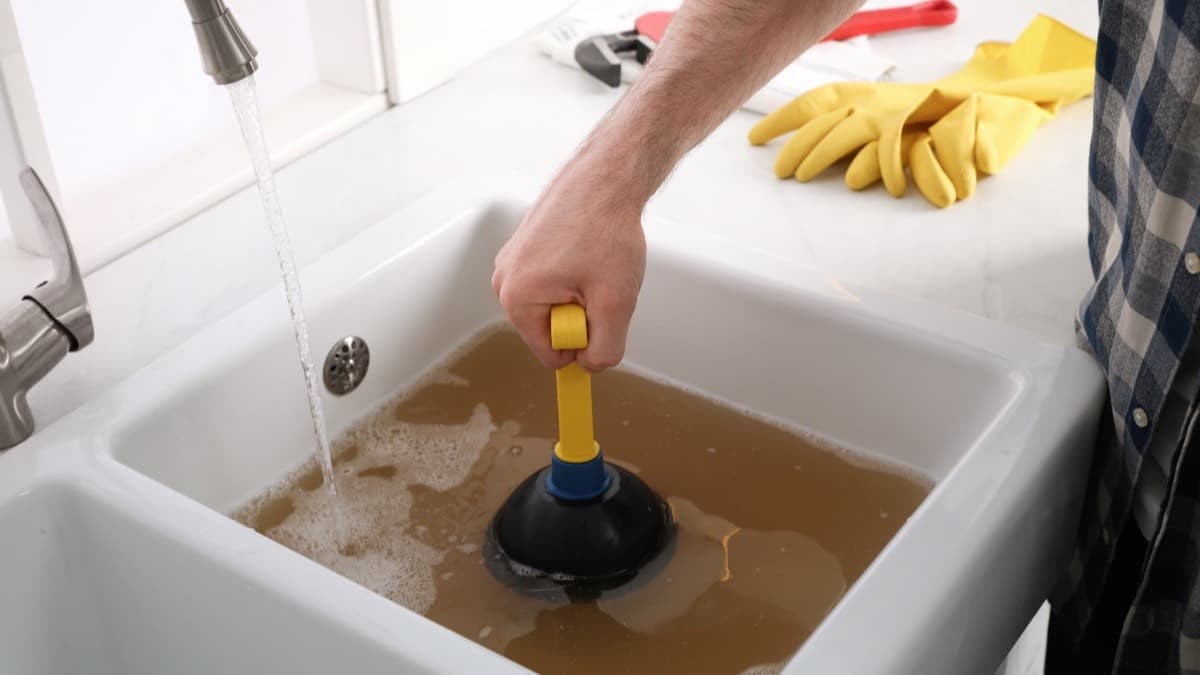
Lift out the strainer or the stopper and clean off whatever has collected on it.
5 min
- 2
Skip the chemical opener
Use boiling water or a drain snake instead of a chemical drain opener. On a septic system, drain cleaners are among the things never to pour down a drain.
1 min
- 3
Pour boiling water
Pour it slowly, straight into the drain opening, and keep your hands and face back from the splash.
5 min
- 4
Run a drain snake
Feed the snake into the drain until it meets the clog, turn it to break the clog up or catch it, and pull it back out. Have the bucket ready for what comes up with it.
15 min
- 5
Run the water and watch it
Run the tap for a minute. Water that drains as fast as it pours in means the clog is gone.
2 min
Keep the drains running clear
- Put a strainer in each kitchen sink
- Keep an empty can by the stove for cooking grease
- Empty the sink strainers into the trash or compost
Keeping it from coming back
- Scrape plates into the trash or compost before washing them.
- Use a strainer in the sink and empty it into the trash or compost.
- Pour grease into a can, let it harden, and throw the can away.
- Use the garbage disposal less. Limiting it cuts the fats, grease and solids going down the drain.
- Keep wipes out of the toilet. Baby wipes and facial wipes, even ones marked flushable, can block sewers too.
On a septic system, everything that goes down the drain ends up in the tank. Food from a disposal adds solids the tank doesn't need, and the tank needs pumping more often.
If something goes wrong
FAQ
Should I use a chemical drain cleaner?
No. Use boiling water or a drain snake instead.
Can I pour cooking grease down the drain?
No. Grease solidifies in the pipes and blocks the flow. Put it in a can and throw it away.
Sources
Checked October 20, 2026
- U.S. Environmental Protection Agency. How to care for your septic system (2026)
- U.S. Environmental Protection Agency. Controlling fats, oils, and grease discharges from food service establishments (2012)
- U.S. Environmental Protection Agency. Sanitary sewer overflow frequent questions (2026)
- Owner
- Plumbing
- Septic
- Under $100
- Beginner
- Tenant
- DIY