Explainer
Carbon monoxide from gas-powered tools indoors
Learn how fast a gas-powered saw, pressure washer or compressor fills a room with carbon monoxide, and how to set up the job safely.
Satisfy+ Editorial · Published September 11, 2026 · 2 min read
At a glance
- The rule
- No gas engine inside, even with the doors open
- Pressure washers
- Engine outside, only the wand inside
- In minutes
- A small engine can reach a dangerous CO level
- First signs
- Headache, dizziness and nausea
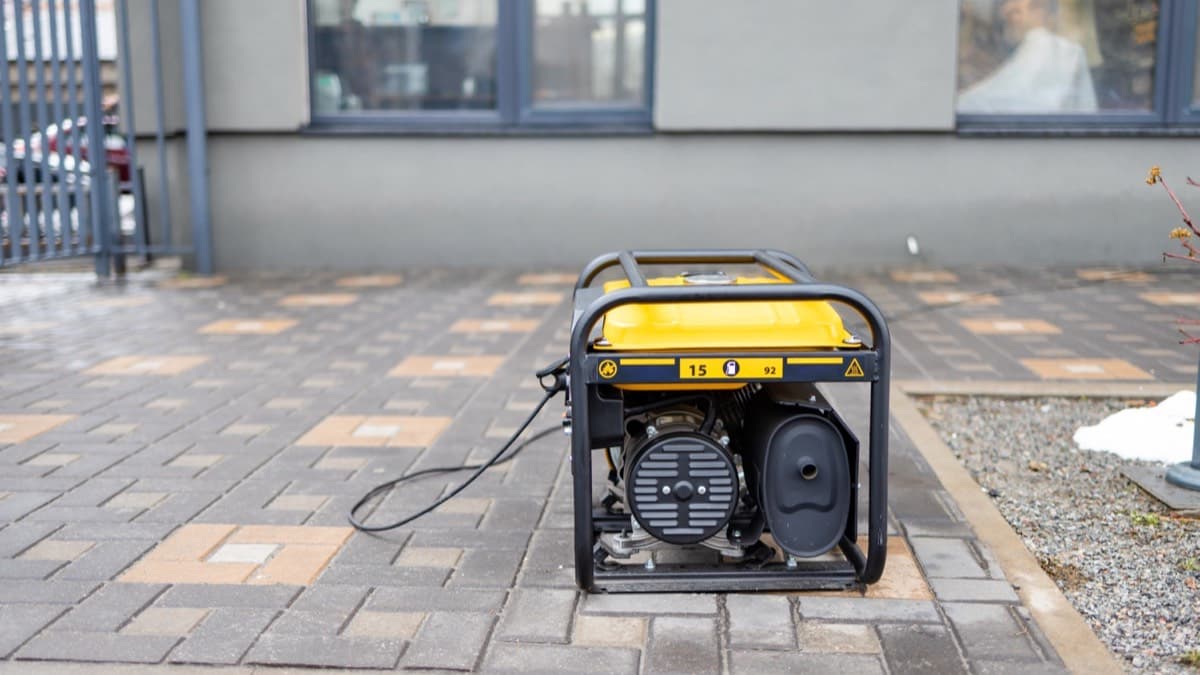
A small gasoline engine running inside a house or garage can fill it with carbon monoxide in minutes. Open doors, open windows and a running fan don't prevent it. Concrete saws, power trowels, pressure washers, compressors, floor buffers and generators have all poisoned workers this way. The gas has no color, smell or taste, and it causes the confusion and weakness that keep a worker from getting out.
How fast it builds
In a test, a 5.5-horsepower pressure washer ran inside a closed two-car garage. Carbon monoxide passed 200 parts per million in 5 minutes and reached 1,200 ppm in 15. At 1,200 ppm, the level is immediately dangerous to life. With both garage doors and a window open, the level still passed 200 ppm in 3 minutes. Workers who once ran a tool indoors without trouble have been poisoned the next time.
The signs
The first signs are a headache, dizziness and nausea, which are easy to mistake for a cold, the flu or food poisoning. Weakness, blurred vision, changes in personality and loss of consciousness follow. Any of them can start within minutes of the engine starting. People with heart disease, and unborn babies, are at greater risk. Nervous system symptoms can go on for days or weeks after someone seems to have recovered.
An annotated example
What to do next
- Keep every gas engine outdoors and away from air intakes
- Use an electric or air-powered tool when one will do the jobAn electric tool brings its own shock hazard, so plug it into a GFCI.
- Wear a personal CO monitor with an audible alarm wherever an engine runs nearby
- Teach the crew the symptoms, and watch each other for them
- At the first symptom, shut the engine off and get everyone into fresh air
- Call 911 for anyone with symptoms, and never let them drive themselves
- Stay out of the area until the tool is off and the CO level reads safe again
Set up gas-powered tools away from the work area
- List every gas-powered tool the crew uses on interior jobs
- Get a personal CO monitor with an audible alarm
- Plan where each engine sits outdoors, away from air intakes
FAQ
Is it safe to run a gas tool inside with the doors open?
No. In tests, open doors and a window still let carbon monoxide pass 200 ppm in 3 minutes.
How do I use a gas pressure washer indoors?
Keep the engine and pump outside and run only the wash line in.
What should a worker do at the first headache?
Shut the engine off, go outdoors, and call 911. Have someone else drive them to care.
Sources
Checked October 19, 2026
- National Institute for Occupational Safety and Health. Preventing carbon monoxide poisoning from small gasoline-powered engines and tools (1996)
- Carbon monoxide
- Professional
- Winter
- Renovating