Checklist
Cold stress on winter jobs
Plan cold-weather jobs for the warmest hours, dress the crew in layers with dry spares on hand, and know the signs of hypothermia and frostbite.
Satisfy+ Editorial · Published October 9, 2026 · 2 min read
In the cold, the body can lose heat quickly. What counts as dangerous cold depends on where you are: in places that rarely freeze, near-freezing temperatures can cause cold stress. Anyone working outdoors, in an unheated building or without shelter is at risk. Hypothermia can set in even above 40°F if someone gets chilled from rain, sweat or cold water.
Planning the work
- Schedule cold jobs for the warmest part of the dayOr for the warmer months, if the job can wait.
- Add relief workers on long jobs
- Limit time outside on extremely cold days
- Train the crew on cold stress before winterKeep a closer eye on anyone most at risk.
What the crew wears and carries
- Dress in several loose layersLoose layers insulate better. Check that they don't restrict movement.
- Cover the ears, face, hands and feetWear a hat, which keeps body heat from escaping, and waterproof, insulated boots.
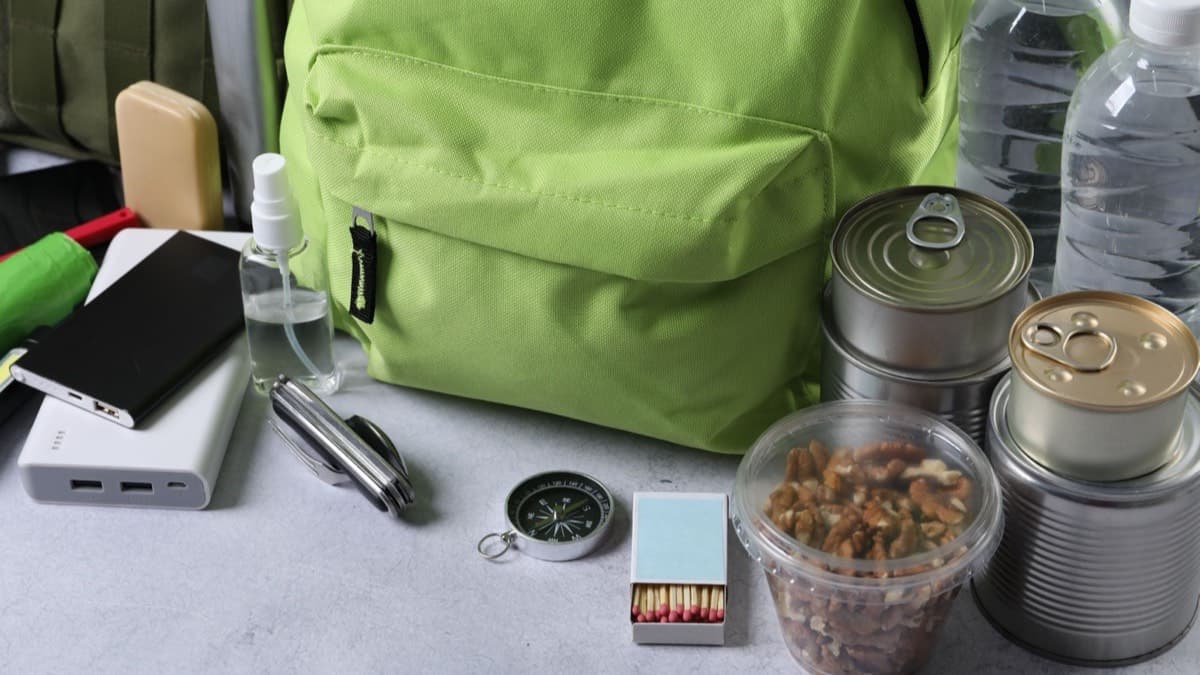
- Keep dry spares in the truckExtra socks, gloves, a hat, a jacket, a change of clothes and blankets.
- Put a thermometer and hot packs in the first aid kit
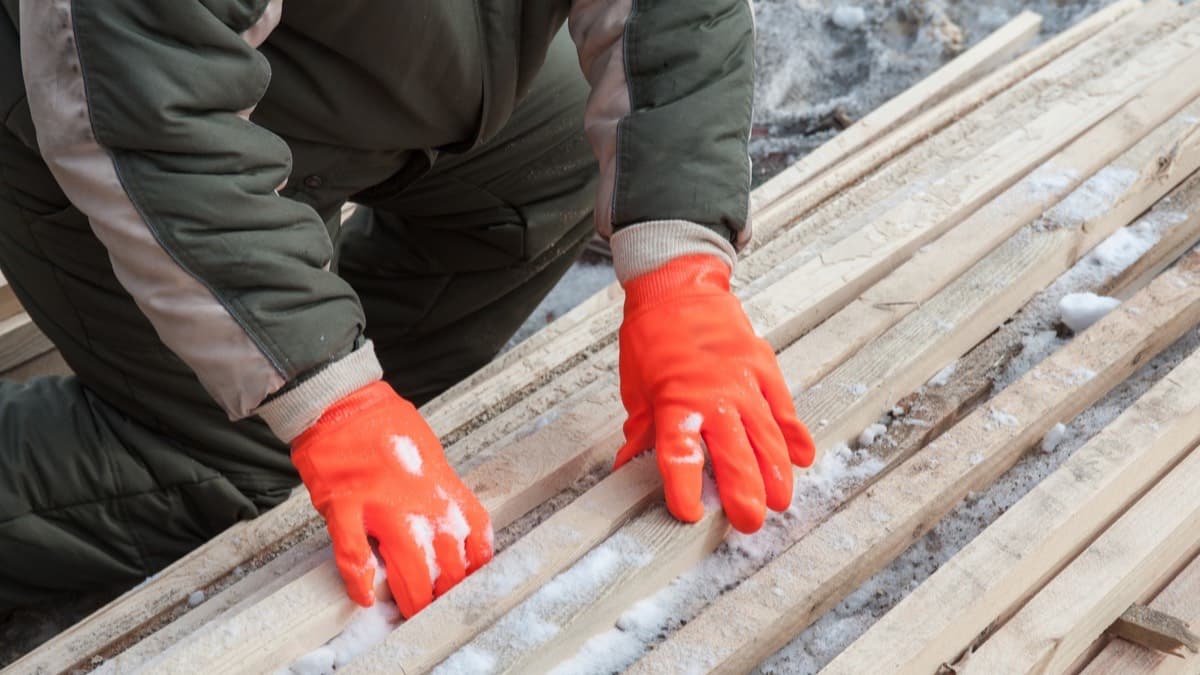
- Wear gloves to touch cold metal
Breaks
- Set up a warm place for breaksHave warm drinks there.
- Watch each otherEveryone keeps an eye on how they feel, and on the people they work with.
The signs
- Know the signs of hypothermiaShivering, exhaustion, confusion, memory loss, fumbling hands, slurred speech and drowsiness. Get medical help as soon as you can, and right away if the person's temperature is below 95°F.
- Know the signs of frostbiteRedness or pain often comes first. Then the skin turns white or grayish-yellow, feels unusually firm or waxy, or goes numb. The person often doesn't notice, because frozen skin is numb, so check each other's faces and hands.
- Warm them while help is on the wayGet the person somewhere warm, take off any wet clothing, and warm the center of the body first: the chest, neck, head and groin. Skin-to-skin contact under dry blankets works. Put frostbitten areas in water that feels warm to the touch. Don't rub them, don't walk on frostbitten feet unless you have to, and don't warm them with a fireplace, heat lamp, radiator, stove, heating pad or electric blanket.
- Give warm drinks, never alcoholOnly if the person is awake. Never give a drink to someone who's unconscious. People who drink alcohol are at higher risk of hypothermia.
- Start CPR if they stop breathingIf the person is unconscious and not breathing normally, handle them gently, call 911, and start CPR, even if they seem to be dead. Keep warming them while you do. Some people in this state can still be revived.
Set up the crew's cold plan
- Pack dry socks, gloves, hats and blankets in each truck
- Put a thermometer and hot packs in the first aid kit
- Go over hypothermia and frostbite signs with the crew
Go over the list with the crew before the first cold job of the season, and keep the spares and the first aid kit in each truck all winter. Heat illness on the job covers the same planning for summer work.
Sources
Checked October 19, 2026
- National Institute for Occupational Safety and Health. About cold stress (2026)
- Centers for Disease Control and Prevention. Preventing hypothermia (2026)
- Winter storm
- Professional
- Winter