Guide
Eye and face protection on the job
Match safety glasses, goggles or a face shield to the hazard on each task, put eye protection over prescription glasses and contacts, and add a face shield only on top of it.
Satisfy+ Editorial · Published September 2, 2026 · 2 min read
At a glance
- Flying chips and dust
- Safety glasses or goggles
- Splashes and sprays
- Goggles, with a face shield on top
- Prescription glasses
- Not protection on their own
- Contact lenses
- Still need eye protection over them
As of 2026, thousands of people are blinded each year by work injuries to the eyes that the right eye and face protection could have prevented. Many happen to workers wearing nothing, and others to workers wearing protection that was the wrong kind for the job or didn't fit. Carpenters, electricians, plumbers, sanders, sheet metal workers, welders and laborers are among the trades where eye protection should be routine.
The hazards on a typical job
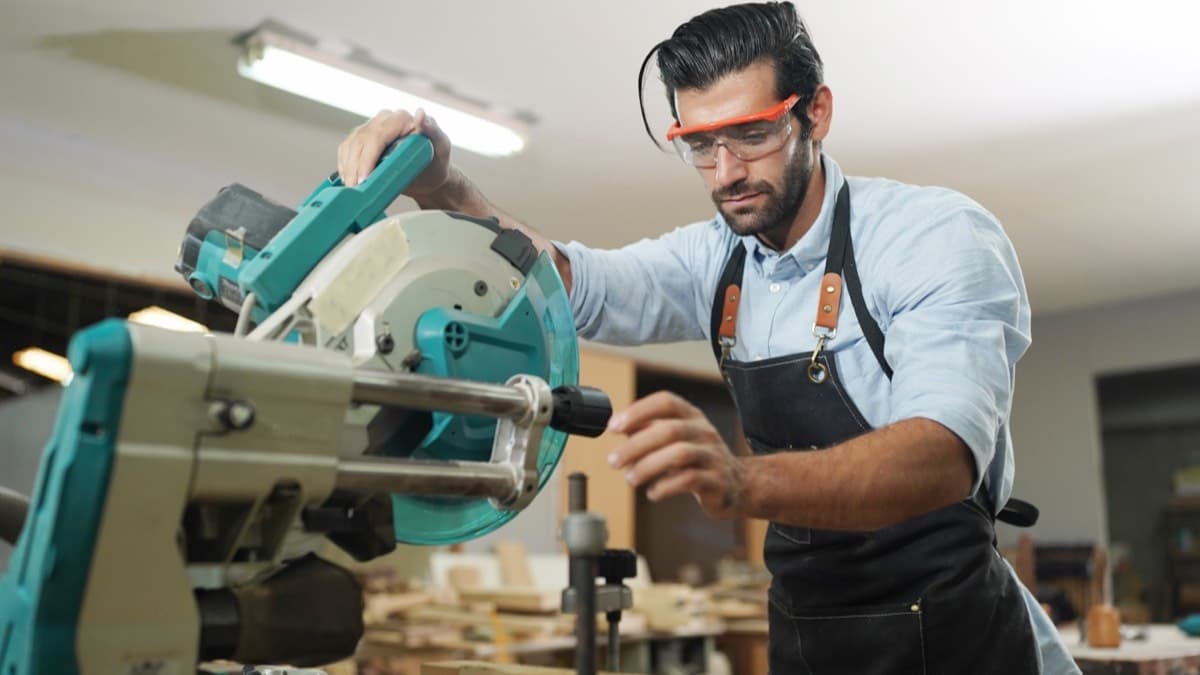
- Particles. Dust, dirt and chips fly up from chipping, grinding, sawing, hammering and power tools, or blow in on a strong wind.
- Splashes. Corrosive chemicals, hot liquids and solvents can splash into the eyes.
- Swinging objects. Tree limbs, chains, tools and ropes can swing into the face.
- Radiant energy. Welding and cutting give off intense light, along with heat, glare, sparks and spatter.
What each kind protects against
- Safety glasses. Impact-resistant lenses in metal or plastic safety frames. Some models have side shields.
- Goggles. A tight fit over the eyes, the eye sockets and the skin around them, protecting against impact, dust and splashes. Some fit over prescription glasses.
- Face shields. Clear plastic from the eyebrows to below the chin and across the whole face. They block splashes and sprays, but not impact, so they go over goggles or safety glasses rather than in place of them.
- Welding shields. A filtered lens in a fiber or fiberglass shell, protecting the eyes from burns from intense light and the face from sparks, spatter and slag. The filter shade should match the work.
Whatever the type, it should protect against the hazard at hand and fit well. It should also be comfortable enough to keep on, leave vision and movement clear, and work with other gear, like a respirator.
Glasses and contacts
Ordinary prescription glasses don't protect against most job hazards. A worker who wears them needs safety eyewear made with the prescription, or protection that fits over the glasses without pushing them out of place. A worker who wears contact lenses still needs eye or face protection over them.
An annotated example
What to do next
Walk through the crew's usual tasks and match the protection to each one. Keep goggles that fit over prescription glasses on hand, and keep a face shield with the grinder and the chemicals so it goes on over the goggles.
Keep the crew's eye protection ready
- Check each worker's safety glasses for scratches and cracks
- Stock goggles that fit over prescription glasses
- Keep a face shield with the grinder and the chemicals
FAQ
Are prescription glasses enough eye protection at work?
No. Ordinary prescription glasses don't protect against most job hazards. Wear safety eyewear made with the prescription, or goggles that fit over the glasses.
Is a face shield enough eye protection by itself?
No. A face shield blocks splashes and sprays but not impact. Wear it over safety glasses or goggles.
Do I need eye protection if I wear contact lenses?
Yes. Contact lenses aren't protection, so wear eye or face protection over them.
Sources
Checked October 20, 2026
- Occupational Safety and Health Administration. Personal protective equipment (OSHA 3151) (2023)
- Occupational Safety and Health Administration. Eye and face protection (2026)
- Professional