Checklist
Hand and power tool safety for a small crew
Check every tool before it's used, pull damaged ones from service, keep the guards on and the cords clear, and give the crew the right protective gear.
Satisfy+ Editorial · Updated May 22, 2026 · 2 min read

At a glance
- Before each use
- Look the tool over for damage
- Damaged
- Tagged Do Not Use and out of service
- Guards
- Never removed while the tool is in use
- On a temporary power source
- A GFCI
Most hand tool injuries come from misuse and poor upkeep: a chisel used as a screwdriver whose tip snaps off, or a hammer whose loose head flies. Power tools add shock, burns and flying fragments. Five basic rules help prevent both. Keep tools maintained, use the right tool for the job, look each one over before use, follow the maker's instructions and wear the right protective gear.
Hand tools
- Retire a wooden handle that's loose, splintered or crackedThe head of a hammer or an axe can fly off and hit someone.
- Pull a wrench whose jaws are sprung
- Keep chisels, wedges and drift pins free of mushroomed headsA mushroomed head can shatter and throw sharp pieces.
- Keep knives and scissors sharpA dull blade is more dangerous than a sharp one.
- Point blades away from walkways and from anyone working close by
Keep the crew's tools safe to use
- Check every hand and power tool for damage before the job
- Remove any damaged tool from use and tag it
- Stock goggles, gloves and safety shoes for the crew
Power tools
- Carry a tool by its handle, never by the cord or the hose
- Unplug a tool to change a blade, bit or cutter, and before cleaning it
- Keep cords and hoses away from heat, oil and sharp edges
- Clamp the work or put it in a vise, so both hands are on the tool
- Keep fingers off the switch while carrying a plugged-in tool
- Leave every guard in placeA portable circular saw needs its upper guard and a lower guard that springs back over the teeth.
- Keep loose clothing, ties and jewelry away from moving parts
Electric tools and the site
- Use a three-prong grounded cord or a double-insulated toolNever remove the third prong from a plug.
- Put a GFCI on any temporary power source
- Keep electric tools out of damp or wet spots unless they're rated for them
- Keep anyone not on the task well back from the work
Air and fuel tools
- Fasten each air tool securely to its hoseAdd a short wire or a positive locking device as a backup, so the tool can't come loose.
- Never point a compressed air gun at anyone
- Shut down a gas-powered tool and let it cool before refuelingFuel vapors can catch fire or explode.
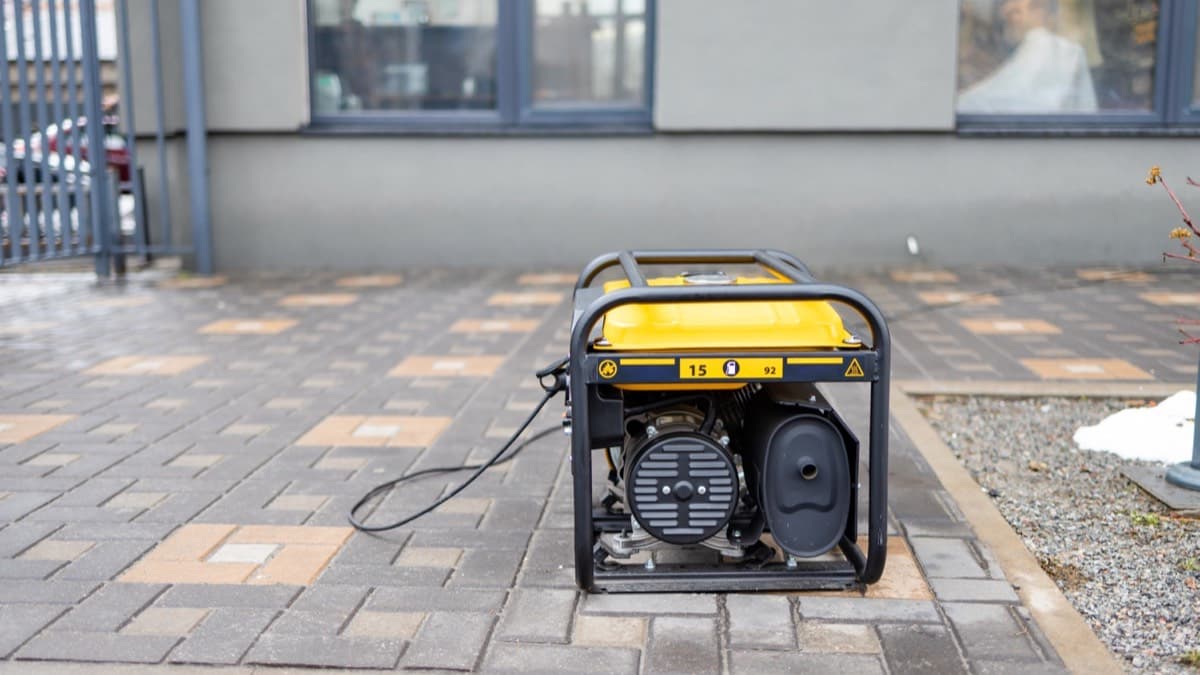
- Ventilate a closed space well before running a gas tool in itThe exhaust carries carbon monoxide.
FAQ
What should happen to a damaged power tool?
Take it out of use and tag it "Do Not Use" until it's repaired or replaced.
Does a power tool need a GFCI on a jobsite?
On a temporary power source, yes. Use a ground-fault circuit interrupter.
Can a circular saw's guard be taken off?
No. Guards stay on whenever the tool is in use.
Sources
Checked October 19, 2026
- Occupational Safety and Health Administration. Hand and power tools (OSHA 3080) (2002)
- Professional
- Under $100
- DIY