Explainer
What the ENERGY STAR label means
Learn what the blue ENERGY STAR label certifies, who sets its standards, which products and homes carry it, and why some efficient products don't.
Satisfy+ Editorial · Published July 28, 2026 · 2 min read

At a glance
- What it is
- A voluntary federal label for energy efficiency
- Who sets the bar
- The federal government
- Who checks it
- Independent certification
- Started
- 1992
ENERGY STAR is a voluntary labeling program run by the federal government. The government sets energy efficiency specifications for each kind of product, and products that meet them can carry the ENERGY STAR logo. Products that earn the label are independently certified to meet the standards. The program started in 1992 and is run jointly by the Department of Energy and the Environmental Protection Agency. Under a 2026 agreement, its administration is moving to the Department of Energy.
What carries the label
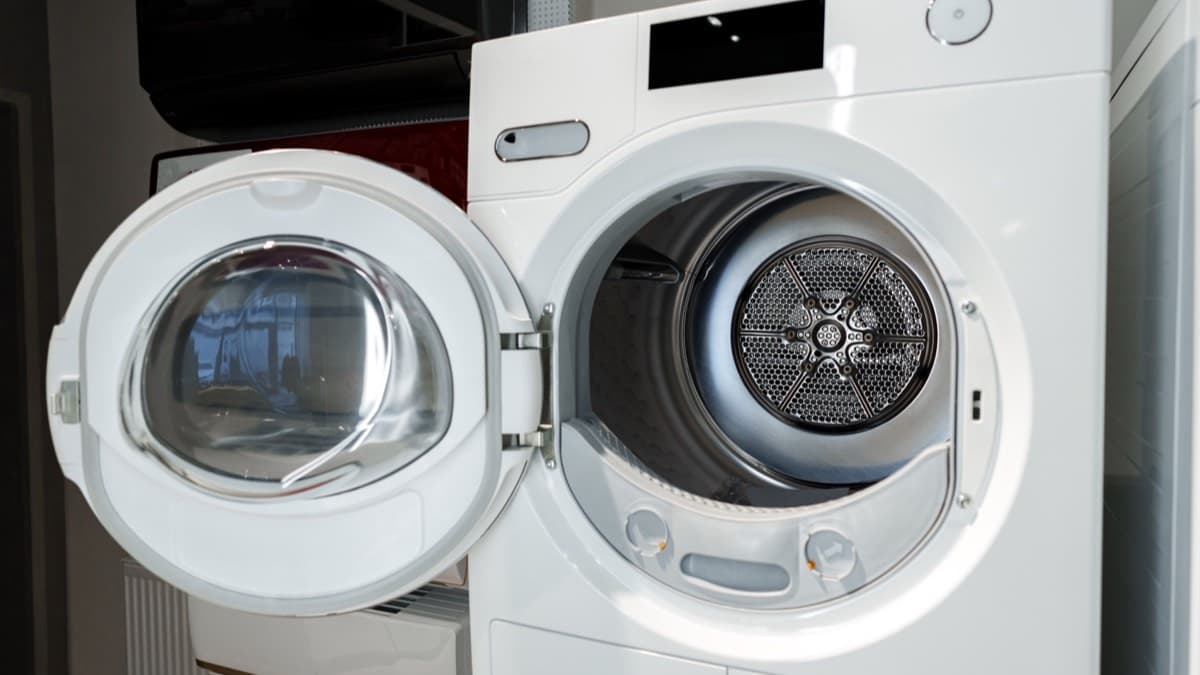
- Appliances and equipment. Dishwashers, clothes washers and dryers, air conditioners and heat pumps, smart thermostats, many water heaters, windows, roofing products and more.
- New homes and apartments. Builders can have whole homes and apartment buildings certified.
- Advice for existing homes. The program publishes guidance on the improvements that save the most energy in a house you already own, such as recommended insulation levels by climate.
What it means in practice
An ENERGY STAR product does the same job as a standard model using less energy. Some examples:
- Water heaters. Heat pump, high-efficiency gas storage, gas tankless and solar water heaters can all earn the label. A certified heat pump water heater uses about 70% less electricity than a standard electric model to make the same hot water.
- Dishwashers. Certified models use less water and energy than conventional ones, with features such as soil sensors that adjust the water to how dirty the dishes are.
Why some efficient products don't have it
Not every product type can earn the label. Electric storage tank and electric tankless water heaters aren't eligible, because they're already highly efficient and have little room to improve. The yellow EnergyGuide label, which manufacturers put on appliances, shows any model's energy use, certified or not.
An annotated example
What to do next
Note which of your appliances carry the ENERGY STAR logo in your home records, along with their model numbers. Reading the yellow EnergyGuide label covers comparing what each appliance costs to run.
Know which appliances are ENERGY STAR certified
- Note which of your appliances carry the ENERGY STAR label
FAQ
What does the ENERGY STAR label mean?
The product meets energy efficiency standards set by the federal government and has been independently certified to meet them.
Is ENERGY STAR a government program?
Yes. It's a voluntary federal labeling program. Manufacturers that meet its standards can choose to use the logo.
Why doesn't my electric water heater have an ENERGY STAR label?
Electric storage tank and electric tankless water heaters aren't eligible, because they're already highly efficient.
Sources
Checked October 20, 2026
- ENERGY STAR (U.S. Department of Energy and U.S. Environmental Protection Agency). How ENERGY STAR works (2026)
- U.S. Department of Energy. Energy saver: tips on saving money and energy in your home (2022)
- Appliances
- Owner
- Tenant