Explainer
Why your home insurance premium went up
Learn the causes of a higher home insurance premium, which ones reach every policy in a region and which are about your own house, and what to ask at renewal.
Satisfy+ Editorial · Published July 8, 2026 · 2 min read
Satisfy+ is not an insurance agent, broker or adjuster. Your policy's wording controls.

At a glance
- Broad causes
- Extreme weather, building costs, inflation, litigation, reinsurance
- Your own factors
- Claims history, credit history, the cost to replace your home, its age and condition
- Replacement cost
- Not the same as market value
- Who to ask
- Your insurer or agent
Insurers set premiums from the expected cost of future claims. The causes of an increase fall into two kinds. Some are pressures on every policy in a region, and others are facts about your house and your record.
The causes that reach everyone
- Extreme weather events. Storms, fires and other disasters drive up the claims that premiums pay for.
- Construction and repairs. Labor and materials drive these costs. They tend to be higher in more populated areas and when supply is limited.
- Inflation and interest rates. They move real estate values and the price of goods.
- Litigation. The cost of litigation is increasing.
- Reinsurance. The insurance that insurers buy for themselves has risen significantly in cost.
None of these is about your house. A premium can rise in a year when you filed no claim and changed nothing.
The causes that are about your house
These factors are tied to you and the property:
- Where you live.
- Your claims history. Past claims can mean a higher premium.
- The cost to replace your home and contents, which is not the same as the home's market value.
- Your credit history, which insurers in many states use to set the price.
- Your deductible.
- The home's age and condition.
- The home's distance from a water source or fire department, and the quality of the local fire protection.
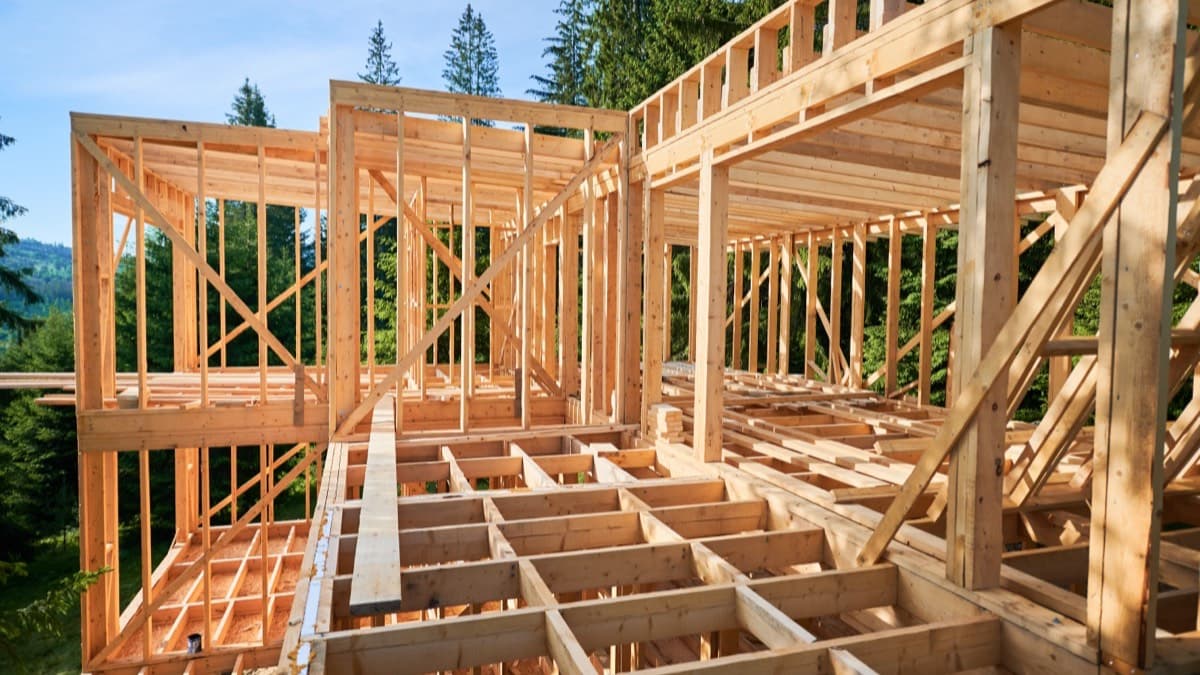
A house built mainly of brick or masonry usually has a lower premium than a wood frame house.
The replacement cost factor
The cost to replace your home is one of the home factors. Review the coverage amounts each year. Your declarations page shows the dwelling limit.
An annotated example
What to do next
Put this year's declarations page beside last year's and read across the dwelling limit, the deductible and how belongings are paid for. Then ask the insurer or your agent which factors changed your premium. Ask about discounts for smoke detectors, a burglar alarm, a sprinkler system, deadbolts, storm shutters and a new roof.
Read the renewal before it starts
- Compare the renewal's coverages with last year's
- Ask the insurer or agent what changed the premium
- Ask which safety discounts the insurer offers
FAQ
Is the cost to replace my home the same as what it would sell for?
No. The cost to replace your home and contents is not the same as its market value.
Why did my premium go up when I didn't file a claim?
Some causes reach every policy in a region, including extreme weather, building costs, litigation and reinsurance.
Sources
Checked October 20, 2026
- National Association of Insurance Commissioners. Understanding your homeowners or renter's policy (2024)
- National Association of Insurance Commissioners. A consumer's guide to home insurance (2022)
- Living
- Owner
- Insurance cost