Explainer
Cryptocurrency scams
Only scammers demand payment in cryptocurrency or guarantee profits, and money sent in crypto usually can't be gotten back.
Satisfy+ Editorial · Updated August 7, 2026 · 3 min read
This is general education, not individual financial, investment or tax advice.
At a glance
- Red flag
- Anyone who demands payment in crypto
- Red flag
- A guaranteed profit or big return
- Red flag
- Investment advice from an online match
- Once it's sent
- Usually gone for good
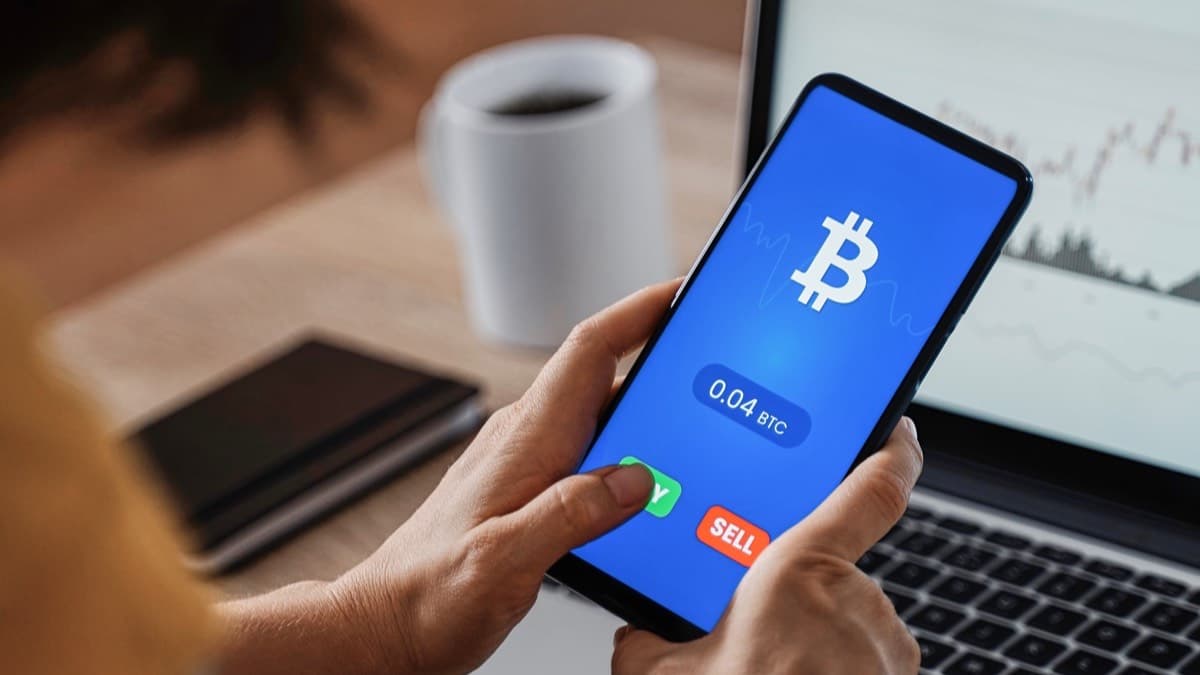
Cryptocurrency is a popular way for scammers to get paid, because the payment works differently from a card. A credit or debit card purchase comes with ways to dispute it through the card company. A crypto payment typically can't be reversed and has no dispute process like a card's. Once the money is sent, the only way to get it back is usually for the person who got it to send it back.
The three rules
- Only scammers demand payment in cryptocurrency. No legitimate business or government agency will insist that you pay in crypto in advance.
- Only scammers guarantee profits or big returns. Promises of easy money with zero risk are a sign of a scam.
- Never mix online dating and investment advice. Someone you met on a dating site or app who offers investing tips or wants you to send crypto is a scammer.
How the scams work
- Investment scams often start on social media or a dating app, from someone posing as an investment manager or even a celebrity. They promise high returns at no risk and point you to an investment website that looks real but is fake. When you try to take money out, you can't, or only after paying high fees.
- In a romance scam, an online love interest wants you to send money or crypto, often to invest together.
- An impersonator claims to be from a well-known company, a government agency or a utility. They say there's a problem, tell you to fix it by sending crypto and may send you to a crypto ATM.
- A fake job requires an upfront fee paid in crypto, or comes with a fake check.
- In blackmail, a message threatens to release embarrassing photos, videos or personal information unless you pay in crypto. Report it to the FBI right away.
A scammer may also send a QR code that, once scanned, sends the money straight to their crypto wallet. A crypto ATM works the same way, putting cash into an account the scammer controls.
Romance scams, and the requests that give them away covers the dating-site pattern in more detail.
Reporting it
Report a crypto scam, or any suspicious crypto activity, to:
- The Federal Trade Commission at ReportFraud.ftc.gov
- The Commodity Futures Trading Commission at CFTC.gov/complaint
- The U.S. Securities and Exchange Commission at sec.gov/tcr
- The FBI's Internet Crime Complaint Center at ic3.gov
- The crypto exchange you used to send the money
An annotated example
What to do next
Agree as a household that nobody pays anyone in cryptocurrency because a call, a message or a new online friend asks them to. Save the links for reporting crypto fraud, and if anyone has already sent money, report it to the FTC and the exchange right away.
Guard the household against crypto scams
- Talk with the household about never paying in crypto
- Save the links for reporting crypto fraud
FAQ
Can I get money back from a crypto scam?
Usually not. Crypto payments typically can't be reversed, and the money only comes back if the person who got it sends it back.
Will a real company ask me to pay in crypto?
No. Only scammers demand payment in cryptocurrency.
Where do I report a cryptocurrency scam?
To the FTC at ReportFraud.ftc.gov, the CFTC, the SEC, the FBI's Internet Crime Complaint Center and the exchange you used.
Sources
Checked October 20, 2026
- Federal Trade Commission. What to know about cryptocurrency and scams (2022)
- Owner
- Scam
- Tenant
- Free