Explainer
How to estimate your home's upkeep costs
Work out one monthly amount to set aside for your house, from the equipment in it and how old each piece is.
Satisfy+ Editorial · Published May 19, 2026 · 2 min read
This is general education, not individual financial, investment or tax advice.

At a glance
- Start from
- The equipment in your house and its age
- Two kinds of cost
- Yearly upkeep, and replacements that come every several years
- The result
- One monthly amount to set aside
A house has upkeep costs every year even when nothing breaks, and a large bill every several years when something wears out. An estimate built from the equipment in your own house, and the age of each piece, puts a number on both.
Two kinds of cost
Yearly upkeep is the work that comes around on a schedule. It includes a heating and cooling check-up each spring and fall, plus filters, gutters and alarm batteries. A past invoice or a quote gives each one's price.
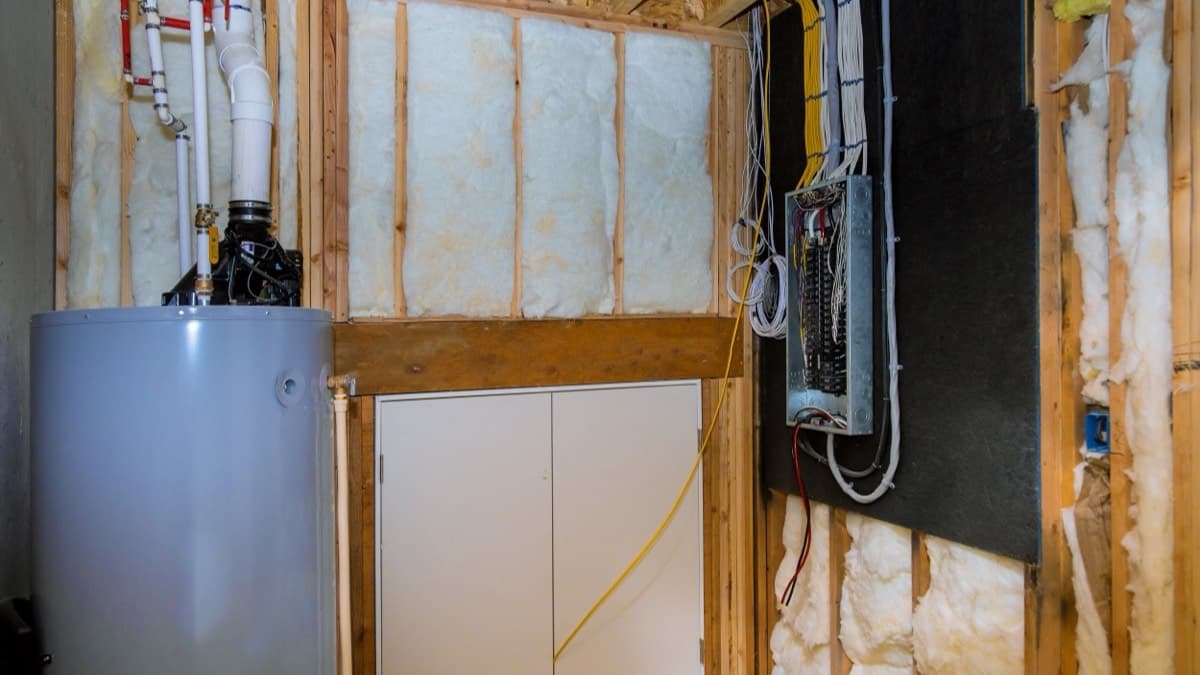
Replacements come every several years, and they are the large bills. A tank water heater lasts about 10 years, so its replacement goes in the budget from then. Smoke alarms are replaced 10 years from their manufacture date. For the roof, the furnace and the rest, use the age from your records and a quote for the replacement.
How the estimate works
For each yearly job, add up what it costs in a year. For each replacement, divide its quoted price by the years left before you expect to replace it. That gives a yearly amount to set aside. Add the two totals and divide by 12 for a monthly line in your budget.
If you don't know when something was installed, look for the date on the unit's label, or in the inspection report from when you bought the house. A water heater's manufacture date is sometimes printed on the same label as its serial number.
A replacement made in a hurry after a failure can cost more than one planned ahead, and it often leaves fewer models to choose from.
An annotated example
What to do next
List the equipment in your house with its install year. Add a quote for each replacement and the price of each yearly job, then work out the monthly line.
Start a home upkeep budget line
- List the house's equipment with install years
- Get prices for the yearly upkeep jobs
- Review the home upkeep budget
Keep the upkeep money apart from an emergency fund. An emergency fund is for unplanned expenses, and a water heater past 10 years is a planned one.
FAQ
What are the signs a water heater is wearing out?
Corrosion on the tank or its water lines, leaks at the joints or seams, rusty hot water, less hot water than before, and new noises.
What if I don't know when something was installed?
Check the label or the serial number, or the inspection report from the purchase.
Sources
Checked October 19, 2026
- ENERGY STAR. When should you replace your water heater? (2024)
- U.S. Fire Administration. Smoke alarms (2026)
- ENERGY STAR. Maintenance checklist (2026)
- Consumer Financial Protection Bureau. An essential guide to building an emergency fund (2025)
- HVAC
- Owner
- Water heater
- Budget