101
Personal budgeting basics
Build a week-by-week budget from a month of real spending, with a line for the bills that come once or twice a year.
Satisfy+ Editorial · Published September 4, 2026 · 2 min read
This is general education, not individual financial, investment or tax advice.

At a glance
- First step
- Track a month of income and spending
- The method
- A weekly cash flow budget
- The gap most budgets miss
- Costs that come once or twice a year
A cash flow budget tracks when money comes in and when it goes out, so you have enough from week to week. A month can balance on paper and still have a short week, when rent is due early in the month and pay arrives later.
Track a month first
Track your income, resources and expenses for at least one month before you build the budget. Your bank and card statements show most of the spending. Keep a note on your phone for cash. At the end of the month the budget starts from real numbers.
Build it week by week
- Start with your beginning balance: the cash on hand, prepaid cards, and checking and savings accounts.
- Add the income and benefits you receive that week.
- Subtract that week's expenses, including everyday spending, bills and what you put into savings.
- What's left is the ending balance. A positive balance means you make it through the week, and a negative one means you're falling short.
- Carry the ending balance to the next week's beginning.
The costs that don't come monthly
Car registration, insurance paid once a year, the furnace check-up and new tires come once or twice a year. A budget built only on monthly bills has no room for them. List each one with the month it is due, and divide its cost by the months left until then. That amount goes into the budget each month as its own line. A house has the biggest set of these, and How to estimate your home's upkeep costs works through them.
An emergency fund
An emergency fund is cash set aside for unplanned expenses. The right amount depends on your situation. To set a goal, think about the unexpected costs you've had most often and what they cost.
Saving is easier when money goes in on a schedule. Recurring transfers from checking to savings do that, and some employers let you split a paycheck between the two accounts. A tax refund is one of the largest checks many people get all year, and putting part of it in the fund is an easy start.
Cash kept at home can be stolen, lost or destroyed.
When a week comes up short
Look at the weeks where expenses run ahead of income. See which bills could move to a better week and which spending could wait.
Documents to keep
- Bank and card statements for the months you track
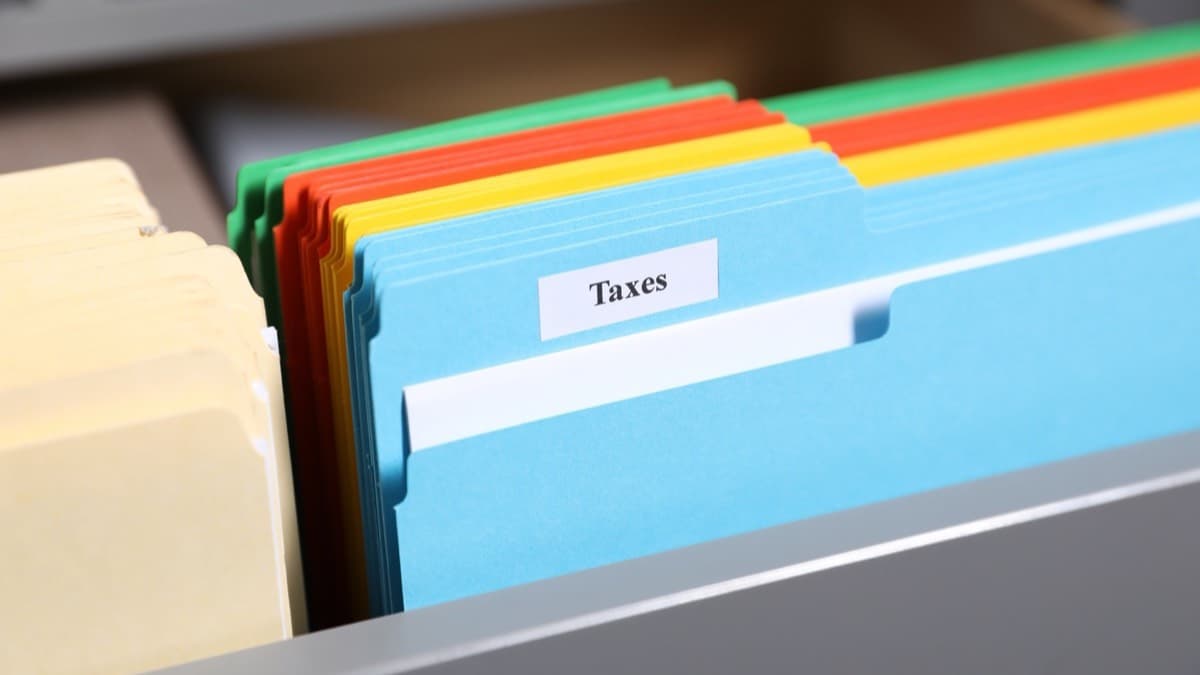
- Tax records. Which papers to keep, and for how long has how long to keep each kind.
- Bills that come once a year, so next year's budget starts from real amounts
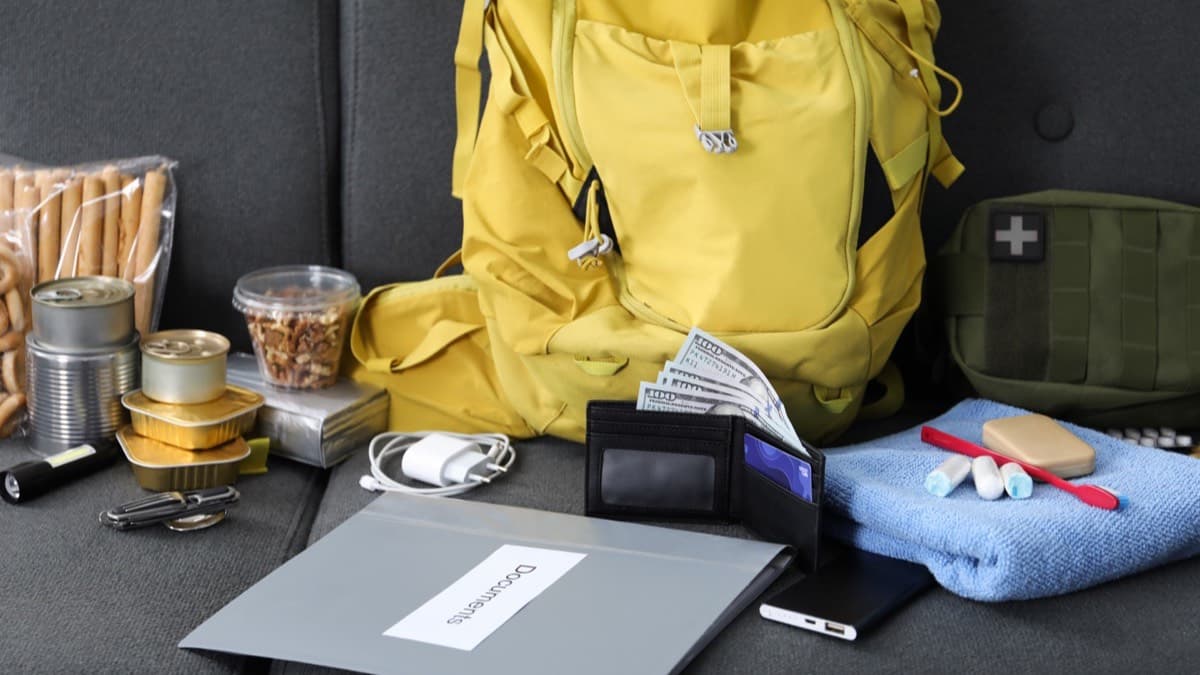
- A copy of each month's budget, so you can compare months. Keep copies of the key money papers with your grab-and-go documents.
Start a monthly budget review
- Write down a month of income and spending
- Review the budget
FAQ
How much should I keep in an emergency fund?
It depends on your situation. Base the goal on the unexpected costs you've had most often.
Should the budget be weekly or monthly?
A weekly budget shows when pay and bills fall in the same week. A monthly total can hide a short week.
What counts as an emergency?
Decide that for yourself before you need the money. Not every unexpected expense is an emergency, and using savings instead of credit avoids interest and fees.
Sources
Checked October 19, 2026
- Consumer Financial Protection Bureau. Creating a cash flow budget (2021)
- Consumer Financial Protection Bureau. An essential guide to building an emergency fund (2025)
- Internal Revenue Service. How long should I keep records? (2026)
- Beginner
- Budget