Explainer
Fake emergency calls from a family member in trouble
Learn how a fake family emergency call works, the pressure that comes with it, and how to check before you send any money.
Satisfy+ Editorial · Published May 13, 2026 · 2 min read
This is general education, not individual financial, investment or tax advice.

At a glance
- The caller
- A family member, a friend, or someone acting for them
- The story
- They're in trouble and need money now
- The pressure
- It's urgent, and you mustn't tell anyone
- The check
- Call the person back on a number you know
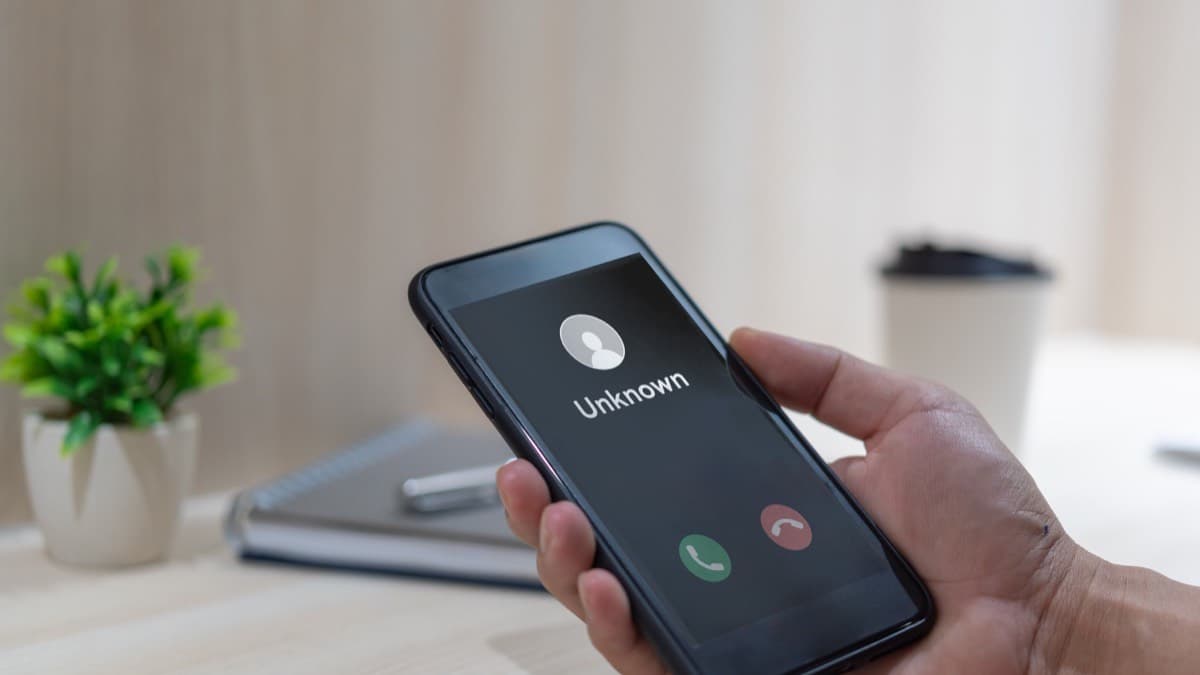
The phone rings, and it's a grandson, a niece or a close friend who needs money to get out of trouble. The voice may even sound right. Scammers pretend to be someone you love and count on you to pay before you check whether the emergency is real.
Who's on the line
The caller might claim to be the family member or friend. Or the caller might pose as someone working with them, such as a police officer or a doctor.
Scammers can also use AI to clone a loved one's voice from a short audio clip. So a familiar voice doesn't prove who's calling.
The pressure
- Urgency. The caller says there's no time and you're the only one who can help.
- Secrecy. The caller asks you not to tell other family members or friends.
- Emotion. The story is built to make you act quickly and pay without checking.
How they ask to be paid
The caller asks you to wire money through a money transfer company, send cryptocurrency, use a payment app, or buy a gift card and read out the numbers on the back.
How to check
Resist the pressure to send money right away. Hang up, or tell the caller you'll call back. If you feel uneasy hanging up, ask a question only the real person would know the answer to.
Then contact the family member or friend on a phone number you know is theirs, and ask whether they're really in trouble. Call another relative or friend as well, even though the caller told you to keep it secret.
An annotated example
What to do next
Save a number you know is right for each close family member, so you can call them back without using the number that called you. Talk through these calls with older relatives, and agree that anyone who gets one will hang up and check first.
Get the family ready for a fake emergency call
- Save a known number for each close family member
- Talk through fake emergency calls with older relatives
FAQ
The voice sounded just like my grandson. Could it still be a scam?
Yes. Scammers can clone a voice from a short audio clip. Hang up and call him on a number you know.
The caller told me to keep it secret. Should I?
No. Call another family member or friend before you send anything.
Sources
Checked October 19, 2026
- Federal Trade Commission. Scammers use fake emergencies to steal your money (2023)
- Scam