Explainer
Prize, sweepstakes and lottery scams
Learn what a fake prize notice says, the requests that give it away, and how a real sweepstakes differs.
Satisfy+ Editorial · Published August 27, 2026 · 2 min read
This is general education, not individual financial, investment or tax advice.

At a glance
- How it arrives
- A call, letter, email, text or social media message
- The hook
- You've won a car, a gadget, a gift card or a lottery
- The catch
- A fee to collect, or your bank details
- A real prize
- Free to collect, with no payment required
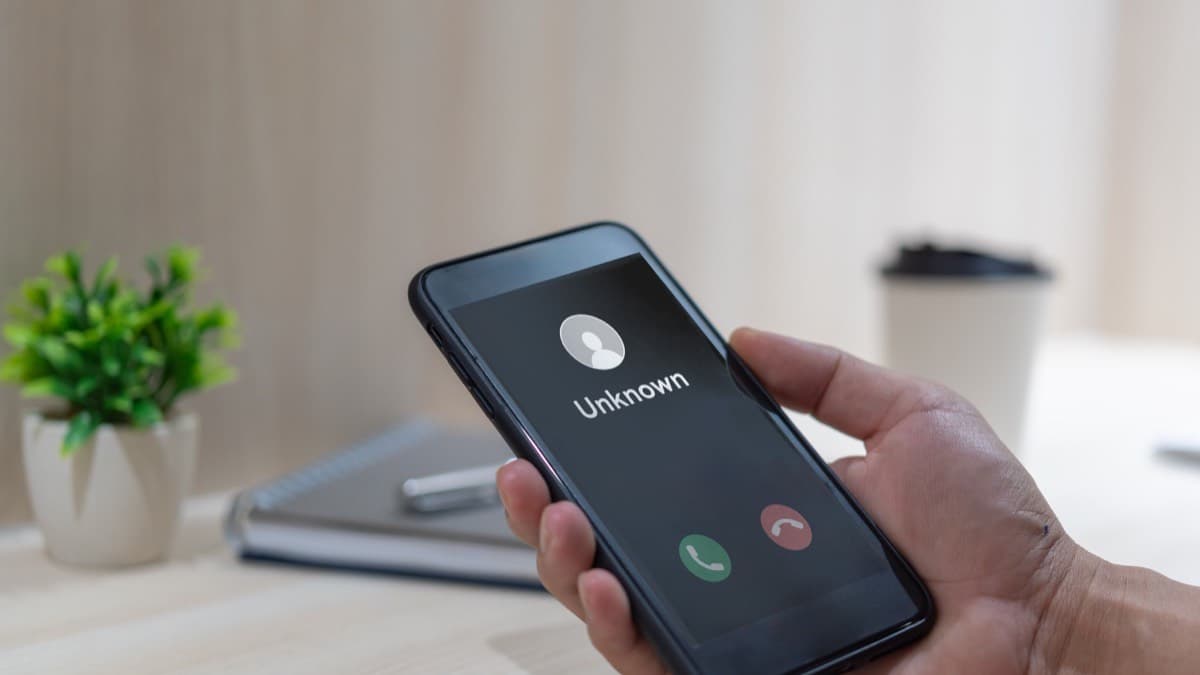
A message says you've won. It might be a new car from a local dealership, an iPad, a gift card or a store discount code. To collect it, you're told to pay a fee or hand over your bank details first. Real prizes are free to collect, so a request for money or account numbers marks a scam.
How it arrives
Scammers send these notices by phone, email, letter, text and social media. A mailed notice may come bulk rate, which means many other people got the same one. The postmark shows how it was sent.
What the scammer says
- You've won. The prize might come from a lottery the scammer says is supervised by the government, or from an official-sounding body that doesn't exist, such as a "National Sweepstakes Bureau."
- We're from a real agency. Some claim to be from a real company or a government agency.
- It's a foreign lottery. You've won one, or you can buy tickets for one.
- Act now. The offer is for a limited time, so you'll pay before you think it through.
The signs
- A fee to collect. Real prizes are free. A charge for taxes, shipping, processing or customs is a red flag.
- A way to improve your odds. A real sweepstakes picks winners by chance, and paying doesn't change that.
- A request for your numbers. Never give a bank account, credit card or Social Security number to claim a prize.
- A government caller who wants money. The government won't call you demanding money to release a prize.
- A foreign lottery. An offer to play one is almost certainly a scam.
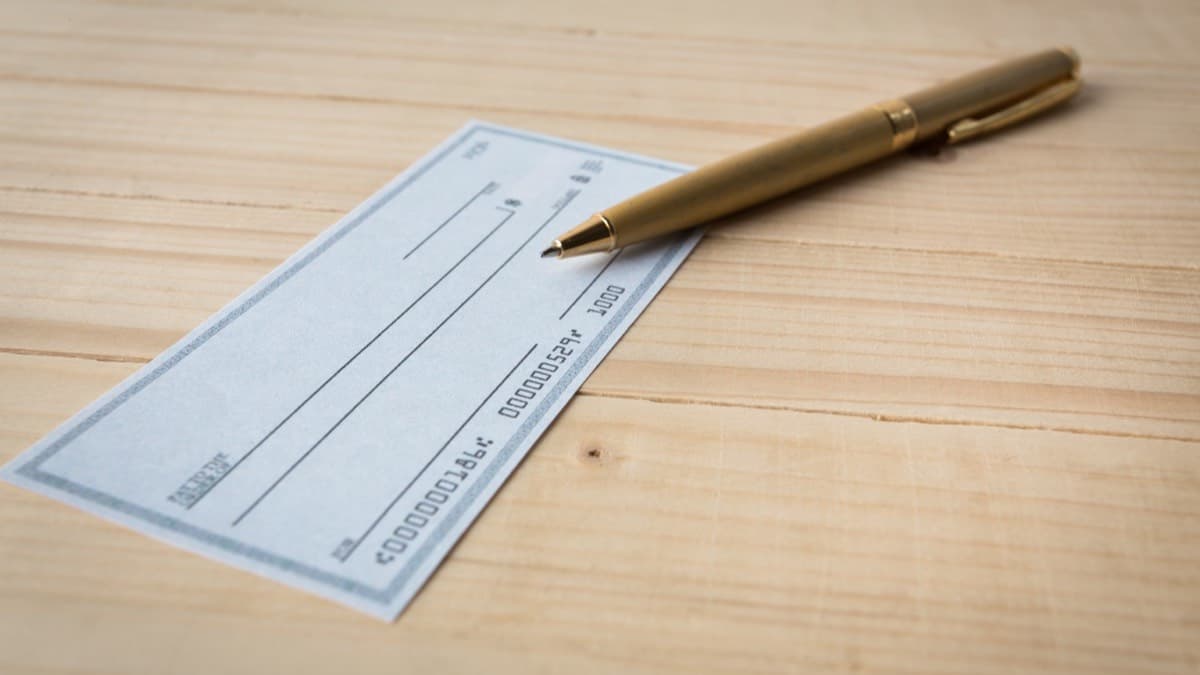
- A check in the mail. Some send a check and ask you to send part of the money back. When the check turns out to be fake, you repay the bank.
How they want to be paid
Scammers ask for a wire transfer, a payment app, cash, gift cards or cryptocurrency. Money sent these ways is hard to trace and hard to get back.
An annotated example
What to do next
Delete a prize message without clicking its links. Don't pay anything or give any account number to collect a prize. Before you trust the company behind an offer, search its name with the words "review," "complaint" or "scam," and look up its contact details yourself. Then tell friends and family about the scam.
Keep fake prize offers from costing the household
- Talk through fake prize warning signs at home
- Check the postmark on any mailed prize notice
FAQ
Do I have to pay taxes up front to collect a prize?
A fee for taxes, shipping, processing or customs before you collect is a red flag. Real prizes are free.
Can I play a foreign lottery from the U.S.?
An offer to play one is almost certainly a scam.
Sources
Checked October 19, 2026
- Federal Trade Commission. Fake prize, sweepstakes, and lottery scams (2025)
- Scam