Guide
Clearing out a garage, a basement or a whole house
Sort a clear-out into four piles, then get rid of the chemicals, lithium-ion batteries and electronics that can't go in the trash.
Satisfy+ Editorial · Published October 15, 2026 · 2 min read
At a glance
- Four piles
- Keep, donate or sell, recycle, toss
- Not in the trash
- Paint, cleaners, oil, pesticides, batteries
- Lithium-ion
- Separate collection, terminals taped
- Electronics
- Personal data deleted first
A clear-out turns up things that can't go out with the regular trash. Leftover paints, cleaners, oils, batteries and pesticides can contain hazardous ingredients that need special care when you get rid of them.
The four piles
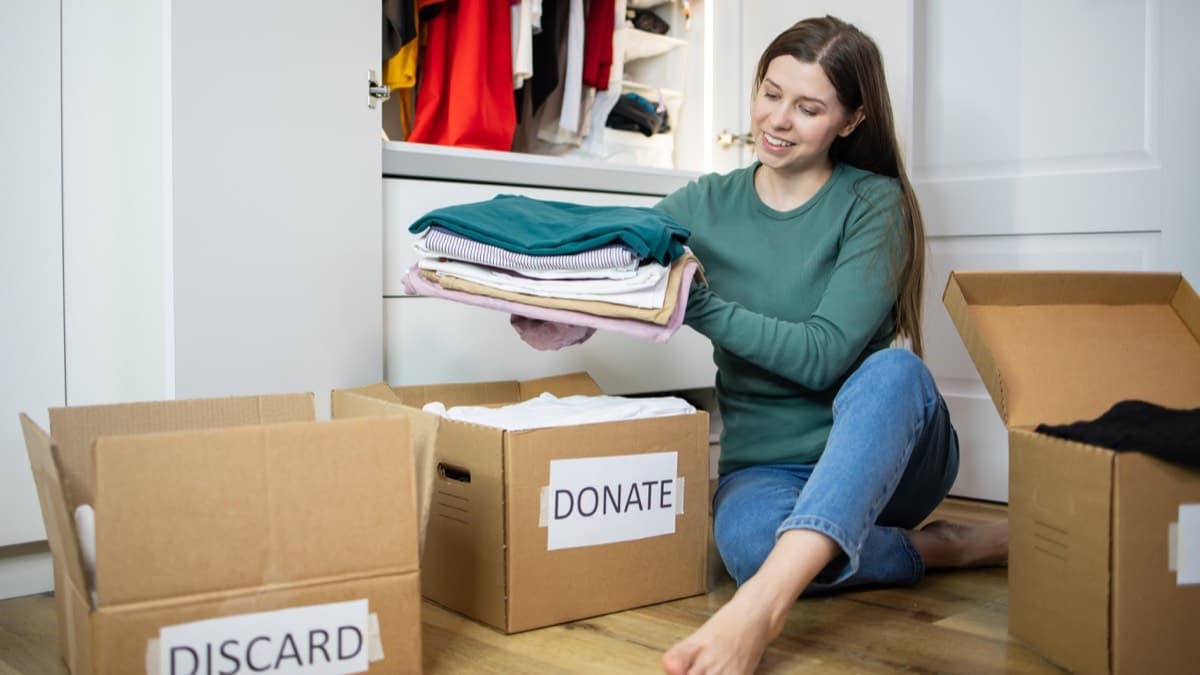
Set up four piles before you start: keep, donate or sell, recycle and toss.
Household chemicals
Leftover products that can catch fire, react, explode, or are corrosive or toxic are household hazardous waste. Pouring them down the drain, on the ground or into storm sewers is improper disposal, and so, in some cases, is putting them out with the trash.
- Keep them in their original containers. Never store hazardous products in food containers, and never remove the labels.
- Never mix leftovers. Incompatible products can react, ignite or explode.
- Read the label for disposal directions. Following them reduces the risk of a product leaking or reacting on the way to a disposal site.
- Corroding containers. Call your local hazardous materials official or fire department for instructions.
- Find a collection. Many communities have household hazardous waste collection, at a permanent site or on set days, and your local solid waste agency can tell you where. Some local garages take used motor oil for recycling.
Lithium-ion batteries
Lithium-ion batteries, and devices that contain them, should not go in household trash or recycling bins. Take them to separate battery recycling or household hazardous waste collection points. To prevent fires, tape the terminals or put each battery in its own plastic bag.
Electronics
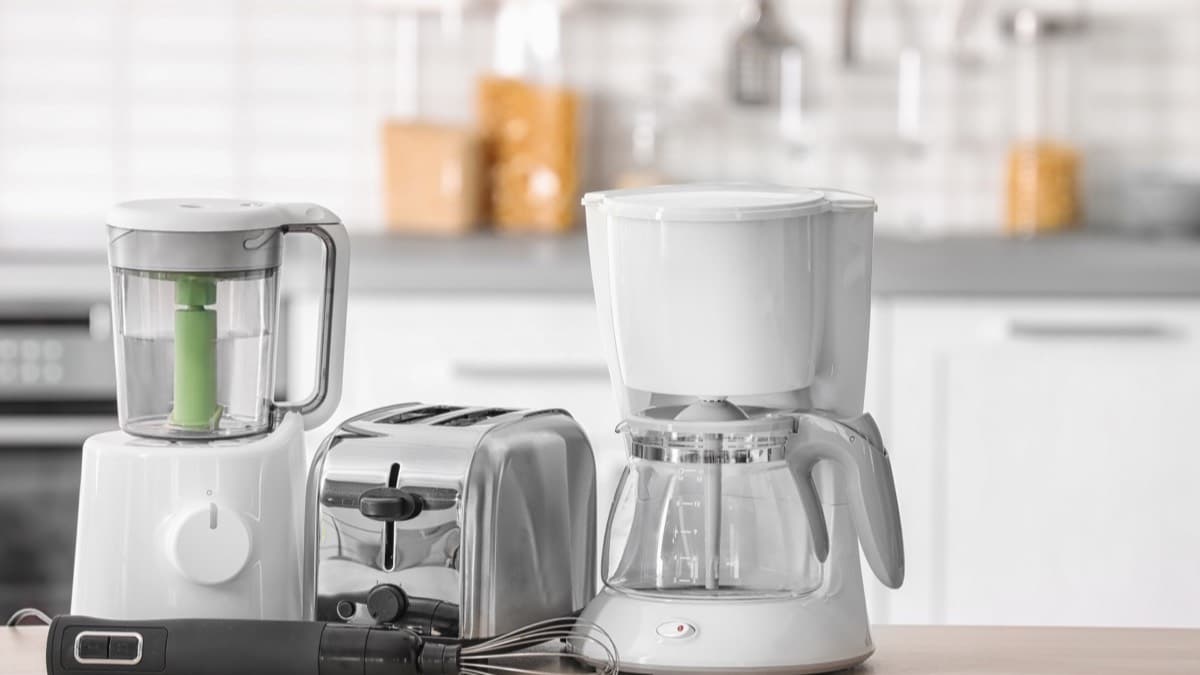
Before donating or recycling electronics, delete all personal information from them. Remove the batteries, which may need to be recycled separately. Many manufacturers and retailers offer donation and recycling.
An annotated example
What to do next
Look up your area's household hazardous waste collection before the clear-out, so the chemicals have somewhere to go. Bag or tape any loose lithium-ion batteries as you find them, and wipe old phones and computers before they leave the house.
Clear out a space
- Look up your area's household hazardous waste collection
- Put each loose lithium-ion battery in its own bag
- Make sure old phones and computers are wiped of data
FAQ
Can I throw old paint and cleaners in the trash?
Some household hazardous waste shouldn't go out with the regular trash, and many communities have collections for it.
How do I get rid of lithium-ion batteries?
Take them to battery recycling or household hazardous waste collection, with the terminals taped or each battery in its own bag.
Sources
Checked October 19, 2026
- U.S. Environmental Protection Agency. Household hazardous waste (2026)
- U.S. Environmental Protection Agency. Used lithium-ion batteries (2026)
- U.S. Environmental Protection Agency. Electronics donation and recycling (2025)
- Moving