Checklist
Getting the house ready for a tenant
Get a house ready for a tenant by checking the alarms, the ways out, the extinguisher and the paint, then recording the house's condition on the first day.
Satisfy+ Editorial · Published September 16, 2026 · 2 min read
At a glance
- Smoke alarms
- Every bedroom, outside each sleeping area, every level
- CO alarms
- Every level and outside sleeping areas
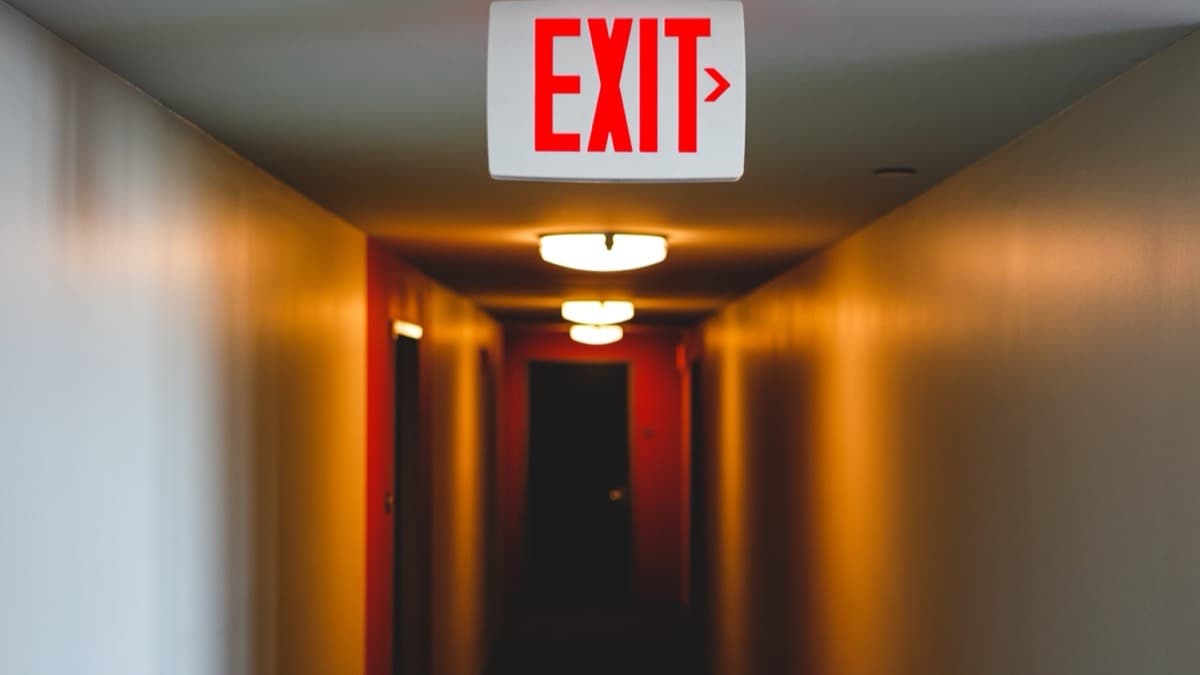
- Ways out
- Two from each room, windows that open
- Built before 1978
- Look for peeling or chipping paint
Before the first tenant moves in, check the alarms, the ways out, the extinguisher and the paint. Then record the condition of the house on the first day. For the insurance, mortgage and HOA calls, see Check the mortgage, HOA and insurance before you rent. For the jobs that come round each season and between tenants, see the Landlord maintenance calendar for a rented house.
The alarms
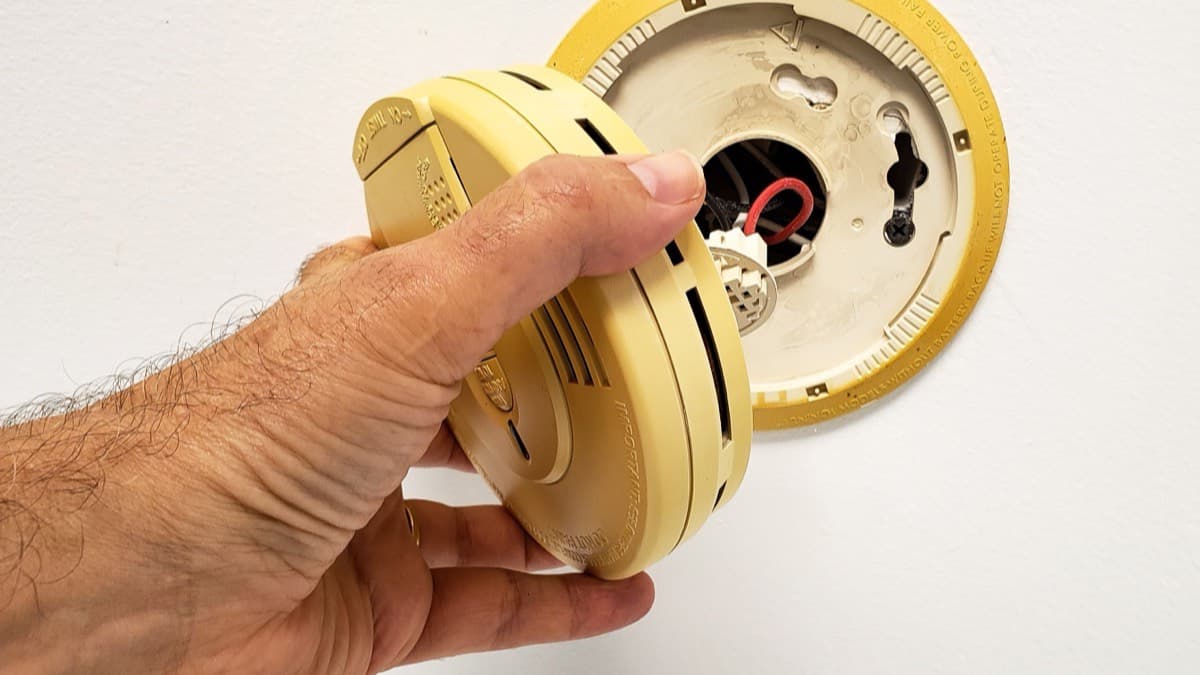
- A smoke alarm in every bedroomPut one in every bedroom, outside each separate sleeping area and on every level, basement included.
- The date on each smoke alarmA smoke alarm needs replacing 10 years from the manufacture date.
- A test of each smoke alarmTest each alarm, and replace any 9-volt battery that's been in for a year.
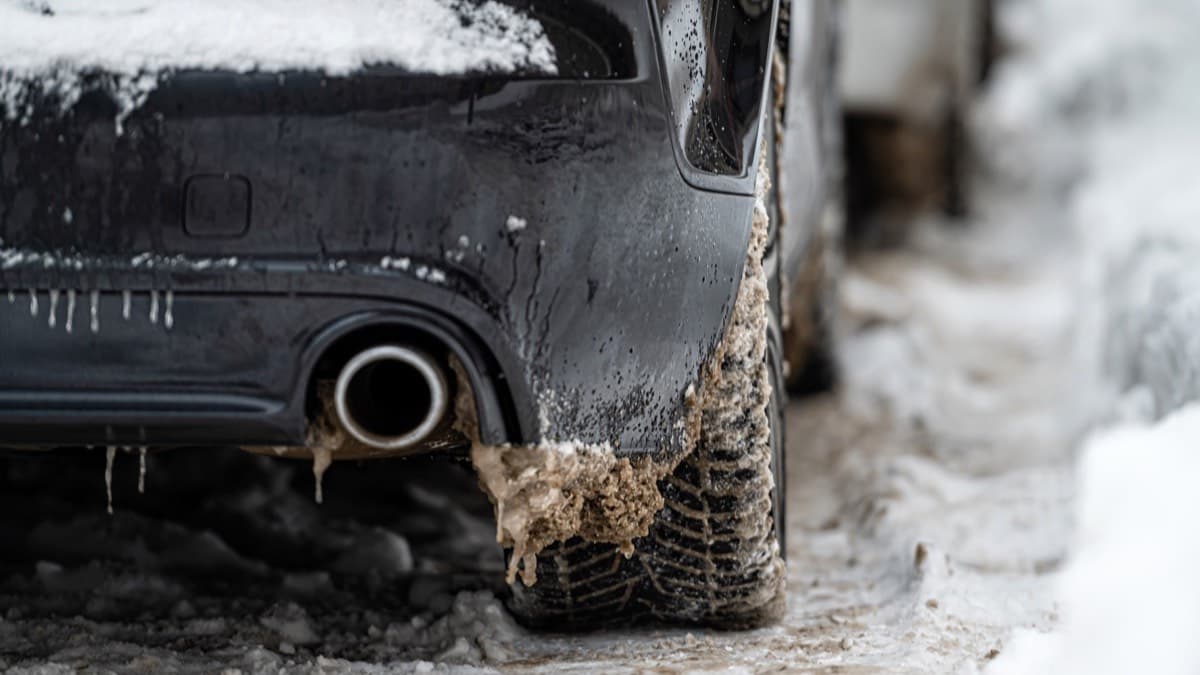
- A carbon monoxide alarm on every levelPut a battery-operated CO alarm, or one with battery backup, on every level of the home and outside the sleeping areas. Carbon monoxide is a gas you can't see or smell, and a furnace, a water heater or another fuel-burning appliance can produce it.
- Alarms that sound togetherWith interconnected alarms, when one sounds, they all sound. Book an electrician to wire or interconnect hardwired alarms.
The ways out
- Two ways out of each roomThe second way out is for when fire or smoke blocks the main one.
- Windows that openMake sure no window is stuck and each screen comes out quickly.
- Security bars that openCheck that any security bars on the windows can be opened properly, so the window still works as a way out.
The extinguisher
- A multipurpose extinguisherOne labeled "B-C" or "A-B-C" can be used on most types of home fires. It's meant for a small fire contained in one object, such as a pan or a wastebasket. Look for a UL Listed label.
- Nothing in the wayKeep the path to it clear, with nothing blocking or limiting the reach to it.
- The gauge and the partsMany extinguishers have a gauge that shows when the pressure is too high or too low. Check that the can, the hose and the nozzle aren't damaged, dented or rusted.
The paint and the record
- A house built before 1978Lead-based paint in good condition is usually not a hazard, but peeling, chipping or cracking lead paint needs prompt attention.
- Photos of every roomPhotograph each room on the first day, including the walls, floors, appliances and fixtures, so the record shows the house's condition at the start of the tenancy.
Get the house ready for a tenant
- Check for a smoke alarm in every bedroom and on every level
- Check for a carbon monoxide alarm on every level
- Check the date on the back of each smoke alarm
- Check that every window opens and every screen comes out
- Check the extinguisher's gauge and that nothing blocks it
- Take photos of every room before move-in day
Test the alarms
- Test every smoke alarm
Sources
Checked October 19, 2026
- U.S. Fire Administration. Smoke alarms (2026)
- U.S. Consumer Product Safety Commission. Carbon Monoxide Information Center (2026)
- Ready.gov (FEMA). Home fires (2026)
- U.S. Fire Administration. Fire extinguishers (2026)
- U.S. Environmental Protection Agency. Real estate disclosures about potential lead hazards (2026)
- Landlord
- Carbon monoxide
- Lead
- Fire