Checklist
Car sounds and handling changes worth a mechanic's look
Learn what squeals, clunks, pulling, vibration and slow shifting can point to, so you can describe them clearly when you book the car in.
Satisfy+ Editorial · Updated September 30, 2026 · 2 min read

Squeaks, rattles, rumbles, a rough ride and slow performance are often the first clues to a problem or a maintenance need. Knowing what each one can point to helps you tell the shop exactly what you noticed.
Sounds
- Listen for a squealIt's often a loose or worn belt for the power steering, the fan or the air conditioning.
- Listen for a clickIt can be a stuck valve lifter or low engine oil.
- Listen for a screechIt's usually the brake wear indicators, telling you it's time for brake service.
- Listen for a rumbleIt can be a bad exhaust pipe, converter or muffler, or a worn universal joint or other drive-line part.
- Listen for a pingIt's usually fuel with a lower octane rating than the car calls for. If it keeps up on the right fuel, the ignition timing may be off.
- Listen for a heavy knockIt can be worn crankshaft or connecting rod bearings, or a loose transmission torque converter.
- Listen for a clunkIt can be a loose shock absorber or another loose suspension part.
How it drives
- Notice whether the car wandersMisaligned front wheels or worn steering parts can cause it.
- Notice whether it pulls to one sideSomething as routine as an underinflated tire can cause it.
- Push down hard on one corner and let goA car that bounces twice or more has weak shock absorbers.
- Notice any vibrationA tire that isn't balanced, or was balanced badly, makes the car vibrate.
- Look for one corner sitting lower than the othersSprings seldom wear out, and a low corner is the sign that one has.
Get a new car symptom looked at
- Note when the sound or feel happens, and at what speed
- Book the car in for a diagnosis
Brakes
- Watch for the car pulling to one side when you brake
- Watch for a pedal that sinks toward the floor under steady pressure
- Listen for scraping or grinding when you brake
- Check whether the brake warning light is on
Engine and transmission
Get the engine diagnosed when it:
- Is hard to start
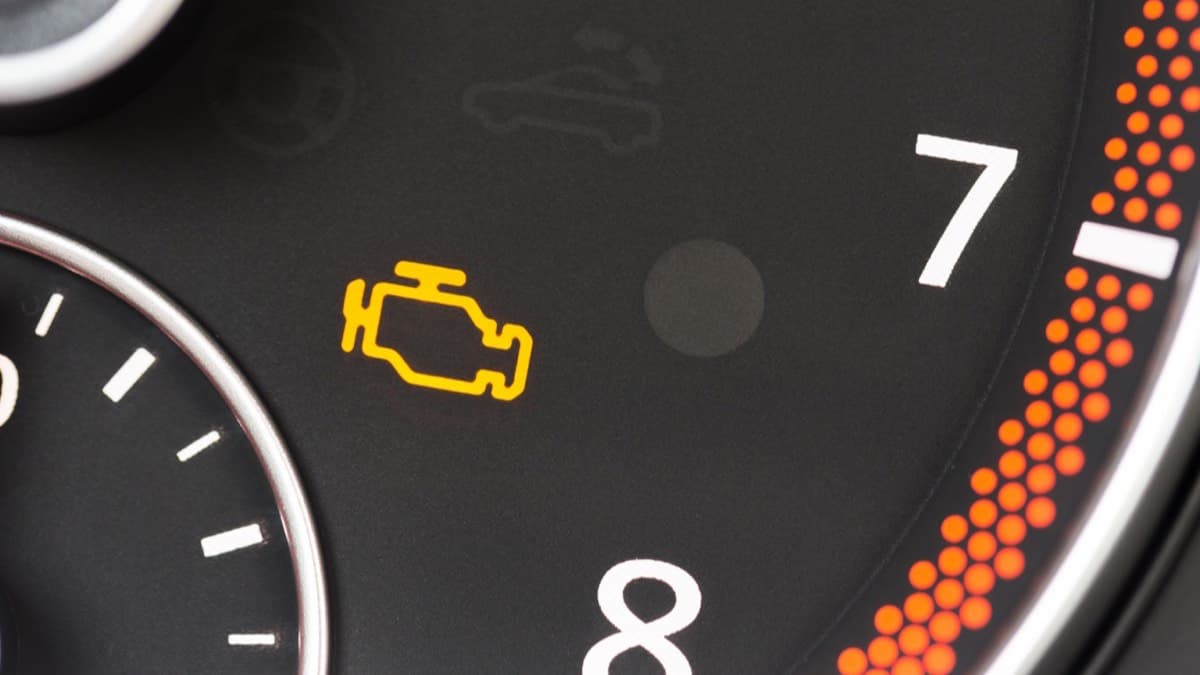
- Has the check engine light on
- Idles rough or stalls
- Is slow to accelerate
- Gets worse fuel economy
- Uses more than a quart of oil between changes
- Keeps running after you turn the key off
Transmission repairs are usually expensive, and the cause can be as simple as a disconnected hose or a plugged filter, so ask the technician to check those first. The transmission signs are:
- Hard or abrupt shifts
- A delay when you shift from neutral to drive or reverse
- No shift during normal acceleration
- Slipping, when the engine speeds up but the car doesn't respond
Simple causes first
Loose or corroded connections can look like a failed alternator, battery or starter, so ask the technician to check the connections and test the part before replacing it. Many problems start with skipped maintenance, which can cause breakdowns, poor fuel economy and lost warranty coverage. Follow the schedule in the owner's manual for the way you drive, and if a shop recommends service more often than the manual does, ask why.
FAQ
What does a squealing noise from the engine mean?
It's often a loose or worn belt for the power steering, the fan or the air conditioning.
Why does my car pull to one side?
Something as routine as an underinflated tire can cause it. If it pulls only when you brake, have the brakes checked.
Sources
Checked October 19, 2026
- Federal Trade Commission. Auto repair basics (2012)
- Car