How-to
What to do when the check engine light comes on
Tell a steady check engine light from a flashing one, check the gas cap, note what the car is doing and book a mechanic to read the code.
Satisfy+ Editorial · Published October 7, 2026 · 3 min read · 10 min to do
At a glance
- Steady light
- Book a mechanic soon
- Flashing light
- Drive as little as possible and get service quickly
- Check first
- The gas cap
- Don't
- Clear the code or disconnect the battery to hide it
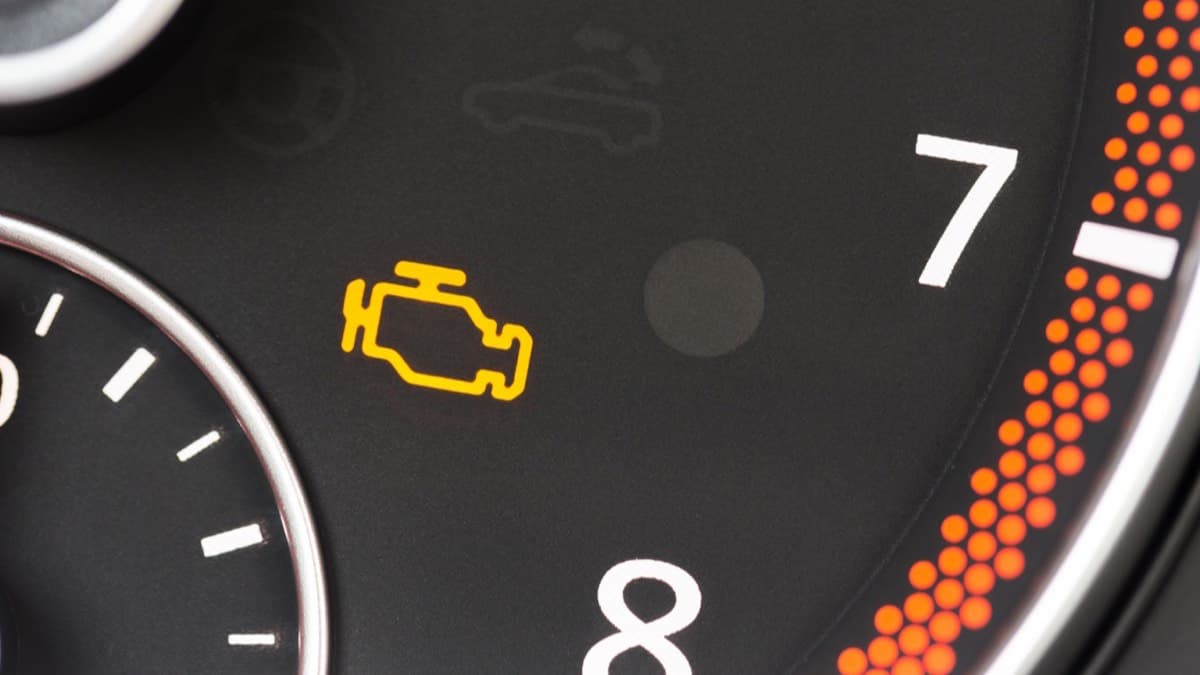
The check engine light comes from the car's on-board diagnostics computer, which watches the engine and the emissions system. When it finds a problem, it stores a trouble code and turns on the light. The cause can be as minor as a loose gas cap or as serious as an engine misfire, and the first few minutes are for working out how urgent it is.
What you need
- A safe place to pull over
- A notes app or a pen
- The owner's manual, which shows the light and what it means for your car
Steps
- 1
Notice whether the light is steady or flashing
A flashing light means a severe problem, such as a misfire, that needs attention quickly. A steady light means the car may not be running properly, even if it feels normal to drive.
1 min
- 2
If it's flashing, ease off
Keep driving to a minimum until a shop has looked at the car, and avoid high speeds and heavy loads such as towing.
2 min
- 3
Check the gas cap
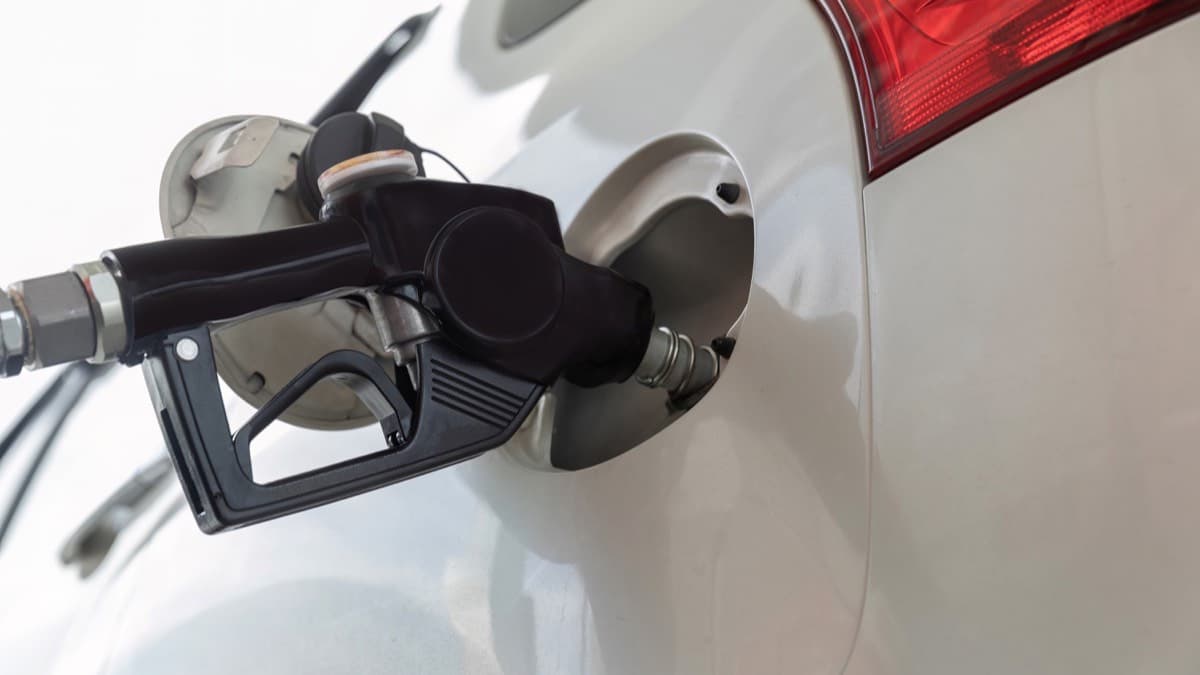
Once you've stopped, check that the gas cap is there and tight. A loose or missing cap is a common cause. Refueling with the engine running can also turn the light on.
2 min
- 4
Write down what the car is doing
Note any new noise, smell, shaking, loss of power or other warning light, and when the check engine light came on. These details help the mechanic along with the code.
3 min
- 5
Book a mechanic
Have a mechanic look at the car even if the light is steady. The problem behind it can waste fuel, add pollution and lead to costlier repairs the longer it waits. The mechanic reads the code with a scan tool, makes the repair and scans the car again to confirm it.
2 min
- 6
Check the light after the repair
Start the car once the work is done. The light should come on briefly at start-up, then stay off.
1 min
Deal with the check engine light
- Check the gas cap is tight
- Book a mechanic to read the check engine code
When the light goes off on its own
If the problem doesn't come back over the next few trips, the computer turns the light off. That doesn't mean the system is faulty, and the car needs nothing more unless the light comes back.
Don't hide the light
Don't clear the codes with a scanner or disconnect the battery to make the light go away. It doesn't fix the problem. On cars from the 2012 model year on, the computer also keeps a permanent record of the fault that neither a scanner nor a disconnected battery can erase. That record clears only after the computer checks again and finds the fault gone.
Steady lights and emissions tests
If your car has an emissions test coming up, get the repair done first. Clearing the codes after a repair restarts the computer's self-checks, so drive a gasoline car for about a week before the test. Getting ready for an emissions test covers the rest.
FAQ
Is it safe to keep driving with the check engine light on?
If it's flashing, drive as little as possible, avoid high speeds and heavy loads, and get service quickly. If it's steady, book a mechanic soon.
Can a loose gas cap turn on the check engine light?
Yes. It's a common cause, so check it first.
Will the check engine light turn off by itself?
Yes, if the problem doesn't come back over the next few trips.
Sources
Checked October 19, 2026
- U.S. Environmental Protection Agency. What to do with the check engine light (EPA420-F-00-041) (2000)
- U.S. Environmental Protection Agency. Best practices for addressing OBD readiness in IM testing of diesel vehicles under 14,000 pounds GVWR (2013)
- U.S. Department of Energy, fueleconomy.gov. Gas mileage tips, keeping your vehicle in shape (2026)
- Car
- Truck
- Hire
- SUV
- Beginner